

Loading
Journal of Clinical and Experimental Hematology
ISSN: 2834-3328
Volume 4, Issue 1, p1-30
Articles published in this issue are Open Access and licensed under Creative Commons Attribution License (CC BY NC) where the readers can reuse, download, distribute the article in whole or part by mentioning proper credits to the authors.
A commentary on patient and caregiver perceptions of home blood transfusions in the United States
Patients with transfusion dependent cytopenias from their hematologic malignancies experience a high burden of care. They often visit the cancer center 2-3 times a week for Complete blood count (CBC) checks and possible transfusions – spending hours of their day traveling for and receiving care. Home blood transfusions, while available in other countries, have not been well established in the United States (US).
J Clin Exp Hematol, 2025, Volume 4, Issue 1, p1-4 | DOI: 10.46439/hematol.4.024
A commentary on ‘Association between the weight-adjusted-waist index and familial hypercholesterolemia: A cross-sectional study’
Familial hypercholesterolemia (FH) is a common inherited metabolic disorder characterized by abnormally high blood levels of low-density lipoprotein cholesterol (LDL-C). Depending on the mode of inheritance, FH is mainly divided into two subtypes: heterozygous FH (HeFH) and heterozygous FH (HoFH).
J Clin Exp Hematol, 2025, Volume 4, Issue 1, p5-6 | DOI: 10.46439/hematol.4.025
New indications for nailfold videocapillaroscopy in the assessment and diagnosis of rheumatic diseases
Periungual capillaroscopy is a technique that allows the study of the microcirculation of the periungual beds in a non-invasive and simple way, allowing the papillary dermis to be visualized in vivo. It is one of the fundamental diagnostic tests in clinical practice and teaching in rheumatology today.The basic patterns in capillaroscopy are determined by the structure and architecture of the nail bed, capillary density, the presence of avascular areas, capillary morphology and vascular flow.
J Clin Exp Hematol, 2025, Volume 4, Issue 1, p7-10 | DOI: 10.46439/hematol.4.028
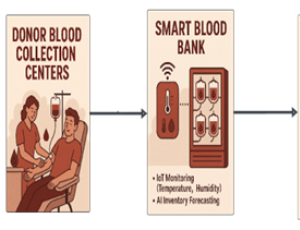
Reimagining blood delivery: Extending IoTdrone frameworks to hematology logistics
The healthcare landscape worldwide is experiencing a significant shift, with the infusion of emerging technologies in the fundamental logistics operations. One of these innovations concerns integrating the Internet of Things (IoT) and unmanned aerial vehicles (UAVs), also referred to as drones, as a potential solution in filling unending gaps in the supply chain of medical supplies.
J Clin Exp Hematol, 2025, Volume 4, Issue 1, p11-16 | DOI: 10.46439/hematol.4.029
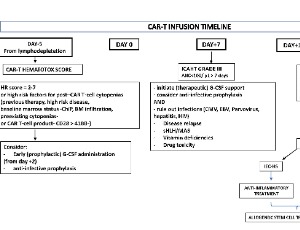
Non-canonical CAR-T cell-related toxicities: Emerging strategies and challenges
CAR-T cell therapy revolutionized the treatment of patients with relapsed or refractory B-cell hematologic malignancies, substantially altering their prognosis. Alongside its remarkable efficacy, however, this approach is frequently accompanied by treatment-related toxicities.
J Clin Exp Hematol, 2025, Volume 4, Issue 1, p17-21 | DOI: 10.46439/hematol.4.030
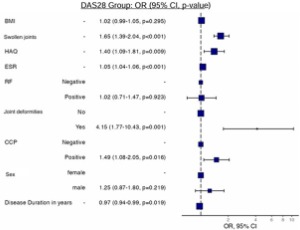
Correlation of hemoglobin level and disease activity in rheumatoid arthritis, results from the kuwait registry for rheumatic diseases (KRRD)
Objectives: Anemia is a frequent extra-articular manifestation of rheumatoid arthritis (RA) and has been linked to increased disease activity and poorer outcomes. This study aimed to evaluate the association between hemoglobin (Hb) levels and RA disease activity in a Middle Eastern population.
J Clin Exp Hematol, 2025, Volume 4, Issue 1, p22-27 | DOI: 10.46439/hematol.4.031
Triclosan-induced hematological perturbations in freshwater Teleosts: Implications for ecotoxicological risk and biomarker development
Significant dose and time-dependent changes in important blood parameters, such as hemoglobin concentration, hematocrit value, erythrocyte count, and leukocyte profile, have been found in recent studies on the hematological consequences of triclosan (TCS) exposure in Oreochromis niloticus.
J Clin Exp Hematol, 2025, Volume 4, Issue 1, p28-30 | DOI: 10.46439/hematol.4.032

Detection of some synthetic cannabinoids (FUB-AMB and AB-FUBINACA) in blood and urine using Gas Chromatography-mass spectrometry liquid–liquid extraction
In recent years, various types of synthetic cannabinoids have become widely distributed and are causing social and health problems in most parts of the world. Synthetic cannabinoids are currently the largest group of new psychoactive substances. Those that have been subjected to legal control are replaced by newer controlled and uncontrolled substances.
Healthcare professionals’ awareness and knowledge of COVID-19 and radiation safety
Background: lack of knowledge and awareness of COVID-19 and radiation safety among healthcare professionals will adversely affect their health and the patients’ safety due to unnecessary radiation exposure and rapid spread of COVID-19. The purpose of this study is to evaluate the knowledge and the awareness of both domains; COVID-19 and radiation awareness in one survey study.
Is blood type “O” associated with a higher risk of post-partum hemorrhage and hemostasis disorders? A retrospective study
Background: Maternal hemorrhage represents the most prevalent complication and primary cause of mortality during childbirth. Extensive studies have elucidated noteworthy correlations between ABO blood type and cardiovascular disease risk in both genders. Notably, individuals with blood type O exhibit a substantial variation in the formation of the platelet plug on vascular lesions, accompanied by a reduction in von Willebrand factor.
Congenital cavitary optic disc anomaly in Wolf-Hirschhorn Syndrome
Wolf-Hirschhorn Syndrome (WHS, OMIM 194190) is a rare congenital malformation syndrome caused by a partial deletion of the short arm (p) of chromosome 4. It is characterized by “Greek warrior helmet” facies, central nervous system disorders including seizures and structural defects, and intrauterine growth restriction, among numerous other systemic anomalies.
Logic model of a case management program in primary care for frequent users of healthcare services
A logic model was developed as part of an evaluation of a case management program (CMP) for frequent users in a health and social services center in the province of Québec (Canada). Five approaches were used as part of a qualitative multiple case study methodology: analysis of unpublished documents, review of literature on CMPs for frequent users, in-depth interviews, focus groups with stakeholders and participant observations.
Recent advancements to characterize human blood via thixo-visco-elasto-plastic modeling
In the previous several years there has been much progress in developing more accurate thixo- lasto- visco-plastic rheological models that can be used to mechanically characterize human blood. In theory as the thixo-elasto-visco-plastic (TEVP) model accuracy and predictive capability improves, the parameterization, as well as insights and parametric correlations will also improve.
Physiotherapy in Mental Health Facing the Covid-19 Pandemic
According to the International Organization of Physical Therapy in Mental Health (IOPTMH), physiotherapy in mental health is a recognized specialty of physical therapy, with a subgroup representing physiotherapists from around the world before the World Confederation of Physical Therapy (WCPT). It is implemented in different settings, in health, psychiatry and psychosomatic medicine.
Primary CNS lymphoma (PCNSL) - Introducing to hippocampal dose-reduction whole brain radiotherapy (HDR-WBRT)
Primary central nervous system lymphoma (PCNSL) is a rare and aggressive extranodal Non Hodgkin Lymphoma. Combined modality treatment with high-dose methotrexate (HD-MTX) followed by whole brain radiotherapy (WBRT) has been a commonly used treatment approach.
Dynamics of the ‘free’ maternal healthcare policy intervention in Ghana; Facility delivery utilization and neonatal mortality indices from a developing country setting
The one conceptual key to improving newborn healthcare outcomes is thought to be bridging the access gap to care, particularly in sub-Saharan Africa. However, recent studies have reported conflicting results relative to establishing a link between outcomes and access to care intervention programs.
Activated phosphoinositide-3-kinase delta syndrome presenting with early onset (infantile) autoimmune thrombocytopenia
Activated phosphoinositide 3-kinase delta syndrome (APDS) is a rare syndrome of immune dysregulation that is inherited in an autosomal dominant fashion and results in varying severity of the clinical phenotype. APDS is a result of a gain-of-function mutation in the gene PIK3CD, which codes for a catalytic subunit of the PI3K-Delta kinase.
Is insufficient knowledge of epilepsy among Physiotherapists the reason for less exercise prescription for epileptic patients?
Participating in physical activity and exercise has significant benefits, including treating, preventing, and reducing risk factors for chronic conditions such as diabetes, hypertension, coronary heart disease, and osteoarthritis. Physical activity can also positively play a role in palliative care among individuals with terminal diseases.
Effect of educational level on Alzheimer's disease-related biomarkers: Commentary
Alzheimer’s disease (AD) is a progressive neurodegenerative disorder characterized by cognitive impairments that might be accompanied by declines in activities of daily living, neuropsychiatric disorders and a loss of motor function [1,2]. At present, the prevalence of dementia of Alzheimer’s type (DAT) is approximately 4% among elderly people [3]. With the increase in the aging the population, the number of individuals with DAT is still increasing.
Wilkie’s syndrome, changing perspectives in image visualization
The superior mesenteric artery syndrome is an uncommon entity included in the spectrum of vascular syndromes. The low presentation, variety of unspecific symptoms, and shortage of bibliography presents a challenging diagnosis for both clinicians and radiologists. Our aim is to present a 63 years-old male patient with pancreatitis history and repeated symptoms.
Duration and magnitude of bidirectional fluctuation in blood pressure: the link between cerebrovascular dysfunction and cognitive impairment following spinal cord injury
Individuals with spinal cord injury (SCI) have a significantly increased risk for cognitive impairment that is associated with cerebrovascular remodeling and endothelial dysfunction. The sub-acute stage following high thoracic SCI is characterized by increased fibrosis and stiffness of cerebral arteries. However, a more prolonged duration after SCI exacerbates cerebrovascular injury by damaging endothelium.
The multi-domain protein Piccolo is a versatile scaffolding protein with pleiotropic functions in the brain
The human brain is a complex network of billions of neurons accompanied by astrocytes and microglia among others [1]. Neurons communicate via specialized sites of cell-cell contacts called synapses, where information is transmitted via the presynaptic release of neurotransmitter from synaptic vesicles (SVs) [2]. Through the integration of information transmitted via large networks of neurons, complex tasks, such as learning, memory and various behaviors, are regulated.
Taking BAFF-R targeting CAR T-cells on the road
Chimeric antigen receptor (CAR) T cells were first clinically tested in trials against metastatic solid tumors without therapeutic benefit; however, these efforts established the necessary domains that are required for a functional CAR T-cell. With the characterization of cells within the immune system, the expression of CD19 was found to dictate B cell lineage that remains present on normal and malignant B cells.
Artificial intelligence in hematology: A critical perspective
The increasing prevalence of drug-resistant pathogens has highlighted the need for innovative approaches in drug discovery, including drug re-purposing. Artificial intelligence (AI) has emerged as a transformative tool in this endeavor, with the potential to revolutionize not only drug re-purposing for infectious diseases but also the field of hematology.
Humoral immunodeficiency in a patient with Malan syndrome secondary to chromosome 19p13.2 microdeletions
Malan syndrome (Sotos Syndrome 2, OMIM 614753) is a rare autosomal dominant overgrowth disorder caused by either chromosome 19p13.2/19p13.13 microdeletion or Nuclear Factor 1 X-Type (NFIX) gene haploinsufficiency. Symptoms typically appear in infancy and include dysmorphic features, seizures, and behavioral issues; however, the degree of immune system involvement is not clear.
Factors affecting physiotherapists and minority group patients’ relationship in the UK: A systematic review study
The role of Physiotherapy is focused on rehabilitation, health promotion, and treating conditions which has resulted in issues in movement [1]. Physiotherapy in recent years is seeing an influx of patients being referred due to musculoskeletal, respiratory, and neurological conditions as a drive for healthy lifestyle, exercise, holistic approaches as well as the musculoskeletal expertise of the Physiotherapist takes center stage within the economies globally.
Immune checkpoint inhibitor therapy-associated myocarditis – Toward identification of an immune signature that can improve diagnosis
Immune checkpoint inhibitors (ICI) have emerged as promising treatment options for many cancers. ICIs exert their therapeutic effects by targeting immune inhibitory molecules on T-cells in adaptive immunity, such as cytotoxic T-lymphocyte-associated antigen 4 (CTLA-4), programmed cell death 1 (PD-1) and its ligand programmed cell death ligand 1 (PD-L1).