Loading


Archives of Stem Cell and Therapy
ISSN: 2767-343X
Featured Articles
Molecular signatures of aggressive pediatric liver cancer
Michael E. Johnston, Nikolai Timchenko
Liver masses account for 5 to 6% of pediatric cancer, which includes hepatoblastoma (HBL) along with rare cases of hepatocellular carcinoma (HCC). The most dangerous form of pediatric liver cancer is aggressive HBL, which can be characterized by chemo-resistance and multiple nodules or metastases at diagnosis, all correlating with worse clinical prognosis. Despite intensive studies and a significant improvement in overall outcomes, very little is known about the key molecular pathways which determine the aggressiveness of pediatric liver cancer.
Arch Stem Cell Ther, 2021, Volume 2, Issue 1, p1-4 | DOI: 10.46439/stemcell.2.006
mTOR: A possible therapeutic target against SARS-CoV-2 infection
Nabab Khan
The recent pandemic of SARS-CoV-2 has emerged as a health emergency to develop effective therapeutic strategies for restricting deadly disease, COVID-19. SARS-CoV-2 infects cells by the endocytosis process via receptor-mediated binding and priming by cellular proteases.
Arch Stem Cell Ther, 2021, Volume 2, Issue 1, p5-7 | DOI: 10.46439/stemcell.2.007
The significance of triple-capsid-mutant AAV8 for treatment of Sanfilippo Syndrome Type B
Frederick Ashby, Coy Heldermon
Sanfilippo Syndrome Type-B remains an untreatable childhood neurodegenerative disease with great burden for both patient and caregiver. Very few clinical trials have been undertaken to treat the disease, and none of these have yet yielded clinically obtainable products for patients. Caused by a simple enzyme function deficiency, Sanfilippo Syndrome Type-B has been considered a great prospect for gene-therapy interventions.
Arch Stem Cell Ther, 2022, Volume 3, Issue 1, p11-17 | DOI: 10.46439/stemcell.3.013
Lysyl oxidase inhibition in primary myelofibrosis: A renewed strategy
Andrew Piasecki, Orly Leiva, Katya Ravid
Primary myelofibrosis (PMF) is a type of myeloproliferative neoplasm (MPN) that portends a poor prognosis and has limited options for treatment. PMF is often driven by clonal mutations in one of three genes that regulate the JAK-STAT signaling pathway, leading to hyperactivation of this signaling pathway and over-proliferation of megakaryocytes (MKs) and their precursors. PMF presents with debilitating symptoms such as splenomegaly and weight loss.
Arch Stem Cell Ther, 2020, Volume 1, Issue 1, p23-27 | DOI: 10.46439/stemcell.1.005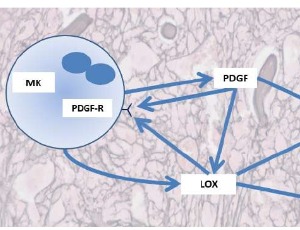
Post-allogeneic stem cell transplant FLT3-targeted maintenance therapy: updates and considerations for clinical practice
Jonathan Cohen, Richard T. Maziarz
Acute myeloid leukemia (AML) is characterized by multiple molecular and cytogenetic abnormalities, with increasing data to support clinical and prognostic implications to guide clinical decision making. One of the most well described mutations involves fms-like tyrosine kinase 3 (FLT3) that results in a constitutively active tyrosine kinase and is generally associated with poor prognosis involving shorter overall survival and higher rates of relapse.
Arch Stem Cell Ther, 2022, Volume 3, Issue 1, p23-27 | DOI: 10.46439/stemcell.3.015