Loading


Journal of Neurobiology and Physiology
ISSN: 2692-546X
Featured Articles
Endoplasmic reticulum stress and mitochondrial dysfunctions in metal-induced neurological pathology
Sophia Cai, Min Woo Kim, Pan Chen
Although essential metal ions are required in the body, neurotoxicity occurs when exposed to a concentration of metal that the body cannot accommodate. In the case of non-essential metals which are important in industry, these elements have the property of causing neurotoxicity even at small concentrations. When such neurotoxicity progresses chronically, it can contribute to various neurodegenerative disorders, such as Alzheimer’s disease and Parkinson’s disease.
J Neurobiol Physiol, 2022, Volume 4, Issue 1, p4-8 | DOI: 10.46439/neurobiology.4.020
Allosteric interactions among voltage-sensor modules of sodium channels probed by scorpion toxin modifiers
Michael Gurevitz, Boris S. Zhorov, Ke Dong
Gating of voltage-dependent sodium channels involves coordinated movements of the voltage sensors in the voltage-sensing modules (VSMs) of the four domains (DI-DIV) in response to membrane depolarization. Zhu et al. have recently examined the effects of charge reversal substitutions at the VSM of domain III on the action of scorpion alpha- and beta-toxins that intercept the voltage sensors in domains IV and II, respectively.
J Neurobiol Physiol, 2022, Volume 4, Issue 1, p9-12 | DOI: 10.46439/neurobiology.4.021
Duration and magnitude of bidirectional fluctuation in blood pressure: the link between cerebrovascular dysfunction and cognitive impairment following spinal cord injury
Shaoxun Wang, Richard J. Roman, Fan Fan
Individuals with spinal cord injury (SCI) have a significantly increased risk for cognitive impairment that is associated with cerebrovascular remodeling and endothelial dysfunction. The sub-acute stage following high thoracic SCI is characterized by increased fibrosis and stiffness of cerebral arteries. However, a more prolonged duration after SCI exacerbates cerebrovascular injury by damaging endothelium.
J Neurobiol Physiol, 2020, Volume 2, Issue 1, p15-18 | DOI: 10.46439/neurobiology.2.008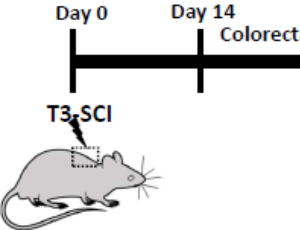
The genetical genomic path to understanding why rats and humans consume too much alcohol
Boris Tabakoff, Paula L. Hoffman, Laura M. Saba
At the invitation of the Journal, we are providing a summary of our published work that has followed the publication in 2009 of our manuscript entitled “Genetical Genomic Determinants of Alcohol Consumption in Rats and Humans”. Our initial premise, which has been maintained throughout, is that knowledge regarding gene transcription would greatly enhance GWAS of alcohol-related phenotypes.
J Neurobiol Physiol, 2024, Volume 5, Issue 1, p15-22 | DOI: 10.46439/neurobiology.5.026