Loading


Journal of Neurobiology and Physiology
ISSN: 2692-546X
All Articles
Commentary: Marijuana: Conflicting Issues in the Neonatal Period
Gilbert I. Martin
Dopamine is used often in the NICU to increase cardiac output and blood pressure in neonates that are acutely ill. Dopamine is a catecholamine and as a short plasma half-life of approximately two minutes. It is interesting that the effect on the neonate is dosed dependent. In low doses (<2mcg/kg/min) vasodilation occurs as specific dopamine receptors are stimulated.
J Neurobiol Physiol, 2021, Volume Volume 3, Issue Issue 1, p1-1 | DOI: 10.46439/neurobiology.3.009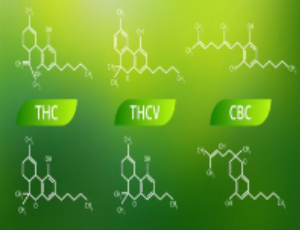
Neurobiological and physiological aspects of disease: Brain as a key with multiple links, a new medical hypothesis
Ahed J. Alkhatib
This editorial is a trial to open future research in the importance of neurobiology of diseases. We think that the potential of having links between some diseases and brain has been previously indicated, but it may be still underestimated.Previous studies reported the axis of brain and heart, brain and intestine. The reality of the problem is not well addressed on molecular basis. In other words, it is not enough to think or point out to possible existence of such a link.
J Neurobiol Physiol, 2019, Volume Volume 1, Issue Issue 1, p1-2 | DOI: 10.46439/neurobiology.1.001
The surgical philosophy for the management of rathke cleft cyst: Finding the sweet spot
Alaa S. Montaser, Edward R. Laws
Rathke cleft cysts (RCC) are the embryological remnants of the pars intermedia within the Rathke’s pouch, and they represent the benign end of a spectrum of lesions originating from this region. RCCs are commonly small asymptomatic lesion; however, they often attain large size and exert mass effect on surrounding vital neurovascular structures, and hence become symptomatic.
J Neurobiol Physiol, 2022, Volume Volume 4, Issue Issue 1, p1-3 | DOI: 10.46439/neurobiology.4.019
When Infection Mimics Hypersensitivity: Piperacillin-tazobactam-induced Dress Syndrome & Impact of Chronic Kidney Disease
Sampana Fatima, Abdelrhman Hassan Mohamed
Drug Reaction with Eosinophilia and Systemic Symptoms (DRESS) syndrome represents a potentially life-threatening adverse drug reaction characterized by rash, fever, multi-organ involvement, and lymphadenopathy. This paper examines a recent case of piperacillin-tazobactam-induced DRESS syndrome in a patient with chronic kidney disease, highlighting diagnostic challenges and therapeutic approaches.
J Neurobiol Physiol, Volume 6, Issue 1, p1-4
Clopidogrel pharmacogenetics in patients undergoing percutaneous neurointervention
Miriam Saiz-Rodríguez, Francisco Abad-Santos
During vascular neurointervention procedures, the use of double antiaggregation therapy (mainly acetylsalicylic acid and clopidogrel) is required to minimize the risk of thromboembolic complications.
J Neurobiol Physiol, 2020, Volume Volume 2, Issue Issue 1, p1-8 | DOI: 10.46439/neurobiology.2.005
Evaluation of chondrocyte dedifferentiation mechanisms using confocal Raman microscopy
N’Dré Jean N’DRE, Papa Abdou LECOR, ASSOUMOU AA, BLOHOUA MJJ
Human chondrocytes were isolated from articular cartilage harvested from a patient's knee during surgery, following informed consent. Cells were enzymatically digested with collagenase, then expanded directly onto Calcium Fluoride (CaF2) slides in two-dimensional (2D) monolayer cultures. Evaluations using wide-field optical microscopy, as well as Raman spectral measurements at D7, D14, D21, and D28 were performed for each passage from P1 to P4.

The multi-domain protein Piccolo is a versatile scaffolding protein with pleiotropic functions in the brain
Joanne Falck, Christine Bruns, Craig Garner, Frauke Ackermann
The human brain is a complex network of billions of neurons accompanied by astrocytes and microglia among others [1]. Neurons communicate via specialized sites of cell-cell contacts called synapses, where information is transmitted via the presynaptic release of neurotransmitter from synaptic vesicles (SVs) [2]. Through the integration of information transmitted via large networks of neurons, complex tasks, such as learning, memory and various behaviors, are regulated.
J Neurobiol Physiol, 2021, Volume Volume 3, Issue Issue 1, p2-7 | DOI: 10.46439/neurobiology.3.010
Mirror Mirror on the Brain; Tell me What do they feel Mirror Neurons; The Neural Wi-Fi system for Affect Sharing
Divya R, Ashok V
During an action observation (AO) and action execution, specific group of neural substrates are activated. They provide a neural mechanism for understanding the actions of others called as mirror neurons (MNs). They also carry out motor grounding, motion ersatz, language and emotion appreciation. Mirror neurons discharge not only throughout the self-experience of pain but also during the perception of other people’s pain.
J Neurobiol Physiol, 2019, Volume Volume 1, Issue Issue 1, p3-4 | DOI: 10.46439/neurobiology.1.002
Endoplasmic reticulum stress and mitochondrial dysfunctions in metal-induced neurological pathology
Sophia Cai, Min Woo Kim, Pan Chen
Although essential metal ions are required in the body, neurotoxicity occurs when exposed to a concentration of metal that the body cannot accommodate. In the case of non-essential metals which are important in industry, these elements have the property of causing neurotoxicity even at small concentrations. When such neurotoxicity progresses chronically, it can contribute to various neurodegenerative disorders, such as Alzheimer’s disease and Parkinson’s disease.
J Neurobiol Physiol, 2022, Volume Volume 4, Issue Issue 1, p4-8 | DOI: 10.46439/neurobiology.4.020
Inside the neurobiology of gender: Implications for modern physiology
Divya Ramanathan
Human biology reveals its greatest subtleties when it challenges our assumptions. Few topics exemplify this more clearly than transgender physiology, a field that compels us to revisit long-held ideas about sex, gender, and the development of identity. For physiologists, this area is no longer peripheral.
J Neurobiol Physiol, Volume 6, Issue 1, p5-6
Electronic adjuvants to understand and modulate the brain
Braulio Fernandes de Carvalho, Lauhélia Mauriz Marques, Ingrid Correia Nogueira, Gustavo Nogueira Barreto, Ingridi de Souza Sene, Lucielma Salmito Soares Pinto
Different computational models and new devices are under development, aiming to better comprehend and alter brain function. Ternary computating offers new approach by considering a third physiological state of the neuronal membrane: the refractory period (-1), in addition to resting potential state (0) and the action potential.
J Neurobiol Physiol, 2019, Volume Volume 1, Issue Issue 1, p5-9 | DOI: 10.46439/neurobiology.1.003
Silibinin and neurological diseases
Neda Masoumi Qajari, Abbas Khonakdar-Tarsi
In neurological diseases like diabetic neuropathy, Alzheimer’s disease, and schizophrenia, the expression of some genes such as caspase-3 and -9 and Bcl2 increases. Oxidative stress is one of the causes of Parkinson’s disease, multiple sclerosis, spongiform encephalopathy, Huntington’s disease, and amyotrophic lateral sclerosis. Silibinin, the powerful antioxidant without any side effects, can be used in treating of neurological diseases.
J Neurobiol Physiol, 2021, Volume Volume 3, Issue Issue 1, p8-9 | DOI: 10.46439/neurobiology.3.011
EBV-positive Intravascular Large B-cell Lymphoma
Qingjiao Li, Junpu Wang, Jinghe Li
Intravascular large B-cell lymphoma (IVLBCL) is a rare and specific variant of diffuse large B-cell lymphoma (DLBCL). Epstein-Barr virus (EBV)-positive IVLBCL is particularly rare and highly aggressive. Up to present, only a few cases of EBV-positive IVLBCL have been reported in the literature. Here, we would like to further explore its clinicopathological and molecular features to ensure the awareness and accurate diagnosis of this entity.
J Neurobiol Physiol, 2020, Volume Volume 2, Issue Issue 1, p9-11 | DOI: 10.46439/neurobiology.2.006
Allosteric interactions among voltage-sensor modules of sodium channels probed by scorpion toxin modifiers
Michael Gurevitz, Boris S. Zhorov, Ke Dong
Gating of voltage-dependent sodium channels involves coordinated movements of the voltage sensors in the voltage-sensing modules (VSMs) of the four domains (DI-DIV) in response to membrane depolarization. Zhu et al. have recently examined the effects of charge reversal substitutions at the VSM of domain III on the action of scorpion alpha- and beta-toxins that intercept the voltage sensors in domains IV and II, respectively.
J Neurobiol Physiol, 2022, Volume Volume 4, Issue Issue 1, p9-12 | DOI: 10.46439/neurobiology.4.021
Commentary on “Understanding bacterial chondronecrosis with osteomyelitis (BCO) in poultry: Highlights from proteomic analyses and imaging techniques”
Elizabeth S. Greene, Hans Adriaensen, Frederic Elleboudt, Joëlle Dupont, Sami Dridi
Bacterial chondronecrosis with osteomyelitis (BCO) is a leading cause of lameness in broiler chickens, which results in financial losses due to mortality and reduced growth. Due to the nature of the condition, it raises animal welfare and food safety concerns as well. The pathology in the commercial setting is derived from a combination of weak bone and bacterial translocation and infection.
J Neurobiol Physiol, 2024, Volume Volume 5, Issue Issue 1, p9-14 | DOI: 10.46439/neurobiology.5.025
Interhemispheric Asymmetry in the Pool of Amino Acids during Subtotal Cerebral Ischemia
Yury Evgeny Razvodovsky, Smirnov VY, Troyan EI, Maksimovich NY, Semenenya IN
Stroke is among the leading causes of disability and mortality in many countries of the world. The pathogenic mechanisms of ischemic stroke are very complex and have not been completely understood. The aim of this study was to estimate the amino acid (AA) pool in the brain hemisphere cortex of rats during Subtotal Cerebral Ischemia (SCI).
J Neurobiol Physiol, 2019, Volume Volume 1, Issue Issue 1, p10-14 | DOI: 10.46439/neurobiology.1.004
The potential of computational fluid dynamics simulations of airflow in the nasal cavity
Berger M, Pillei M, Freysinger W
Computational Fluid Dynamics (CFD) is a well-established and accepted tool for simulation and prediction of complex physical phenomena e.g., in combustion, aerodynamics or blood circulation. Recently CFD has entered the medical field due to the readily available high computational power of current graphics processing units, GPUs. Efficient numerical codes, commercial or open source, are available now.
J Neurobiol Physiol, 2021, Volume Volume 3, Issue Issue 1, p10-15 | DOI: 10.46439/neurobiology.3.012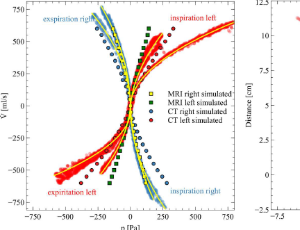
Inflammation in the olfactory bulb: A new mechanism of olfactory dysfunction in T2D?
Adriana Jiménez, Enrique Estudillo, Rosalinda Guevara-Guzmán
Diabetes is a metabolic disease that compromises the integrity of multiple organs and systems including the nervous system. Not only does neurodegeneration occur in peripheral nerves of diabetic subjects but also in brain structures. Particularly, diabetes impairs olfactory functions which suggests the alteration of regions of the central nervous system related with olfaction, however, few studies have shed light on the mechanisms that cause these alterations.
J Neurobiol Physiol, 2020, Volume Volume 2, Issue Issue 1, p12-14 | DOI: 10.46439/neurobiology.2.007
Systematic evaluation of the effects of exenatide and liraglutide on neurodegenerative diseases induced by type 2 diabetes mellitus
Ibrahim Yılmaz, Betul Ekız Bılır, Bulent Bılır, Numan Karaarslan, Necati Kaplan, Hanefi Ozbek, Hakan Somay, Ozkan Ates
Currently, there are no effective treatment methods for Alzheimer's disease (AD), Parkinson's disease (PD), and olfactory dysfunction (OD). Given common pathophysiological features of neurodegenerative diseases such as AD and type 2 diabetes mellitus (T2DM), antidiabetic drugs such as exenatide and liraglutide, which act as incretin mimetics, are tested as a potential treatment option.
J Neurobiol Physiol, 2022, Volume Volume 4, Issue Issue 1, p13-19 | DOI: 10.46439/neurobiology.4.022
Duration and magnitude of bidirectional fluctuation in blood pressure: the link between cerebrovascular dysfunction and cognitive impairment following spinal cord injury
Shaoxun Wang, Richard J. Roman, Fan Fan
Individuals with spinal cord injury (SCI) have a significantly increased risk for cognitive impairment that is associated with cerebrovascular remodeling and endothelial dysfunction. The sub-acute stage following high thoracic SCI is characterized by increased fibrosis and stiffness of cerebral arteries. However, a more prolonged duration after SCI exacerbates cerebrovascular injury by damaging endothelium.
J Neurobiol Physiol, 2020, Volume Volume 2, Issue Issue 1, p15-18 | DOI: 10.46439/neurobiology.2.008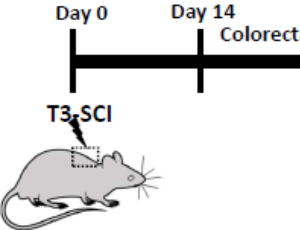
The genetical genomic path to understanding why rats and humans consume too much alcohol
Boris Tabakoff, Paula L. Hoffman, Laura M. Saba
At the invitation of the Journal, we are providing a summary of our published work that has followed the publication in 2009 of our manuscript entitled “Genetical Genomic Determinants of Alcohol Consumption in Rats and Humans”. Our initial premise, which has been maintained throughout, is that knowledge regarding gene transcription would greatly enhance GWAS of alcohol-related phenotypes.
J Neurobiol Physiol, 2024, Volume Volume 5, Issue Issue 1, p15-22 | DOI: 10.46439/neurobiology.5.026
Worsening pain and muscular spasms in the context of recent spinal cord decompression
Hughes MP, Courtois EC, Rachel Elizabeth Daum, Thomas Chandy Varkey
This case study focuses on the clinical course of a patient who underwent decompressive surgery for an acute on chronic cervical spinal cord injury and developed white cord syndrome, a reperfusion injury, as a result of the decompression. This case study is the eighth recorded case of white cord syndrome reported globally at the time of writing this case report.
J Neurobiol Physiol, 2021, Volume Volume 3, Issue Issue 1, p16-19 | DOI: 10.46439/neurobiology.3.013
Commentary on “Calcitonin-gene related peptide and neurologic injury: An emerging target for headache management”
Phillip Johansen, Brandon Lucke-Wold
Mehkri et al. have presented a thorough review of calcitonin-gene related peptide (CGRP) and its relationship with headaches, both primary (e.g., migraine headaches) and secondary headaches (e.g., headaches secondary to subarachnoid hemorrhage (SAH) and traumatic brain injury (TBI)).
J Neurobiol Physiol, 2022, Volume Volume 4, Issue Issue 1, p20-22 | DOI: 10.46439/neurobiology.4.023
"I’m Feeling Blue": Depression as a presenting symptom of Normal Pressure Hydrocephalus
Deyo AA, Zeitler CM, Courtois EC, Thomas Chandy Varkey
Unusual presentations of disease states that have been well characterized over the years is key to ensuring the safety of patients and decreasing the overall mortality and morbidity. Patients often present with variations on classical conditions and it is key that providers be able to recognize these variations. This case study presents a 70-year-old female with a complex past medical history with variation of the classical Hakim-Adams triad of Normal Pressure Hydrocephalus.
J Neurobiol Physiol, 2021, Volume Volume 3, Issue Issue 2, p20-23 | DOI: 10.46439/neurobiology.3.014
Commentary on “Identification of CD19 as a shared biomarker via PPARγ/β-catenin/Wnt3a pathway linking psoriasis and major depressive disorder”
Bin Zhou, Zhujun Ma, Jiahao Yang, Lingui Li, Hanying Ma
This study presents a comprehensive exploration into the shared molecular mechanisms linking psoriasis and major depressive disorder (MDD), two conditions that are increasingly recognized as having potential comorbidities. It offers new insights into the immune and genetic pathways that may contribute to both disorders, emphasizing the potential of CD19 as a biomarker and therapeutic target through the PPARγ/β-catenin/Wnt3a signaling pathway.
J Neurobiol Physiol, 2024, Volume Volume 5, Issue Issue 1, p23-25 | DOI: 10.46439/neurobiology.5.027
Commentary on Adrenarche and Middle Childhood
Benjamin Campbell
Adrenarche, the post-natal onset of adrenal production of DHEA (dehydroepiandrosterone) and its sulfate (DHEA-S) marks the 5-8 transition and the onset of middle childhood. However, the role of DHEA and/or DHEA-S in the cognitive, emotional and physical changes of the so-called 5-8 transition are not well-understood.
J Neurobiol Physiol, 2021, Volume Volume 3, Issue Issue 2, p24-28 | DOI: 10.46439/neurobiology.3.015
Surgical outcomes of the thoracic ossification of ligamentum flavum: A high incidence of combined spinal stenosis
Tsuyoshi Yamada M.D., Ph.D
The term “tandem spinal stenosis (TSS)” has been used to describe combined cervical and lumbar canal stenosis. We identified in our large series of cases that approximately 58% of cases with cervical canal stenosis were considered to be TSS, and 15% needed surgery for concurrent lumbar spinal canal stenosis (LCS) [1]. The simultaneous presence of thoracic canal stenosis and LCS is also frequently observed at a clinical site.
J Neurobiol Physiol, 2021, Volume Volume 3, Issue Issue 2, p29-31 | DOI: 10.46439/neurobiology.3.016
The role of fathers on HPA-axis development and activity across the lifespan: A brief review
Erin E. Wood, Michael M. Criss, Jennifer Byrd-Craven
Humans are within the rare 5% of mammal species that have paternal investment. The quantity and quality of paternal investment is facultative on environmental and social context. Because paternal investment is facultative in nature, father presence is not necessarily critical for survival.
J Neurobiol Physiol, 2021, Volume Volume 3, Issue Issue 2, p32-35 | DOI: 10.46439/neurobiology.3.017
Parkinson’s disease pathogeny and treatments: a narrative review
Braulio Fernandes de Carvalho, Gustavo Nogueira Barreto, Lauhélia Mauriz Marques, Deny Berg de Carvalho Sousa, Lucielma Salmito Soares Pinto, Ingridi de Souza Sene
Parkinson’s disease is a multifaceted illness that requires interdisciplinary approach to be fully addressed. The etiology of the disease is not completely understood, but genetic and environmental cues play important roles. Histological hallmarks of the disease are the accumulation of alpha-synuclein aggregates, mitochondrial changes and loss of dopaminergic neurons in the substantia nigra.
J Neurobiol Physiol, 2021, Volume Volume 3, Issue Issue 2, p36-45 | DOI: 10.46439/neurobiology.3.018