

Abstract
Patients with mental health disorders are at disproportionately greater risk of heart attack and stroke due to accelerated atherosclerotic cardiovascular disease. A three-tiered approach is considered herein to enhance access to primary cardiovascular prevention in clinical practice, reducing the disparity created in part by the stigma associated with psychiatric illness.
Keywords
Primary cardiovascular prevention, Psychiatric disorders
Introduction
As a late-career consultant in internal medicine at a free-standing psychiatric facility, my current goal is to promote a strategy for enhancing primary cardiovascular prevention for patients across the spectrum of mental health disorders. A 3-tier approach is outlined herein to facilitate accomplishing this objective.
Tier 1: Lifestyle Modification
A recent report in the Canadian Journal Cardiology addressed the relationship between modifiable risk factors for cardiovascular disease and major acute cardiac events including sudden cardiac arrest [1]. These findings underscore the importance of primary prevention, revealing that the American Heart Association's Life's Essential 8 factors are strongly related to health risks, including sedentary lifestyle, higher adiposity, higher waist circumference, short sleep duration (less than 7 hours per night) and tobacco use [2]. Psychosocial factors such as depressive symptoms, low mood, and social isolation were also included. Overall, they estimated that between 40 and 63% of sudden cardiac arrests could be preventable by reducing or even fully eliminating these risk factors [1].
Tier 2: Pharmacological Interventions to Reduce Risk for Major Acute Cardiac Events
A predominance of current clinical evidence indicates that lifestyle modifications alone are suboptimal in providing primary preventive measures outlined above. Metabolic syndrome, obesity, and diabetes mellitus are prevalent especially in psychiatric patients with major disorders such as schizophrenia [3] as complications of psychopharmacological agents to treat their primary psychiatric conditions. GLP–1 receptor agonists [4] are emerging as efficacious agents to address these difficulties, regarding them as medical disorders rather than psychological issues. It is imperative for the medical community to lead efforts to make these agents available to appropriate patients, including at reasonable costs and with minimal prescribing difficulties such as requirements for prior approval.
Tier 3: Aspirin Use to Minimize the Risk for Sudden Cardiac Death
Initially recommended to reduce the transiently elevated risk for sudden cardiac arrest in marathon runners during races [5,6], aspirin use guided by coronary artery calcium scores was advised for recreational sports active individuals whose risk of exertional cardiac events increases with age [7]. This approach has been subsequently recommended as a standard of care for enhancing primary cardiovascular prevention and primary care practice for individuals at risk as shown by such noninvasive testing.
Atherosclerotic cardiovascular disease remains the #1 cause of death in the United States with more than 200,000 sudden cardiac arrests annually with a fatality rate of 90% [8].
Patients with major psychiatric disorders such as schizophrenia incur a roughly 10-year reduction in total life expectancy due to atherosclerotic cardiovascular disease and are also subject to a 5-fold or greater increase in sudden cardiac death [9,10]. Low-dose aspirin use in the absence of contraindications is indicated to enhance primary prevention in patients shown to be at risk by coronary artery calcium scores greater than 100 Agatston units (see Figure 1). Beyond such heightened risk related to genetic predisposition, patients with mental health disorders such as anxiety and depression are also subject to increased cardiovascular risk warranting similar assessments by coronary artery calcium scoring. Persons identified at risk due to subclinical coronary heart disease are candidates for this intervention as above. Such use is supported by two randomized control primary prevention trials and is consistent with guidelines of the American Heart Association and the American College of Cardiology [11–13].
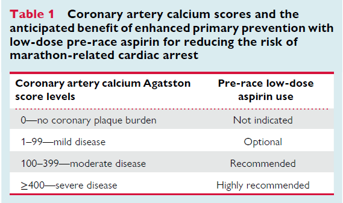
Figure 1. Reproduced from: Siegel et al. 2023 [5].
An actionable approach is for psychiatrists to refer patients to their primary care physicians for consideration of this 3-tier approach to primary cardiovascular prevention. Men in their 20s and women perhaps a decade or so older would be appropriate for such evaluations. Were these considerations to be integrated into psychiatric practice at large, persons with mental health disorders would gain greater access to the primary prevention of atherosclerotic cardiovascular disease, which currently is impeded by the stigma associated with such illness. Such referrals would contribute directly to the quality of and access to care for mental health disorders, leveling the playing field in this domain with medical practice at large.
Individuals with mental health disorders are at disproportionately greater risk of heart attack and stroke due to atherosclerotic cardiovascular disease [14]. A 3–tiered approach is outlined above to enhance access to primary cardiovascular preventive measures for patients with mental health disorders, supporting the approach to their equitable access to such care.
References
2. Joynt Maddox KE, Elkind MS, Aparicio HJ, Commodore-Mensah Y, de Ferranti SD, Dowd WN, et al. Forecasting the burden of cardiovascular disease and stroke in the United States through 2050—prevalence of risk factors and disease: a presidential advisory from the American Heart Association. Circulation. 2024 Jul 23;150(4):e65–88.
3. Rødevand L, Rahman Z, Hindley GFL, Smeland OB, Frei O, Tekin TF, et al. Characterizing the Shared Genetic Underpinnings of Schizophrenia and Cardiovascular Disease Risk Factors. Am J Psychiatry. 2023 Nov 1;180(11):815–26.
4. Skjelbred T, Warming PE, Krøll J, Andersen MP, Torp-Pedersen C, Winkel BG, Tfelt-Hansen J, Lynge TH. Sudden Cardiac Death as First Manifestation of Cardiovascular Disease: A Nationwide Study of 54,028 Deaths. JACC Clin Electrophysiol. 2025 May;11(5):881–90.
5. Siegel AJ. Pre-race aspirin to attenuate the risk for marathon-related cardiac arrest: deconstructing the legacy of Pheidippides. Eur Heart J. 2024 Feb 7;45(6):488.
6. Siegel AJ. Pre-Race Aspirin to Enhance Primary Prevention of Marathon-Related Cardiac Arrest: Confronting Pheidippides' Legacy. Am J Med. 2023 Jul;136(7):613–5.
7. Siegel AJ. Aspirin Guided By Coronary Artery Calcium Scoring for Primary Cardiovascular Prevention in Persons with Subclinical Coronary Atherosclerosis. Am J Med. 2025 Apr;138(4):591–3.
8. Siegel AJ. Rationale for Pre-Race Aspirin to Attenuate Risk for Marathon-Related Cardiac Arrest: Confounding the Legacy of Pheidippides. Medical Research Archives. 2023 Apr;11(4).
9. Mujkanovic J, Warming PE, Kessing LV, Køber LV, Winkel BG, Lynge TH, et al. Nationwide burden of sudden cardiac death among patients with a psychiatric disorder. Heart. 2024 Nov 19;110(23):1365–71.
10. Skjelbred T, Warming PE, Behr ER, Køber L, Pedersen-Bjergaard U, Winkel BG, Lynge TH, Tfelt-Hansen J. Diabetes and sudden cardiac death: a Danish nationwide study. Eur Heart J. 2026 Jun 2;47(21):2644-2656.
11. Steering Committee of the Physicians' Health Study Research Group. Final report on the aspirin component of the ongoing Physicians' Health Study. N Engl J Med. 1989 Jul 20;321(3):129–35.
12. Yusuf S, Joseph P, Dans A, Gao P, Teo K, Xavier D, et al; International Polycap Study 3 Investigators. Polypill with or without Aspirin in Persons without Cardiovascular Disease. N Engl J Med. 2021 Jan 21;384(3):216–28.
13. Arnett DK, Blumenthal RS, Albert MA, Buroker AB, Goldberger ZD, Hahn EJ, et al. 2019 ACC/AHA Guideline on the Primary Prevention of Cardiovascular Disease: A Report of the American College of Cardiology/American Heart Association Task Force on Clinical Practice Guidelines. Circulation. 2019 Sep 10;140(11):e596-e646.
14. Chouinard VA, Price M, Forte S, Prete S, Heinrich H, Smith SN, et al. Baseline Cardiovascular Risk Factors in Patients With Severe Mental Illness (SMI) and Second Generation Antipsychotic Use From the Fixed Dose Intervention Trial of New England Enhancing Survival in SMI (FITNESS). J Clin Psychiatry. 2025 Jan 8;86(1):24m15392.