

Abstract
Modern urban environments are increasingly disconnected from human evolutionary biology, contributing to a dementia cliff where rising rates of cognitive decline threaten global healthcare sustainability. This commentary argues that Protected Areas (PAs) are not merely recreational spaces but essential neurological infrastructure. Physical exercise triggers the release of the myokine Irisin, which crosses the blood-brain barrier to stimulate Brain-Derived Neurotrophic Factor (BDNF) in the hippocampus. However, in high-stress urban or gym settings, elevated cortisol levels act as a biochemical brake, suppressing this neurogenic potential. Natural environments provide a green multiplier effect: forest phytoncides and fractal visual patterns lower systemic cortisol, unlocking the brain to receive maximum BDNF dividends. Furthermore, navigating the stochastic, uneven terrain of natural trails demands intense spatial mapping and proprioceptive engagement, physically enlarging hippocampal volume. By delaying the clinical onset of neurodegeneration by three to five years, universal access to green exercise offers a superior return on investment (ROI) compared to traditional pharmacological interventions. Integrating health and environmental policies is a biological and economic necessity to ensure long-term cognitive resilience in an ageing population.
Keywords
Green exercise, Irisin-BDNF axis, Neurogenesis, Dementia cliff, Protected areas, Cortisol suppression
Introduction
Modern cities are currently facing a quiet but serious crisis: we are living in a way that our brains were not built for. As more people move into paved-over urban areas and spend their days in front of screens, we are seeing a sharp rise in memory loss, dementia, and severe mental fatigue [1,2]. For years, doctors and public health officials have told us that the best way to protect our brains is simply to exercise. We know that physical activity releases a vital protein called Brain-Derived Neurotrophic Factor (BDNF), which acts like a fertilizer for the brain, helping it grow new cells and stay sharp [3]. However, we are starting to realize that where we exercise might be just as important as how much we move.
Most current health advice treats a gym or a city street as a perfectly fine place to get active. But these environments are often loud, crowded, and full of stressful hard distractions. This is a significant problem because stress produces cortisol, a hormone that actually blocks the brain-building benefits of BDNF [4]. Therefore, if you are stressed while you run on a treadmill, you are essentially hitting the gas and the brake at the same time. You get the physical fitness, but you miss out on the full neurological upgrade [5,6].
To fix this, we must understand the role of Irisin, a messenger released by our muscles during movement. When we are in a calm, natural setting, Irisin can more effectively trigger the production of BDNF in the hippocampus [7]. This paper argues that we need to stop looking at parks and forests as mere nice-to-have spots for a weekend stroll. Instead, we should view these Protected Areas (PAs) as essential medical infrastructure. When we exercise in nature, our bodies respond differently. The natural patterns of trees, the clean air, and the absence of city noise lower our stress levels almost instantly [8,9]. This clears the path for the brain to soak up the benefits of exercise, a process we call the green multiplier effect.
We are approaching what some call the dementia cliff, a point where the cost of caring for an ageing population with failing memories will overwhelm our healthcare systems [10], hence, we can no longer afford to treat nature as a luxury. To protect our collective long-term health, we must integrate our environmental and health policies. Protecting our wild spaces is the most cost-effective way to protect the human mind.
The Synergistic BDNF Pathway
To understand why a park provides a superior neurological dividend compared to a gym, we must look at the biochemical conversation between our muscles and our brain. This section explores the green multiplier effect, a biological synergy where the natural environment removes the chemical barriers that usually limit the brain's ability to grow and repair itself during exercise.
The irisin-BDNF axis
The primary driver of exercise-induced brain health is a newly discovered pathway involving a protein called Irisin (encoded by the FNDC5 gene). When we engage in aerobic activity such as walking, running, or cycling, our skeletal muscles contract and secrete irisin into the bloodstream [11]. For decades, scientists have wondered how physical movement in the legs could improve memory in the head; we now know that irisin is the missing link. It has the unique ability to cross the blood-brain barrier, where it targets the hippocampus which is the brain's command center for learning and memory [12]. Once inside the hippocampus, it triggers the expression of BDNF. BDNF is often described by neuroscientists as miracle-gro for the brain because it supports the survival of existing neurons and encourages the growth of new ones, a process known as neurogenesis [13]. Without sufficient BDNF, the brain struggles to repair the daily wear and tear caused by ageing and stress. While any form of exercise can spark this pathway, the efficiency of this spark is heavily dictated by the surrounding environment.
The cortisol constraint
The novelty of this argument lies in what we call the cortisol constraint. In many modern exercise settings, such as high-decibel gyms or busy urban roadsides, the body is subjected to hard sensory stimuli such as loud music, clashing machinery, and the constant need to watch for traffic. These stressors activate the sympathetic nervous system, leading to elevated levels of cortisol, the body’s primary stress hormone [14]. In a clinical sense, cortisol is the molecular antagonist to BDNF. High levels of circulating cortisol have been shown to actively suppress the expression of BDNF in the hippocampus [15]. This creates a physiological conflict because, while your muscles are releasing irisin to grow the brain, your environment is releasing cortisol to shield it. Thus, exercising in a stressful urban environment could be liken to someone trying to water a plant while another person is holding a lid over the pot. You may be putting in the physical effort, but the neurological soak-in is being blocked by the very air you are breathing [16].
The synergy unlocking the brain
This is where the role of PAs becomes a medical necessity. Natural environments provide two specific keys that unlock the brain's potential, namely the phytoncides and fractals. Phytoncides are organic antimicrobial compounds (like α-pinene and limonene) released by trees to protect themselves from insects. When humans breathe in these compounds during a park-based walk, they trigger a significant and rapid reduction in serum cortisol levels [17]. Simultaneously, the visual environment of a park is filled with fractals or complex, repeating patterns found in clouds, leaves, and branches. The human eye is evolved to process these patterns with very little effort, a state known as soft fascination [18]. This visual ease further signals the brain to lower its guard, shifting the body from a fight-or-flight state into a rest-and-digest state.
By lowering cortisol, these natural elements effectively remove the lid from the hippocampal pot. When you exercise in a park, the irisin produced by your muscles arrives at a hippocampus that is chemically receptive rather than defensive. This creates the Synergistic BDNF Pathway as the environment lowers the inhibitors (cortisol), while the exercise raises the stimulators (irisin). The result is a massive, unimpeded spike in BDNF that simply cannot be replicated in a sterile indoor environment [19,20]. This biochemical green multiplier effect is illustrated in Figure 1, which maps the dual-input pathway of muscle-led activation and environment-led suppression. A further, granular breakdown of these shifting biomarkers ranging from irisin transport to the attenuation of oxidative stress is provided in Table 1, comparing the physiological profile of a gym session against a park-based workout.
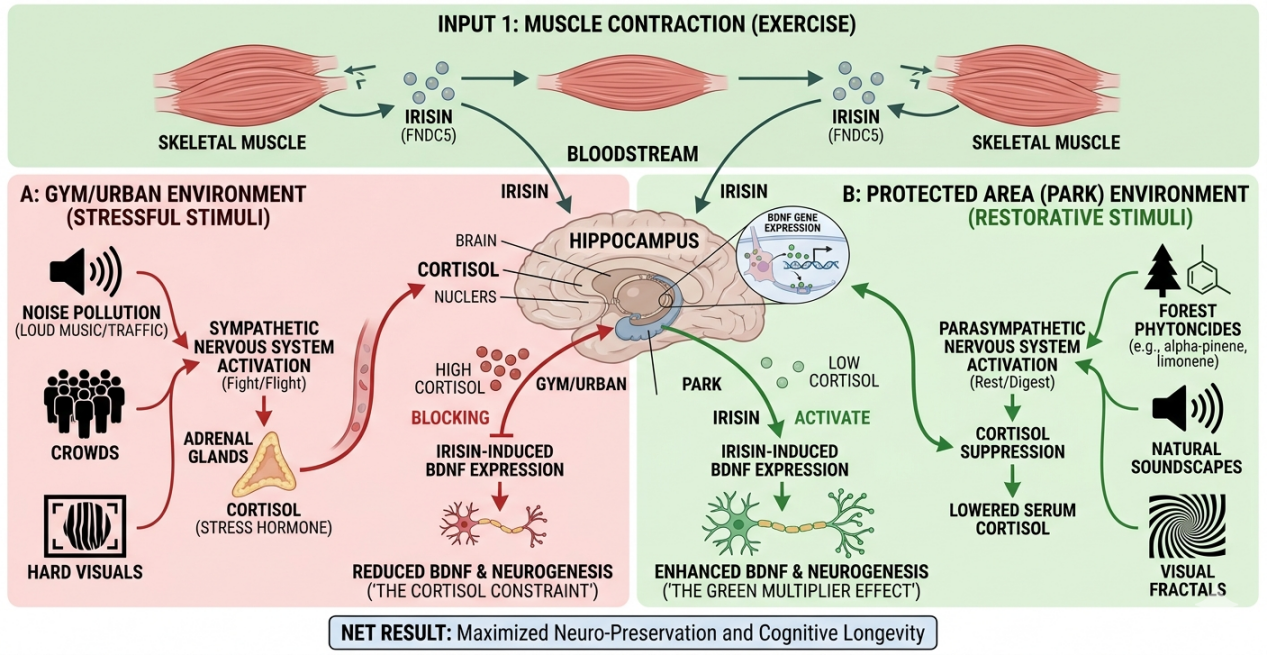
Figure 1. The dual-input pathway of irisin and cortisol suppression meeting in the hippocampus.
|
Domain |
Biomarker / Mechanism |
Indoor (Gym) Environment |
Park-Based Environment |
Green Multiplier Result |
|
Neurochemistry |
BDNF Expression |
Standard increase via exertion. |
Enhanced via cortisol suppression. |
Accelerated hippocampal neuroplasticity. |
|
|
β-Endorphins |
Sharp peak, often followed by crash. |
Sustained release due to sensory pleasure. |
Prolonged post-exercise mood lift. |
|
|
Dopamine Tone |
Reward-driven (goal-oriented). |
Restorative (process-oriented). |
Combats digital brain fatigue. |
|
Endocrine |
Serum Cortisol |
Often remains high (noise/crowds). |
Significant Drop (via phytoncides). |
Removes the block on brain repair. |
|
|
Adrenaline (Epi) |
High Fight/Flight spikes. |
Regulated nervous system balance. |
Lowered cardiovascular strain. |
|
|
Irisin (FNDC5) |
Standard production from muscle. |
Optimized transport across the BBB. |
Maximized muscle-to-brain cross-talk. |
|
Biomechanics |
Proprioceptive Input |
Low (Static, flat surfaces). |
High (Stochastic, uneven terrain). |
Intense cerebellar stimulation. |
|
|
Kinetic Variability |
Repetitive motion (High joint wear). |
Varied gait (Distributes load). |
Reduced repetitive strain injury. |
|
|
Oxygen Saturation |
Sub-optimal (Recirculated air). |
Optimal (High O2 + Phytoncides). |
Improved mitochondrial efficiency. |
|
Cellular |
Oxidative Stress |
Standard metabolic waste. |
Attenuated by natural antioxidants. |
Faster neural recovery post-exertion. |
|
|
Autophagy |
Standard cellular cleanup. |
Upregulated via lowered stress. |
Enhanced removal of brain waste. |
Sensory Complexity and Spatial Mapping
While the molecular benefits of exercise are clear, the cognitive impact is heavily influenced by the data our brains process during movement. This section examines how the sheer complexity of a natural environment acts as a cognitive stimulant, forcing the brain to engage in high-level mapping and restoration that a controlled, indoor environment simply cannot provide.
Sensory deprivation and complexity
Most modern exercise equipment is designed for comfort and safety, which inadvertently leads to sensory deprivation. When a person runs on a treadmill or uses a stationary bike, the visual field is often fixed on a screen or a blank wall, and the physical surface is perfectly flat and predictable [21]. In this setting, the brain enters a state of autopilot. Because there are no obstacles to avoid and no new information to process, the neural circuits responsible for spatial awareness and sensory integration remain largely dormant. In contrast, a trail within a PA offers sensory complexity. Every step requires the brain to process a massive stream of information such as the changing light filtering through leaves, the sound of wind or water, and the varying textures of the ground [22]. This is not just scenery; it is raw data that the brain must interpret in real-time. Research suggests that this richness of input is a key driver of cognitive health. When the brain is challenged by a complex environment, it remains plastic, meaning it stays capable of reorganizing itself and forming new connections. By moving exercise from the gym to the park, we move from a state of mental stagnation to one of active engagement [23]. The specific differences in sensory input, from acoustic load to visual fascination, are contrasted in Table 2, highlighting how natural environments reduce the hard focus that leads to mental fatigue.
|
Feature |
Treadmill / Indoor Track |
Natural Trail / Protected Area |
Cognitive Impact |
|
Visual Input |
Static or Digital (Hard Focus) |
Fractal Patterns (Soft Fascination) |
Repairs Directed Attention Fatigue. |
|
Proprioception |
Low (Predictable surface) |
High (Stochastic terrain) |
Stimulates Cerebellum and Motor Cortex. |
|
Spatial Navigation |
Minimal / Not required |
High (Active Mapping) |
Increases volume in the Hippocampus. |
|
Acoustic Environment |
High-Decibel (Machinery/Music) |
Low-Decibel (Natural sounds) |
Lowers sympathetic nervous system load. |
|
Mental State |
Often distracted or zoned out |
Mindful and Engaged |
Promotes neural plasticity and awareness. |
Proprioceptive challenge and hippocampal mapping
One of the most significant differences between indoor and outdoor activity is the proprioceptive challenge. Proprioception is the body’s ability to sense its position and movement in space. Navigating a natural trail involves stepping over roots, balancing on loose stones, and adjusting to inclines. This requires constant communication between the skeletal muscles, the cerebellum, and the hippocampus [24]. Recent studies in neuro-urbanism show that navigating uneven natural terrain requires the brain to perform spatial mapping [25]. The hippocampus is not just a memory center; it is also our internal global positioning system (GPS). Every time we encounter an unpredictable path, the hippocampus must create a new spatial map to help us navigate safely. This active mapping is a direct trigger for neurogenesis. This implies that the brain treats the challenge of a forest path as a reason to grow more cells. On a treadmill, this mapping is unnecessary, so the brain does not receive the same signal to expand its capacity [26].
As shown in Figure 2, brain scans of individuals walking on natural trails show significantly higher activation in the posterior hippocampus compared to those walking on flat city pavements or treadmills. This suggests that the difficulty of nature is actually its greatest benefit. By forcing the brain to solve the physical puzzle of a trail, we are effectively training the very parts of the brain that are most vulnerable to ageing and dementia [27]. This heightened neural demand as captured in Figure 2, schematizes the significant increase in hippocampal and cerebellar activation during outdoor movement. The long-term clinical outcomes of this sustained activation, such as improved executive function and sleep quality, are summarized in Table 3.
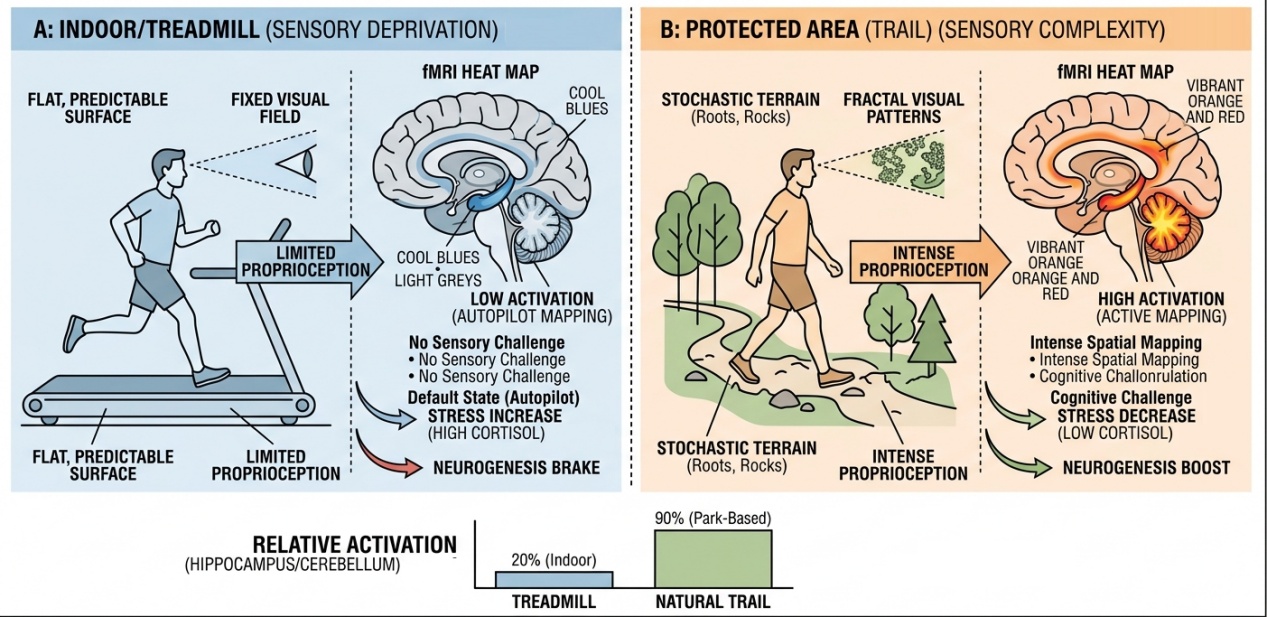
Figure 2. Schematic comparison of hippocampal activation during indoor and park-based movement.
|
Clinical Domain |
Diagnostic Marker |
Indoor Exercise Outcome |
Park-Based (Green) Outcome |
The Neuro-Clinical Advantage |
|
Memory and Learning |
Hippocampal Volume |
Maintenance / Slow decline |
Measurable Volume Increase |
Reversal of age-related brain shrinking. |
|
Executive Function |
Task Switching Tests |
Standard post-workout clarity |
Significantly Faster Results |
Superior clearing of brain fog. |
|
Mood Regulation |
Depression Scales |
Moderate improvement |
Deep/Rapid Recovery |
Stronger antidepressant effect via BDNF. |
|
Sleep Quality |
Deep Sleep Duration |
Standard physical fatigue |
Increased Slow-Wave Sleep |
Better removal of brain waste (toxins). |
|
Stress Resilience |
Heart Rate Variability |
Transient improvement |
Sustained Baseline Shift |
Stronger ability to handle daily stress. |
Attention Restoration Theory (ART) and executive function
Beyond the physical challenge, parks provide a unique form of mental recovery through what is known as Attention Restoration Theory (ART). In our daily lives, we rely on directed attention or the intense, tiring focus needed to handle emails, traffic, and screens. This type of attention is a finite resource, and when it runs out, we experience brain fog, irritability, and poor decision-making [28]. Natural environments offer an antidote called soft fascination. The movement of clouds, the rustle of leaves, or the patterns of water capture our attention effortlessly. Unlike a flashing phone screen, these stimuli do not demand a response, they allow the brain’s directed attention circuits to rest and recharge [29]. This is why people often feel they can think more clearly after a walk in the woods.
When we combine exercise with this restorative environment, the results for executive function are profound. The brain is not only being fed by the BDNF produced by the muscles, but it is also being rested by the surroundings. This dual action allows for much better executive function such as the ability to plan, focus, and multitask following the activity [30]. For a city worker, a 30-minute run in a park is therefore twice as valuable as a 30-minute run in a gym, since one simply tires the body, while the other repairs the mind [31].
The Return on Investment (ROI) of Neuro-Preservation
As we look toward the middle of the 21st century, the health of the human brain is no longer just a medical concern, rather, it is a primary economic one. This section therefore moves from the individual's hippocampus to the national balance sheet, arguing that protected natural spaces are the most valuable biological assets a modern government can possess.
The dementia cliff and the cost of decline
Global healthcare systems are currently approaching what economists call the Dementia Cliff. As our population ages, the number of people living with cognitive decline is projected to triple by 2050 [32]. The financial burden of this shift is staggering. We measure this impact using Disability-Adjusted Life Years (DALYs), a metric that represents the loss of the equivalent of one year of full health. Currently, neurodegenerative diseases are among the leading causes of DALYs globally, as they require years of intensive, high-cost social care and medical intervention [33].
The economic cliff refers to the point where the cost of treating these conditions exceeds the tax revenue generated by the working-active population. In the UK alone, the cost of dementia is already estimated at over £25 billion per year, much of which is spent on late-stage crisis management rather than prevention [34]. When a brain loses its cognitive integrity, the individual loses their independence, families lose their caregivers, and the economy loses its human capital. By failing to invest in the biological upkeep of the brain through preventative measures like green exercise, we are effectively allowing a massive portion of our national wealth to erode [35].
Green prescriptions as macro-policy
To avoid this collapse, we must move away from expensive, late-stage pharmaceutical interventions and toward green prescriptions as a matter of macro-economic policy. Research consistently shows that green exercise which is the combination of physical activity and natural settings, is one of the most cost-effective ways to delay the onset of dementia symptoms by several years [36]. From a policy perspective, the ROI for park-based activity is unparalleled. While a new dementia drug might cost thousands of pounds per patient for a marginal improvement in symptoms, the cost of maintaining a public park is shared across thousands of citizens and provides benefits for decades. By integrating health budgets with environmental budgets, governments can use parks as natural hospitals. If we can delay the clinical onset of Alzheimer’s by even three years through consistent green exercise, the savings in social care costs would be measured in the billions [37]. This trajectory of neuro-preservation is modelled in Figure 3, which visualizes the dementia cliff and the potential to shift the national burden of care. To put this in perspective, Table 4 provides a comparative ROI analysis, demonstrating that green infrastructure offers a significantly higher yield per pound spent than traditional pharmacological or indoor-only interventions.
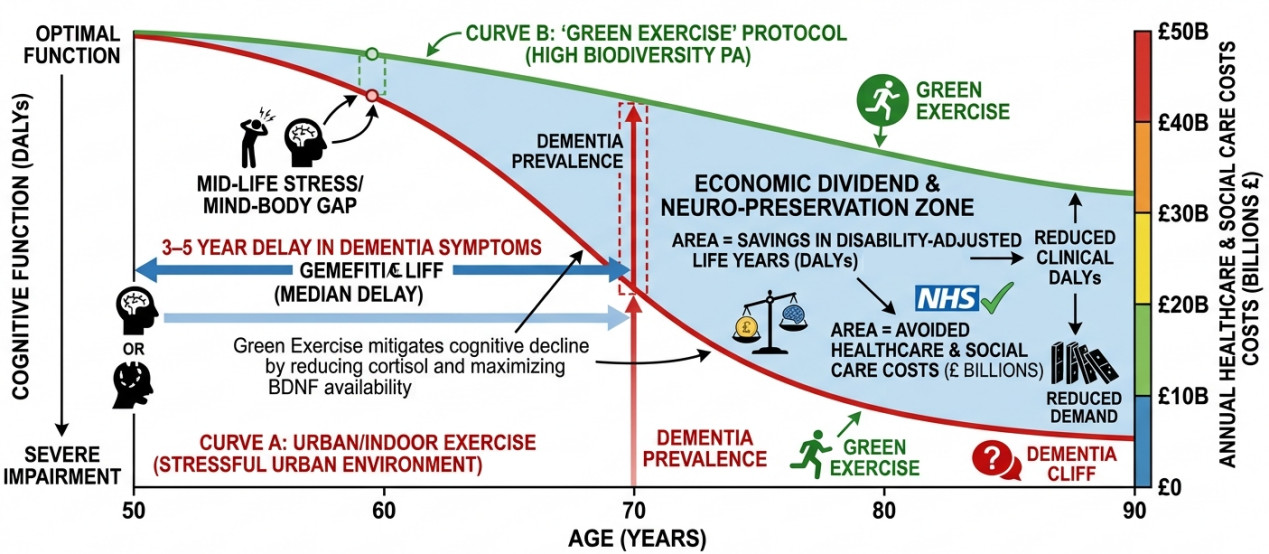
Figure 3. The dementia cliff mitigation graph.
|
Intervention Model |
Primary Target |
Estimated DALYs Saved |
10-Year ROI (per £1M) |
Evidence Source / Data Origin |
|
Pharmacological |
Symptom Management |
Low (Late-stage focus) |
£1.2M – £1.8M |
NICE Clinical Guidelines and Pharma R&D Reports [34,38] |
|
Indoor Fitness |
General Physical Health |
Moderate |
£3.5M – £4.0M |
UK Chief Medical Officers' Physical Activity Reports [5,39] |
|
Green Infrastructure |
Neuro-Preservation |
High (Prevention) |
£7.0M – £10.5M |
Public Health England (PHE) and Vivid Economics [37,40] |
|
Urban Re-wilding |
Community Stress |
High (Broad impact) |
£5.0M – £8.5M |
WHO European Centre for Environment and Health [1,41] |
|
Policy Strategy |
Healthcare Sustainability |
Reduction in Cliff cost |
Billions in long-term savings |
The Lancet Commission on Dementia Prevention [10,32] |
Universal access and the green equity gap
The final hurdle in using nature as neurological infrastructure is the green equity gap. Currently, cognitive health is becoming a luxury. Data shows that high-income areas often have 50% more canopy cover and better access to protected parks than lower-income urban centers [42]. This means that the people who are often at the highest risk for chronic stress and cognitive fatigue are the ones with the least access to the green multiplier effect. This inequality creates a dual burden of disease. Residents in nature-deprived areas suffer from higher cortisol levels due to urban noise and pollution, while also lacking the spaces required to engage in the BDNF-boosting activities discussed in this paper [43]. If we are to combat the dementia cliff effectively, cognitive health must be democratized. Universal access to high-quality, safe, and biodiverse green spaces is a matter of neurological justice. Every citizen, regardless of their postcode, requires the same biological hardware to maintain their mind. Investing in green infrastructure in underserved urban areas is not just an environmental goal, rather it is a vital step in ensuring the long-term cognitive resilience of the entire population [44,45].
Conclusion
This commentary argues that the human brain is not an isolated machine, but a biological system that is ecologically dependent. The modern cognitive crisis is a direct result of trying to run evolutionary software in an artificial, high-stress environment. By understanding the synergistic link between physical activity and natural landscapes, we can unlock the full potential of the Irisin-BDNF axis. PAs must no longer be viewed through the lens of leisure or aesthetics. They are, in fact, the essential neurological infrastructure required to maintain human intelligence in an urbanizing world. As we face the rising economic and social costs of the dementia cliff, the preservation of our parks and forests becomes a strategic medical necessity. Therefore, we must bridge the gap between environmental conservation and public health policy to ensure that cognitive longevity is a right, not a luxury. If we lose our wild spaces, we lose the very environments that allow our brains to heal, grow, and endure. As we protect the planet, we literally protect ourselves too.
References
2. Nichols E, Steinmetz JD, Vollset SE, Fukutaki K, Chalek J, Abd-Allah F, et al. Estimation of the global prevalence of dementia in 2019 and forecasted prevalence in 2050: an analysis for the Global Burden of Disease Study 2019. The Lancet Public Health. 2022 Feb 1;7(2):e105–25.
3. Chen C, Nakagawa S. Physical activity for cognitive health promotion: An overview of the underlying neurobiological mechanisms. Ageing Res Rev. 2023 Apr;86:101868.
4. Gadhave DG, Sugandhi VV, Jha SK, Nangare SN, Gupta G, Singh SK, et al. Neurodegenerative disorders: Mechanisms of degeneration and therapeutic approaches with their clinical relevance. Ageing Res Rev. 2024 Aug;99:102357.
5. Roberts CJ, Ryan DJ, Campbell J, Hardwicke J. Self-reported physical activity and sedentary behaviour amongst UK university students: A cross-sectional case study. Critical Public Health. 2024 Dec 31;34(1):1–7.
6. Martín-Rodríguez A, Gostian-Ropotin LA, Beltrán-Velasco AI, Belando-Pedreño N, Simón JA, López-Mora C, et al. Sporting Mind: The Interplay of Physical Activity and Psychological Health. Sports (Basel). 2024 Jan 22;12(1):37.
7. De Sousa R. Molecular crosstalk for longevity: exercise and the AMPK/SIRT1/PGC-1α/Irisin/BDNF axis. Mol Biol Rep. 2025 Nov 29;53(1):142.
8. Beute F, Marselle MR, Olszewska‐Guizzo A, Andreucci MB, Lammel A, Davies ZG, et al. How do different types and characteristics of green space impact mental health? A scoping review. People and Nature. 2023 Dec;5(6):1839–76.
9. White MP, Hartig T, Martin L, Pahl S, van den Berg AE, Wells NM, et al. Nature-based biopsychosocial resilience: An integrative theoretical framework for research on nature and health. Environ Int. 2023 Nov;181:108234.
10. Livingston G, Huntley J, Sommerlad A, Ames D, Ballard C, Banerjee S, et al. Dementia prevention, intervention, and care: 2020 report of the Lancet Commission. Lancet. 2020 Aug 8;396(10248):413–46.
11. Severinsen MCK, Pedersen BK. Muscle-Organ Crosstalk: The Emerging Roles of Myokines. Endocr Rev. 2020 Aug 1;41(4):594–609.
12. Li WQ, Yang JH, Liu LL, Ding ST, Yu B, Jiang L, et al. Exercise as a multitarget therapy: modulating myokines, neurotrophins, and inflammation in Parkinson's disease. Front Aging Neurosci. 2025 Aug 26;17:1580029.
13. Izquierdo M, de Souto Barreto P, Arai H, Bischoff-Ferrari HA, Cadore EL, Cesari M, et al. Global consensus on optimal exercise recommendations for enhancing healthy longevity in older adults (ICFSR). J Nutr Health Aging. 2025 Jan;29(1):100401.
14. James KA, Stromin JI, Steenkamp N, Combrinck MI. Understanding the relationships between physiological and psychosocial stress, cortisol and cognition. Front Endocrinol (Lausanne). 2023 Mar 6;14:1085950.
15. Numakawa T, Kajihara R. Involvement of brain-derived neurotrophic factor signaling in the pathogenesis of stress-related brain diseases. Front Mol Neurosci. 2023 Sep 14;16:1247422.
16. Jimenez MP, DeVille NV, Elliott EG, Schiff JE, Wilt GE, Hart JE, et al. Associations between Nature Exposure and Health: A Review of the Evidence. Int J Environ Res Public Health. 2021 Apr 30;18(9):4790.
17. Chen S, Zhu H, Jounaidi Y. Comprehensive snapshots of natural killer cells functions, signaling, molecular mechanisms and clinical utilization. Signal Transduct Target Ther. 2024 Nov 8;9(1):302.
18. Taylor RP. The potential of biophilic fractal designs to promote health and performance: A review of experiments and applications. Sustainability. 2021 Jan 15;13(2):823.
19. Jacob DE, Ekpe EE, Jacob ID, Daniel KS, Daniel EK. Neurobiological and Clinical Benefits of Nature Exposure: Integrating Active and Passive Restorative Mechanisms Advances in Medicine and Health Sciences Journal, Volume 2, 005. Accepted: date: Accepted. 2025;26(12).
20. Jacob DE, Jacob ID, Daniel KS, Ekpe EF, Daniel EK. The Biopsychosocial Nexus of Nature: Integrating Green Space Interventions for Enhanced Recovery and Quality of Life in the Cancer Continuum. Advances in Medicine and Health Sciences Journal. 2025;2:006.
21. Struthers NA, Guluzade NA, Zecevic AA, Walton DM, Gunz A. Nature-based interventions for physical health conditions: A systematic review and meta-analysis. Environ Res. 2024 Oct 1;258:119421.
22. Zhong W, Schröder T, Bekkering J. Biophilic design in architecture and its contributions to health, well-being, and sustainability: A critical review. Frontiers of Architectural Research. 2022 Feb 1;11(1):114–41.
23. Liu L, Xin X, Zhang Y. The effects of physical exercise on cognitive function in adolescents: a systematic review and meta-analysis. Front Psychol. 2025 Jul 28;16:1556721.
24. Müller L, Di Benedetto S, Müller V. From Homeostasis to Neuroinflammation: Insights into Cellular and Molecular Interactions and Network Dynamics. Cells. 2025 Jan 5;14(1):54.
25. Jacob DE, Nelson IU, Izah SC. Healing trails: integrating medicinal plant walks into recreational development. In: Izah SC, Ogwu MC, Akram M, editors. Herbal Medicine Phytochemistry: Applications and Trends. Cham: Springer International Publishing; 2024 Jul 10; pp. 2049–102.
26. Ritaccio AL, Brunner P, Schalk G. Electrical Stimulation Mapping of the Brain: Basic Principles and Emerging Alternatives. J Clin Neurophysiol. 2018 Mar;35(2):86–97.
27. Kühn S, Schmalen K, Beijers R, Tyborowska A, Roelofs K, Weerth CD. Green is not the same as green: differentiating between the association of trees and open green spaces with children’s brain structure in the Netherlands. Environment and Behavior. 2023 Jun;55(5):311–34.
28. Yap T, Dillon D, Chew PK. The impact of nature imagery and mystery on attention restoration. J. 2022 Nov 8;5(4):478–99.
29. Liu M, Wang B. Integrating natural non-pharmaceutical therapies into medical tourism: a dynamic health portrait-driven model for proactive older adult health and public health services. Front Public Health. 2025 Oct 9;13:1580082.
30. Fang X, Li J, Ma Q. Integrating green infrastructure, ecosystem services and nature-based solutions for urban sustainability: A comprehensive literature review. Sustainable Cities and Society. 2023 Nov 1;98:104843.
31. Liyanage O, Kulshrestha V, Shahid SM. Effectiveness of green physical activity for improving health and wellbeing: a narrative review. Journal of Public Health and Emergency. 2023 Dec 25;7.
32. Prince M, Bryce R, Albanese E, Wimo A, Ribeiro W, Ferri CP. The global prevalence of dementia: a systematic review and metaanalysis. Alzheimers Dement. 2013 Jan;9(1):63–75.e2.
33. Long S, Benoist C, Weidner W. World Alzheimer Report 2023: Reducing dementia risk: never too early, never too late. London, England: Alzheimer’s Disease International. 2023 Sep;96.
34. National Institute for Health and Care Excellence (NICE). Dementia: assessment, management and support for people living with dementia and their carers (NG97). London: National Institute for Health and Care Excellence (NICE); 2018 Jun.
35. Wittenberg R, Hu B, Barraza-Araiza L, Rehill A. Projections of older people with dementia and costs of dementia care in the United Kingdom, 2019–2040. Care Policy and Evaluation Centre, LSE; 2019.
36. Jimenez MP, DeVille NV, Elliott EG, Schiff JE, Wilt GE, Hart JE, et al. Associations between Nature Exposure and Health: A Review of the Evidence. Int J Environ Res Public Health. 2021 Apr 30;18(9):4790.
37. Ridgley H, Hands A, Lovell R, Petrokofsky C, Stimpson A, Feeley A, et al. Improving access to greenspace A new review for 2020. Public Health England. 2020.
38. Wimo A, Prince MJ. World Alzheimer Report 2010: the global economic impact of dementia [Internet]. 2010.
39. Sport England. Economic value of sport and physical activity in England. London: Sport England; 2020.
40. Vivid Economics. Green spaces, great places: The economic value of investing in parks. London: The Parks Alliance; 2017.
41. World Health Organization Regional Office for Europe. Urban green spaces and health: A review of evidence. Copenhagen: WHO; 2016. Available from: https://www.who.int/europe/publications/i/item/WHO-EURO-2016-3352-43111-60341
42. Reyes-Riveros R, Altamirano A, De La Barrera F, Rozas-Vásquez D, Vieli L, Meli P. Linking public urban green spaces and human well-being: A systematic review. Urban Forestry & Urban Greening. 2021 Jun 1;61:127105.
43. Schell CJ, Dyson K, Fuentes TL, Des Roches S, Harris NC, Miller DS, et al. The ecological and evolutionary consequences of systemic racism in urban environments. Science. 2020 Sep 18;369(6510):eaay4497.
44. Qi J, Mazumdar S, Vasconcelos AC. Understanding the relationship between urban public space and social cohesion: A systematic review. International Journal of Community Well-Being. 2024;7(2):155–212.
45. Jacob DE, Jacob ID, Daniel KS, Oko PA. The Influence of Outdoor Recreational Activities on Cognitive Functions in Children with Attention Deficit Hyperactivity Disorder (ADHD). Ecological Psychology and Human Behavior. 2025 Oct 1;1(1):1–19.