

Abstract
Introduction: Individuals who have knowledge on the importance of adequate and balanced diet and reflect this knowledge to their behaviors are considered to be more successful in sports life. The present study aims to evaluate the nutrition knowledge of students receiving sports education in Sports Sciences. Methods: The study sample consists of 45 voluntary students from the Sports Science Departments of Chittagong University. The questionnaire used in the study included a demographic section, nutrition related section, and 21 questions on true-false nutrition knowledge. The research data was collected through a self-administered. For the statistical analyses of the data, tables were prepared to show mean, standard deviation, and percentage (%) values. In order to determine the nutrition knowledge of students, the “independent t test” was used for nutrition lesson and gender. Results: The mean ± SD age of our participant was 22.07± 0.92 years. The Internet and books were the major source of information on nutrition. The mean value of the nutrition knowledge was 13.67 ± 1.89. More than half of the participants have good nutrition knowledge (n=28, 62.2%). There was no variable significantly associated with knowledge score. Conclusion: A large portion of students lacks the necessary knowledge on nutrition. It is emphasized to educate students about nutrition in different methods. Further research should be carried out on educational intervention in nutrition.
Keywords
Knowledge, Nutrition, Sports science
Introduction
The study of nutrition dates back to over 200 years; however, sports nutrition is a relatively new discipline involving the application of nutritional principles to enhance athletic performance. Nutrition affects a sportsman in many ways. At the basic level, it plays an important role in achieving and maintaining health. Optimal nutrition can reduce fatigue, allowing a sportsman to train and compete longer or recover faster between training sessions [1]. Nutrition is a very important factor in the performance and health of all athletes [2]. In addition to nutrition, body composition plays a role in the performance of athletes. Adolescent athletes need to be well nourished to support normal growth, development, and performance. Nutritional status is one of the determinants for physical fitness and training of sports personnel [3]. Nutrition is an important component of any physical fitness program. The main dietary goal of active individuals is to obtain adequate nutrition to optimize their health and fitness or sports performance [4]. Indeed, nutrition affects almost every process in the body involved in energy production and recovery from exercise. To understand and apply the principles of sport nutrition, some basic understanding of nutrition is necessary. This includes the knowledge of biochemical and physiological processes that occur in different cells and tissues as well as how these processes are integrated throughout the body [5]. Physical performance is influenced by nutrition providing essential elements to gain potential usefulness of food [6]. Proper nutrient intake improves physical performance, on the other hand, nutrient deficiencies consequences poor athletic performance [7,8]. Healthy dietary pattern and adequate nutrition are necessary for any adolescent’s life, especially those who are involved in sports [9]. Though elite athletes were concerned regarding proper nutrition for their performance previously [2] but now it is understood by all athletes that nutrition is an integral part of training program [8,10]. In adolescent stage (13-18 years) energy requirement increases and varies based on gender and activity and those higher demands are poorly met in adolescent athletes [9-11]. There are many reasons why nutritional advice is not followed. It may be due to the lack of knowledge or information, and interest of making a change in one’s diet, or certain perceived or encountered barriers that may prevent people from eating healthier diets such as the lack of money (cost), lack of time (too busy with work) or taste [12]. Athletes may often rely on coaches for nutrition guidance in certain sports. Therefore, when coaches are misinformed about nutrition, this becomes a potential problem for athletes, as well [13]. Nutrition training can be conveyed to the individuals through regular and wide educational programs as well as the individual training himself on his own settings [14]. Various studies focused on the necessity of nutrition training [10,15,16]. The main goal of nutrition plans is to obtain the appropriate and necessary nutrition to remain healthy, to be physically prepared and to lead a healthy life. For this reason, to promote the health level of a society, and the attitudes of its people, must be taken into account. Given that one of the main goals of universities is to broaden the knowledge of the people in a society, the enhancement of the nutrition attitudes, knowledge and practices of its students is of high importance, as this will subsequently lead to a more food conscious society and more healthy people. Some studies have shown that most students are not familiar with the healthy foods needed for their body in different conditions [13,17]. Further, the existing studies are constant in their findings that athletes lack the nutrition knowledge they need in order to gain the benefits of increased performance and health [18,19]. This may be due to misconceptions and deficiencies in knowledge being provided to them by one or more unreliable sources [2,20]. Moreover, nutritional knowledge and attitudes seldom translate into proper dietary practices [19]. Adolescents from low-income communities lacks educational materials which results in insufficient knowledge of sports nutrition and supplementation to make health conscience decisions. The effect of education on nutrition knowledge and attitude has also not been studied well. Though study suggest that short-term education on nutrition can enhance supplementation knowledge [21]. Prospective teachers and coaches receiving education at higher institutes of sports increase their knowledge on nutrition and transfer their knowledge to next generations. Therefore, the quality of the education they receive is especially important. This study aims to investigate the nutrition knowledge of students receiving sports education in this particular university.
Methods
A descriptive, cross-sectional study was conducted at the Department of Physical Education and Sports Science, Chittagong University. The descriptive design allows researchers to obtain information about the current status of the phenomenon while exploratory design familiarizes the researcher with basic details, settings, and insights about the problem that have not been studied so far. A pre-tested questionnaire was developed to investigate key research questions. Senior students of the department of Physical Education and Sports Science, Chittagong University were our target population. The study took place among students of the department of Physical Education and Sports Science, Chittagong University. This is a public university located in the Chittagong city of Bangladesh. It is a government-funded autonomous institution. The study duration was from January 2019 to March 2019. Data were collected at the Department of Physical Education and Sports Science, Chittagong University. Participants were chosen from the department of Physical Education and Sports Science by using quota sampling method. According to their willingness to participate and based on the inclusion criteria, participants were enrolled in this study. Only senior students of this department were particularly included in this study. Newly joined athletes could bias our hypothesis. Participants who were critically ill or diagnosed as malnourished have been excluded from this study. Participants unwilling to take part were also excluded. In total, 45 samples were identified according to the inclusion criteria. Before the data collection, the Principal Investigator (PI) visited the study area and had a short meeting with corresponding faculty members and received permission to collect data. A self-administered questionnaire was prepared for data collection. After permission was received, we conducted a pilot survey of the questionnaire and revised it, as suggested, for the final data collection. A semi-structured questionnaire was used for pretesting and necessary modification was made according to necessity. The questionnaire consisted of two parts including demographic information of students and knowledge about nutrition. The first section was created to obtain information about demographics, to identify if the students had any prior opportunity to learn about nutrition and to identify which sources they acquired nutrition information from. The second section contained statements related to nutrition knowledge and the third section had statements used to evaluate attitudes toward nutrition. In order to determine the nutrition knowledge, 21 statements were given which could be replied as “true”, “false”. The correct answer was given a score of “1” and the incorrect answers were given a score of “0”. The knowledge section was adapted from previous study [18]. A scoring system was developed to show the results of knowledge based on the response we have got from the participants. Sports Science student’s knowledge score was calculated according to the response out of the 21 specific questions in knowledge sections. Accordingly, the mean score of nutrition knowledge score was used to decide the cutoffs of the rank. The score was then divided into 2 categories (good and poor) based on the mean score. Data were then entered into SPSS Version 23 (SPSS Inc., Chicago, IL) software for analysis. Statistical analysis was done using the mean and standard deviation of numerical components. Frequency distribution was used to demonstrate nutrition knowledge score. Means, standard deviation and percent were calculated for the scores from the nutrition knowledge. One-way analysis of variance (ANOVA) was used to compare means between Knowledge factors. To compare nutrition knowledge and attitude between genders, an independent t test was used. A p value of ≤ 0.05 will be considered to be significant for statistical results.
Results
A total number of 45 students from the Department of Physical Education and Sports Sciences at Chittagong University participated in this research. All the participants were below 24 years of age. The mean ± SD age of our participant was 22.07 ± 0.92 with a range of 20-24 years. The majority of the students were 22 years old (44.4%) followed by 23 years old (31.1%). Among them, a vast majority of our participants were male (n=40, 88.9%). Number of females were very few (n=5, 11.1%) (Figure 1).

Figure 1: Distribution of participants according to gender.
We have asked our participants if they have received any training or attended any seminar/ workshop on nutrition. A vast majority of them have replied that they never get any nutritional education or training during education at the department (n=40, 88.9%). Very few of them have replied that they have had nutritional training before. To the Participants who have received training, we further asked them how long ago they have received their last training or education in nutrition. Only 5 participants (11.1%) have previous exposure to nutrition training, among them only one participant had their training 6 months ago. Four of them have had their previous nutrition training before 1 year (Table 1).
|
|
Frequency |
Percentage |
|
Previous Education/Training |
||
|
Yes |
5 |
11.1 |
|
No |
40 |
88.9 |
|
Time of last education/ training |
||
|
6 months ago |
1 |
2.2 |
|
1 year ago |
4 |
8.9 |
In this section, we have asked our participants about their source of information regarding nutritional knowledge and dietary practices. Nearly sixty percent of respondents have replied that they get information about nutrition from the internet (n=25, 55.6%). Nearly thirty percent of them replied that coaches were their primary source of information regarding nutrition (n=13). Teachers were the source of information for 15 participants (35.6%). Very few of them have mentioned other reliable sources such as doctors, nutritionists, health magazines etc. Details of distribution are shown in Table 2 below.
|
Department |
Frequency |
Percentage |
|
Book |
19 |
42.2 |
|
Magazine |
5 |
11.1 |
|
Newspaper |
11 |
24.4 |
|
Teachers |
15 |
35.6 |
|
Doctor |
13 |
28.8 |
|
Nutritionist |
3 |
6.7 |
|
Parents |
13 |
28.9 |
|
Teammates/ Friends |
5 |
11.1 |
|
Internet |
25 |
55.6 |
|
Conference |
1 |
2.2 |
|
Others |
1 |
2.2 |
|
No source |
4 |
8.9 |
The questionnaire consisted of 21 nutrition knowledge statements; the highest potential score that could be attained was 21 and the lowest score was 0. The mean ± SD nutrition knowledge total score for the entire sample was 13.67±1.89. The highest score was 17 whilst the lowest score was 8. We have divided the knowledge score into two categories as good and poor knowledge based on the mean score of the participants. More than half of the participants have good nutrition knowledge (n=28, 62.2%) whilst nearly forty-three percent respondents have poor knowledge level on nutrition (n=17, 37.8%). Under 25% of participants gave the correct response to the following statements, “Iron in meat is absorbed at the same rate as iron in a plant food.” (22.2%), “Skipping meals is justifiable if you need to lose weight quickly.” (6.7%), and “Foods like chocolate, biscuits and chips are the most appropriate foods to be consumed soon after training.” (6.7%). Only 4 statements were answered correctly by 25-50% of participants. This included the subsequent statements, “Table salt is an essential part of a healthy diet” (28.9%), “Males and females of the same age group spend equal amounts of calories during the same exercise” (31.1%), and “Eating carbohydrates makes you fat” (48.9%) and “Saturated and unsaturated oils both have an equal effect on the health” (42.9%). Between 50-75% of participants gave accurate answers to the following questions, “Vitamin supplements are recommended for all physically active people” (68.9%), “Alcohol consumption can affect absorption and utilization of nutrients” (62.2%), “Bananas are good sources of potassium” (68.9%), “The last meal before a competition should be eaten 3-4 hours before the competition” (74.2%) and, “Milk and milk products are the best sources of calcium” (73.3%). While over 75% of the participants correctly responded to the remaining questions (Table 3).
|
Statement |
Frequency (n=260) |
Percentage (%) |
|
1. Protein is the main energy source for the muscle. |
35 |
77.8 |
|
2. Fats have important roles in the body. |
37 |
82.2 |
|
3. Iron-deficiency anemia results in a decrease in the amount of oxygen that can be carried in the blood. |
37 |
82.2 |
|
4. Iron in meat is absorbed at the same rate as iron in a plant food. |
10 |
22.2 |
|
5. The body can make vitamin D upon exposure to the sun. |
42 |
93.3 |
|
6. Vitamin supplements are recommended for all physically active people. |
31 |
68.9 |
|
7. During physical activity, feeling thirsty is enough to indicate the need for liquid. |
38 |
84.4 |
|
8. Skipping meals is justifiable if you need to lose weight quickly. |
3 |
6.7 |
|
9. Foods like chocolate, biscuits and chips are the most appropriate foods to be consumed soon after training. |
3 |
6.7 |
|
10. Vitamins are good sources of energy. |
34 |
75.6 |
|
11. Alcohol consumption can affect absorption and utilization of nutrients. |
28 |
62.2 |
|
12. Saturated and unsaturated oils both have an equal effect on the health. |
19 |
42.9 |
|
13. Eating carbohydrates makes you fat. |
22 |
48.9 |
|
14. Dehydration decreases performance. |
40 |
88.9 |
|
15. The last meal before a competition should be eaten 3-4 hours before the competition. |
33 |
73.3 |
|
16. Males and females of the same age group spend equal amounts of calories during the same exercise. |
14 |
31.1 |
|
17. Bananas are good sources of potassium. |
31 |
68.9 |
|
18. Table salt is an essential part of a healthy diet. |
13 |
28.9 |
|
19. Milk and milk products are the best sources of calcium. |
33 |
73.3 |
|
20. Basic sugars like brown or granulated sugar, jam and honey are the most suitable energy sources for sportsmen. |
26 |
57.8 |
|
21. Carbohydrates are stored in muscles in the form of glycogen. |
42 |
93.3 |
In this research, the mean knowledge score between boys and girls did not differ significantly (p=0.681). Male participants had their mean ± SD knowledge score 13.36 ± 1.87 which was slightly lower than their counterpart. We also did not find any significant difference in knowledge score between the 3rd year and 4th year (Final) students (p=796). Nutrition knowledge also did not differ significantly among students with different religions (p= 0.122). Though Muslims and Buddhists students had higher mean score, but it was not statistically significant. Previous training on nutrition did not have any significant influence on the nutritional knowledge of our respondents (p=0.185). This is because a vast majority of them did not receive any training or exposure to nutrition education. Table 4 summarizes the details.
|
Variables |
Score (mean ± SD) |
p value |
|
Gender |
||
|
Male |
13.36 ± 1.87 |
0.681 |
|
Female |
14.00 ± 2.23 |
|
|
Year of Study |
||
|
3rd year |
13.69 ± 2.21 |
0.796 |
|
4th year (Final) |
13.75 ± 1.57 |
|
|
Religion |
||
|
Muslim |
13.97 ± 1.85 |
0.122 |
|
Hindu |
12.29 ± 1.97 |
|
|
Christian |
12.50 ± 0.71 |
|
|
Buddhists |
14.50 ± 0.71 |
|
|
Previous Nutrition Training |
||
|
Yes |
12.60 ± 2.88 |
0.185 |
|
No |
13.80 ± 1.74 |
|
|
*= Significant, p value < 0.05 |
||
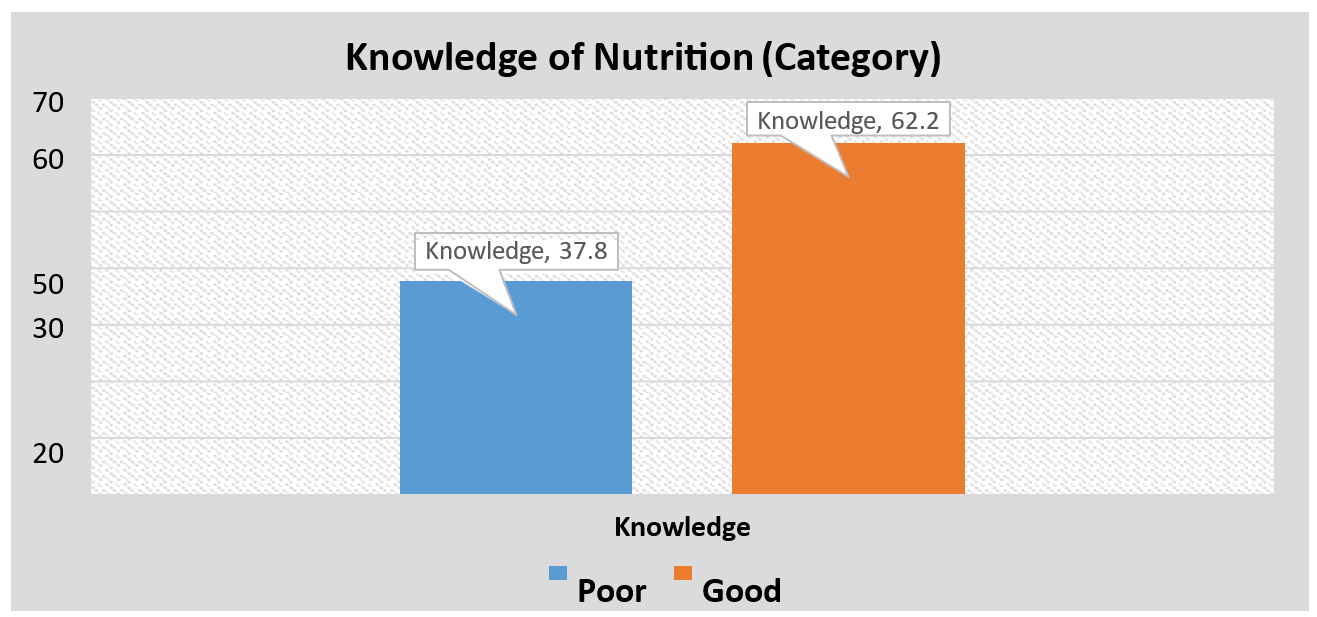
Figure 2. Overall status of nutrition knowledge (Category).
Discussion
The present study investigated the nutrition knowledge of students receiving sport education in Chittagong University considering whether they took nutrition class (3rd and 4th year students) and gender. In addition to the energy and food elements needed by regular university students, there are some extra requirements for sport types of these students. It is considered that people with inadequate knowledge of nutrition will also be unaware of additional nutrient needs. Very limited data or research findings exists that determines the current knowledge on nutrition among university students in Bangladeshi context. The present study investigated the nutrition knowledge in sports science students of Chittagong University, which is the first attempt to the best of our knowledge. The study was composed of 40 male and 5 female adolescent trainee (n=45) students of the department of Physical Education and Sports Science. The majority of the participants were of mixed descent, attending 3rd and 4th year of study and were in the “20-24” age range. The majority of our participants did not receive any nutrition training prior to the commencing of the study. Participants in this study receive information from a variety of sources. The most common sources were textbooks, teachers, and parents. Our result find consistency with Hoogenboom et al. [22]. The least common sources include trainers, doctors, and nutritionists. But in this research, the internet was the most common source of nutrition related information as per the response of study participants. Nearly half of the participants (48.9%) correctly answered the statement “eating carbohydrates makes you fat” as false. In another study, the majority of males (74.0%) and females (75.0%) correctly answered the same statement. The response to the statement of carbohydrates and the relationship between carbohydrates and body fat are encouraging, as many believe that those trying to improve body composition should avoid carbohydrates [15]. The sportsmen are inclined to think that sweets would provide quick energy just before competition. This prejudice may lead to relying on candy to provide the energy that should come from complex carbohydrates. The underlying goal of eating candies before exercise is to boost energy and minimize insulin surge that transports sugar out of the bloodstream into the muscles. Simple sugars induce high insulin, and when used before exercise, this can lower the blood sugar and elicit fatigue as well as lightheadedness associated with hypoglycemia [23,24]. A big proportion of the students (57.8%) correctly answered the statement “basic sugars like cube sugar, jam, and honey are the most suitable energy sources for sportsmen” as false. Carbohydrates are the source of muscle energy followed by fats and proteins, whereas vitamins, minerals, and water are also essential for health but do not provide energy [25]. It is important for athletes to consume enough carbohydrates to maintain blood glucose and to replace glycogen stores [26,27]. A vast majority of the participants (93.3%) correctly answered the statement “glycogen muscles store carbohydrate”. In a study carried out by Juzwiak and Ancona-Lopez [23], an important part of the participants (74.0%) gave correct answers to the statement “glycogen levels (stored carbohydrate) can affect the energy level available for exercise”. The general consensus among nutritionists is that calories from fat should be maintained at approximately 30% of energy intake [28]. There is no benefit for athletes in fat intake less than 15% or greater than 30% of total calories [29]. A significant proportion of the participants (82.2%) correctly answered the statement “fats have important roles in the body”. Body fats have many functions like providing fuel to most tissues, working as an energy reserve, insulating the body and nerve fibers, supporting, and protecting vital organs, lubricating body tissues, and creating an integral part of cell membranes [30]. Iron plays an important role in exercise as it is required for the formation of hemoglobin and myoglobin, which bind oxygen in the body, and for enzymes involved in energy production. Iron depletion (low iron stores) is one of the most prevalent nutrient deficiencies observed in athletes, especially in female athletes [28]. Many female athletes and non-athletes consume inadequate amounts of iron [31]. A vast majority participants (82.2%) correctly answered the statement “Iron- deficiency anemia results in a decrease in the amount of oxygen that can be carried in the blood”. Athletes should be screened periodically to assess iron status. Changes in iron storage (low-serum ferritin concentrations) occur first, followed by low-iron transport (low serum iron concentrations), and eventually result in iron deficiency anemia [29]. While the absorption ratio of iron in plant food is around 4-15%, it is 25-30% in meat [32]. In the present study, less than half of the subjects (22.2%) answered the statement “iron in meat is absorbed at the same rate as iron in a plant food” as false. Over half of the students (93.3%) correctly answered the statement “the body can synthesize vitamin D upon exposure to the sun”. The two primary sources of vitamin D are fortified foods like milk, and ultraviolet conversion in the skin, which produces the vitamin [26]. Over half of the students (68.9%) correctly answered the statement “vitamin supplementation is recommended for all physically active people” as false. The reason why the students could not answer the statement correctly at a higher rate can be attributed to the common idea that additional vitamins and minerals are useful. In a similar study, the rate of participants giving the same answer was found to be lower (10.0%) [15]. Athletes will not need vitamin-mineral supplements if they consume adequate energy from a variety of foods to maintain body weight [26]. A recent study has shown that the majority of college athletes (88.0%) used one or more nutritional supplements [33]. A smaller part of the participants (6.7%) answered the statement “skipping meals is justifiable if you need to lose weight quickly” as true. This indicated that skipping a meal was generally considered enough to lose weight. This situation demonstrates the fact that sportsman students should review their knowledge on nutrition. In a study carried out with adolescents and young male hockey players, a significant part of the participants (84.0%) stated that skipping meal was not a good way to lose weight [23]. Micronutrients, vitamins, and minerals also have an important role in the health of athletes. They are essential players in energy production, hemoglobin synthesis, bone health, immune function, and antioxidant activity [29]. More than half of participants (75.6%) correctly answered the statement “vitamins are good sources of energy” as false. In the previous studies, the rate of people having the correct knowledge on this matter was quite low [7,15,34]. Especially, the statements related to nutritional contents were answered at lower rates, which demonstrated the insufficiency of the education on nutrition or the short retention periods of education. Students did not have sufficient knowledge on nutrition, which was one of the main reasons affecting the performance of sportsmen; for this reason, the education system should be reviewed in this regard. Food that is easily digested and absorbed by the body should be preferred soon after the training. This includes fruit, bread, cereal, skimmed milk, yoghurt, juice, and sports drinks which are richer than carbohydrates and include low fat. On the other hand, some other foods including coke, chocolate, biscuits, chips, and lait crémeux should not be consumed as they are flatulent and remain in the stomach for a long time [24]. Only a small proportion of the participants (6.7%) students answered that “food like chocolate, biscuit and chips are not appropriate for consuming after the training”. This indicated that students did not have enough knowledge about the food they consumed after the training. Timing of food consumption based on the time of a competition or exercise event is important. The ability to perform and recover from exercise can be positively or negatively affected by dietary intake before, during, and after the event. The pre-event meal should be low in fat, fiber, and caffeine; moderate in protein; and high in complex carbohydrates and fluid. Meals are best consumed at least 3-4 hours before the competition to minimize gastric distress, nausea, vomiting, cramps, and sluggishness [23]. The majority of the students (73.3%) correctly answered the statement “the last meal should be consumed 3-4 hours before the competition”. Over half of the students (68.9%) correctly answered the statement “bananas are good sources of potassium”. Potassium is a cat ion, and the major intracellular electrolyte. It is the third most abundant mineral in the body and a component of muscle. Potassium is also needed for the maintenance of fluid balance [31]. There is 370 mg potassium in 1000 g banana [35]. A small part of the participants (31.1%) correctly answered the statement “males and females in the same age group spend the same amount of calorie during the same exercise”. The regular functions of the body like keeping the body warm and regulating the movements are ensured by proper amounts of energy intake. The energy requirement differs among conditions such as age, gender, body combination, body frame, temperature of the environment and diseases [36]. The low rate of correct answers for this statement demonstrated that the difference between gender was disregarded, which could be caused by lack of knowledge. As the sodium naturally found in the vegetables and cereals provides the daily requirement, there is no need to add extra salt except for special conditions. From this regard, less than half of the participants (28.9%) correctly answered the statement “salt is an essential part of a healthy diet” as false. Salt also has adverse effects on health, increasing blood pressure and causing edema in the body. Therefore, salt consumption should be restricted. Calcium is especially important for the building and repair of bone tissue and the maintenance of blood calcium levels. Inadequate dietary calcium increases the risk of low bone mineral density and stress fractures [29]. The majority of the students (73.3%) correctly answered that “milk and milk products are the best sources of calcium”. The high rate of correct answers indicated that the students were aware of the importance of calcium. In a study with female athletes, nearly all of the participants (92.0%) were found to know this fact which was consistent with the findings of the present study [37]. Water is the most necessary nutrient for the body, and it must be kept available at all times during practice and competition [38]. An athlete loses too much water due to dehydration and may have low performance and high risk of heat stroke [39]. Water consumption is important for sportsmen, and it was questioned with the statement of “dehydration decreases performance”, which was correctly answered by only 43.1%. In the study performed by Rosenbloom et al. [40], the rate of people having knowledge on this matter was more than twice as much as the rate determined in the present study. An important part of the participants (84.4%) correctly answered the statement “during the activity, feeling thirsty is an enough indicator of the need for liquid” as false. In a similar study, this ratio was 66.0% [23]. It is important for athletes to consume enough fluids throughout the day, during exercise and recovery periods of exercise [13,38]. More than two thirds of the fat should be in unsaturated forms. Because saturated fat is associated with heart disease, it is wise to reduce saturated fat intake. Foods high in saturated fats are of animal origin in general and include red meat and whole milk. Unsaturated fats are typically oils and soft or liquid at room temperature [38]. The amount of saturated fats in daily diet should be decreased and unsaturated fats should be cautiously consumed; however, only a small part of students (42.9%) correctly answered the false statement that “saturated and unsaturated oils both have equal effect on health”. An important proportion of the students (62.2%) correctly answered that “alcohol consumption can affect absorption and utilization of nutrients”. Many alcoholics are malnourished, either because they ingest too little essential nutrients (e.g., carbohydrates, proteins, and vitamins) or because alcohol and its metabolism prevent the body from properly absorbing, digesting, and using those nutrients [41]. In this study, the highest score was 21, which could be obtained when all the questions were correctly answered. However, the mean score of the participants was 13.67 ± 1.89, which was considered low and indicated the inadequacy of nutrition knowledge of students. In various studies, sportsmen’s nutrition knowledge was also reported inadequate [33,37,40,42]. On the other hand, there were some other studies determining nutrition knowledge adequate [23,43]. Considering the importance of nutrition for sportsmen, it is necessary to increase the knowledge of sportsmen and their trainers on nutrition. In this study, it was found that the mean knowledge scores of the female students were higher compared to male students. However, the difference was not statistically significant (p>0.05). In other studies, carried out by Rosenbloom et al. and Corley et al. it was determined that the nutrition knowledge did not vary according to gender [40,43]. In contrast, there were some other studies reporting that the knowledge levels of females were higher than males [44,45]. This discrepancy might be caused by the difference between the study groups. The mean nutrition knowledge scores of the fourth-year students were higher than those of the first-year students. The difference between the third- and fourth-year students was also not found statistically significant (p>0.05). Considering the fact that the fourth-year students took nutrition class, the importance of this information could become more evident. This was caused by the lack of knowledge. Increasing the education on nutrition will also increase the knowledge scores on this matter. Nutrition education should be more emphasized, and the permanency of the education should be provided.
Conclusion
The importance of nutrition education is increasingly recognized at present, and there is a consensus that people’s food choices, dietary practices, and physical activity behaviors influence health. The overall level of knowledge is at a satisfactory level among our survey respondents. More than half of them had a good level of knowledge about nutrition. We did not find any significant predictor for knowledge. We did not find any significantly associated variable for attitude towards nutrition. There were no major common sources of nutrition information among our participants. Very few of them reported about the internet, textbooks as their source of information regarding nutrition. This emphasizes the need for development and collaboration of sports nutrition curriculum in their regular education. Enough and balanced nutrition should be a perfect lifestyle and an eating habit for a sportsman. The number of courses related to nutrition should be increased in universities and the main objective in these courses should be to make the theoretical knowledge applicable in daily life. Experienced sportsmen and trainers should pursue ways to educate young people on how to select nutritious foods that will promote a lifetime of good health. Further studies evaluating the nutrition knowledge of amateur professional sportsmen, coaches, and even the people living with them might be useful.
Conflict of Interest
This was a self-funding study. There was no conflict of interest.
References
2. Grete RH, Carol AF, Jane EE, Kimberli P. Nutrition knowledge, practices, attitudes, and information sources of mid-american conference college softball players. Food and Nutrition Sciences. 2011 Apr 26;2011.
3. Beals KA, Manore MM. Nutritional status of female athletes with subclinical eating disorders. J Am Diet Assoc. 1998 Apr;98(4):419-25.
4. Jacqueline RB. Nutrition for Exercise and Sports Performance. In: Mahan LK, Escott-Stump S. Krause’s Food, Nutrition and Therapy. 10th Edition. W.B. Saunders; 2000.
5. Jeukendrup AE, Gleeson M. Sport Nutrition: An Introduction to Energy Production and Performance. United Kingdom: Human Kinetix; 2004
6. McArdle WD, Katch FI, Katch VL. Sports and Exercise Nutrition. Lippincott Williams & Wilkins; 2009.
7. Jacobson BH, Aldana SG. Current nutrition practice and knowledge of varsity athletes. The Journal of Strength & Conditioning Research. 1992 Nov 1;6(4):232-8.
8. Burke LM, Kiens B, Ivy JL. Carbohydrates and fat for training and recovery. Journal of Sports Sciences. 2004 Jan 1;22(1):15-30.
9. Croll JK, Neumark-Sztainer D, Story M, Wall M, Perry C, Harnack L. Adolescents involved in weight-related and power team sports have better eating patterns and nutrient intakes than non− sport-involved adolescents. Journal of the American Dietetic Association. 2006 May 1;106(5):709-17.
10. Rosenbloom CA, Skinner R. College Athletes. In: Dunford M, Ed. Sports Nutrition: A Practice Manual for Professionals. 4th edition. Chicago: The American Dietetic Association; 2006.
11. Petrie HJ, Stover EA, Horswill CA. Nutritional concerns for the child and adolescent competitor. Nutrition. 2004 Jul-Aug;20(7-8):620-31.
12. Kearney JM, McElhone S. Perceived barriers in trying to eat healthier–results of a pan-EU consumer attitudinal survey. British Journal of Nutrition. 1999 Jun;81(S1):S133-7.
13. Cotugna N, Vickery CE, McBee S. Sports nutrition for young athletes. The Journal of School Nursing. 2005 Dec;21(6):323-8.
14. Yilmaz E, Özkan S. Üniversite öğrencilerinin beslenme alışkanlıklarının incelenmesi. Fırat Sağlık Hizmetleri Dergisi. 2007;2(6):87-104.
15. Zawila LG, Steib CS, Hoogenboom B. The female collegiate cross-country runner: nutritional knowledge and attitudes. Journal of Athletic Training. 2003 Jan;38(1):67.
16. Rastmanesh R, Taleban FA, Kimiagar M, Mehrabi Y, Salehi M. Nutritional knowledge and attitudes in athletes with physical disabilities. Journal of Athletic Training. 2007 Jan;42(1):99.
17. O’Dea JA. Why Do Kids Eat Healthy Food? Perceived Benefits of and Barriers to Healthful Eating and Physical Activity among Children and Adolescents. Journal of the American Dietetic Association. 2004;103:497-501.
18. Ozdoğan Y, Ozcelik AO. Evaluation of the nutrition knowledge of sports department students of universities. Journal of the International Society of Sports Nutrition. 2011 Dec;8(1):11.
19. Beals A. Nutritional concerns of adolescent athletes. Nutritional Applications in Exercise and Sport. 2001:59-80.
20. Cupisti A, D’Alessandro C, Castrogiovanni S, Barale A, Morelli E. Nutrition knowledge and dietary composition in Italian adolescent female athletes and non-athletes. International Journal of Sport Nutrition and Exercise Metabolism. 2002 Jun 1;12(2):207-19.
21. Little JC, Perry DR, Volpe SL. Effect of nutrition supplement education on nutrition supplement knowledge among high school students from a low-income community. Journal of Community Health. 2002 Dec;27:433-50.
22. Hoogenboom BJ, Morris J, Morris C, Schaefer K. Nutritional knowledge and eating behaviors of female, collegiate swimmers. North American Journal of Sports Physical Therapy: NAJSPT. 2009 Aug;4(3):139.
23. Juzwiak CR, Ancona-Lopez F. Evaluation of nutrition knowledge and dietary recommendations by coaches of adolescent Brazilian athletes. International Journal of Sport Nutrition and Exercise Metabolism. 2004 Apr 1;14(2):222-35.
24. Ersoy G. Egzersiz ve spor yapanlar için beslenme. Nobel Basımevi. 2004.
25. Clark N. Nancy Clark's sports nutrition guidebook. Human Kinetics; 2019.
26. Manore MM, Barr SI, Butterfield GE. Position of dietitians of Canada, the American Dietetic Association, and the American College of Sports Medicine: Nutrition and athletic performance. Canadian Journal of Dietetic Practice and Research. 2000 Dec 1;61(4):176-92.
27. Lemon PW. Effects of exercise on dietary protein requirements. Int J Sport Nutr. 1998 Dec;8(4):426-47.
28. Yeung DL, Laquatra I. HEINZ Handbook of nutrition. United States. 9th edition. H.J. Heinz Company; 2003.
29. Rodriguez NR, DiMarco NM, Langley S. Position of the American Dietetic Association, Dietitians of Canada, and the American College of Sports Medicine: Nutrition and athletic performance. Journal of the American Dietetic Association. 2009 Mar 1;109(3):509-27.
30. Lutz CA, Przytulski KR. Nutrition and Diet Therapy. 3rd Edition. 29.
31. Driskell JA. Sports Nutrition. London: CRC Press; 1999.
32. Baysal A. Beslenme. Ankara: Hatipoğlu Yayınevi. 2007;244-253.
33. Burns RD, Schiller MR, Merrick MA, Wolf KN. Intercollegiate student athlete use of nutritional supplements and the role of athletic trainers and dietitians in nutrition counseling. J Am Diet Assoc. 2004 Feb;104(2):246-9.
34. Heredeen F, Fellers RB. Nutrition knowledge of college football linemen: Implications for nutrition education. Journal of the American Dietetic Association. 1999 Sep 1;99(9):A38.
35. Wilson ED, Fisher KH, Garcia PA. Principles of Nutrition. John Wiley and Sons.; 1979.
36. Merdol TK, Başoğlu S, Örer N. Beslenme ve diyetetik: açıklamalı sözlük. Hatiboğlu; 1997.
37. Perron M, Endres J. Knowledge, attitudes, and dietary practices of female athletes. Journal of the American Dietetic Association. 1985 May 1;85(5):573-6.
38. Kalpakçıoğlu BB. Nutrition in sportsmen. Archives of Rheumatology. 2008;23(1):24-7.
39. Coyle EF. Fluid and fuel intake during exercise. Journal of Sports Sciences. 2004 Jan 1;22(1):39-55.
40. Rosenbloom CA, Jonnalagadda SS, Skinner R. Nutrition knowledge of collegiate athletes in a Division I National Collegiate Athletic Association institution. J Am Diet Assoc. 2002 Mar;102(3):418-20.
41. Lieber CS. Relationships between nutrition, alcohol use, and liver disease. Alcohol Research & Health. 2003;27(3):220-32.
42. Dunn D, Turner LW, Denny G. Nutrition knowledge and attitudes of college athletes. The Sport Journal. 2007 Sep 22;10(4):.
43. Corley G, Demarest-Litchford M, Bazzarre TL. Nutrition knowledge and dietary practices of college coaches. J Am Diet Assoc. 1990 May;90(5):705-9.
44. Douglas PD, Douglas JG. Nutrition knowledge and food practices of high school athletes. Journal of the American Dietetic Association. 1984 Oct 1;84(10):1198-202.
45. Smith-Rockwell M, Nickols-Richardson SM, Thye FW. Nutrition knowledge, opinions, and practices of coaches and athletic trainers at a division 1 university. Int J Sport Nutr Exerc Metab. 2001 Jun;11(2):174-85.