Loading


Journal of Allergy and Infectious Diseases
ISSN: 2692-6334
Most Cited Articles
Building and implementing best practices for referral and management of severe asthma in Canadian healthcare
Godbout K, Bhutani M, Connors L, Chan CKN, Connors C, Dorscheid D, Dyck G, Kaplan AG, Reynolds J, Waserman S
Severe asthma (SA) is asthma that remains uncontrolled despite patient adherence to mainteneance therapies and management of contributing factors, or asthma which worsens when high-dose treatments are reduced. It is estimated that 5-10% of asthma patients in Canada have SA. The condition is a significant burden on patients’ quality of life, and is associated with increased number and severity of exacerbations, hospitalizations, and mortality
J Allergy Infect Dis, 2023, Volume 4, Issue 1, p4-8 | DOI: 10.46439/allergy.4.033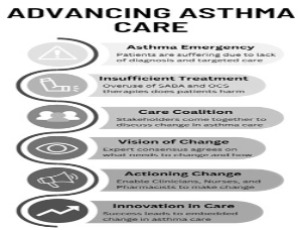
Monitoring clinical trials in infectious diseases
David L DeMets, Thomas R Fleming, Susan S Ellenberg
In early 2020, the contagious and deadly virus, SARS-CoV-2, was identified. The virus spread rapidly worldwide and was declared a pandemic by the World Health Organization (WHO) in March of 2020 [1]. While many who became infected remained asymptomatic, an alarming number of infected individuals developed severe symptoms, often requiring hospitalization and intensive care, or resulting in death.
J Allergy Infect Dis, 2021, Volume 2, Issue 1, p29-32 | DOI: 10.46439/allergy.2.019
Policy and law changes to address healthcare inequities for minority populations during COVID-19
Christina M. Williams, Rahul Chaturvedi, Rodney A. Gabriel
While other countries have begun to see a flattening of the Severe Acute Respiratory Syndrome – Coronavirus-2 (SARS-CoV-2) curve, the United States continues to see a rise in cases, with approximately 7.4 million confirmed cases to date. Even more worrisome, various news articles have begun to shed light on the healthcare inequities that have become increasingly more transparent during this crisis.
J Allergy Infect Dis, 2020, Volume 1, Issue 3, p49-52 | DOI: 10.46439/allergy.1.011
Possible therapeutic targets for SARS-CoV-2 infection and COVID-19
Nabab Khan, Nirmal Kumar, Jonathan D. Geiger
SARS-CoV-2 infection causes COVID-19, which has emerged as a health emergency worldwide. SARS-CoV-2 infects cells by binding to ACE2 receptors and enters into the cytoplasm following its escape from endolysosomes. Once in the cytoplasm, the virus replicates and eventually causes various pathological conditions including acute respiratory distress syndrome (ARDS) that is caused by pro-inflammatory cytokine storms.
J Allergy Infect Dis, 2021, Volume 2, Issue 3, p75-83 | DOI: 10.46439/allergy.2.028