Loading


Journal of Case Reports and Clinical Studies
ISSN: 3071-2459
Latest Articles
Tuberculous pericarditis with cardiac tamponade in a patient receiving adalimumab
Anastasija Zaicenko , Liga Kuksa , Evija Zarovska
Background: Tuberculous pericarditis is a rare manifestation of tuberculosis in developed countries and poses a significant diagnostic challenge due to its nonspecific clinical presentation. Immunocompromised individuals, particularly those receiving tumor necrosis factor-alpha (TNF-α) inhibitors, are at substantially increased risk of developing tuberculosis. Therefore, screening for tuberculosis infection and active disease is essential prior to initiating biological therapy.
J Case Rep Clin Stud, 2026, Volume 2, Issue 1, p1-7 | DOI: 10.46439/casereports.2.012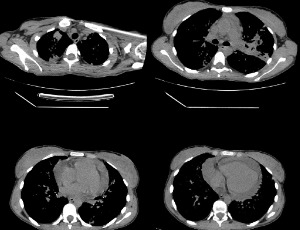
Susac syndrome in association with anti-GAD-65 antibodies
Anas Mohammed Alamri , Omar Sanad Aldhafeeri , Abdullah Helal Almotairi , Jehad Ahmed Alabdulminaim , Abdulrahman Abullah Aljebreen , Farah Fayez Alfayez
Susac syndrome is a rare autoimmune endotheliopathy characterized by encephalopathy, branch retinal artery occlusion (BRAO), and sensorineural hearing loss (SNHL). Due to its diverse presentation, it is often misdiagnosed. We report a case of a 22-year-old female with progressive neurological symptoms, hearing loss, and cognitive dysfunction. Brain MRI revealed characteristic corpus callosum “snowball” lesions, and further investigations confirmed BRAO and SNHL.
J Case Rep Clin Stud, 2026, Volume 2, Issue 1, p8-13 | DOI: 10.46439/casereports.2.013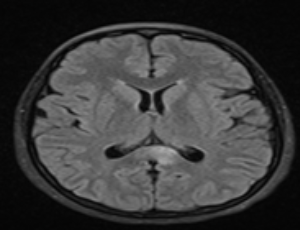
Divergent outcomes in twins with bilateral adrenalectomy and COVID-19: importance of stress-dose steroids
Dillon Bille
Patients with primary adrenal insufficiency require stress-dose glucocorticoids during acute illness to prevent adrenal crisis. We report twin patients with von Hippel–Lindau syndrome status post bilateral adrenalectomy who presented concurrently with symptomatic SARS-CoV-2 infection but experienced markedly different clinical courses based on adherence to stress-dose steroid recommendations.
J Case Rep Clin Stud, 2026, Volume 2, Issue 1, p14-17 | DOI: 10.46439/casereports.2.014