Loading


Journal of Clinical Anesthesia and Intensive Care
ISSN: 2767-3367
Latest Articles
Systemic lidocaine in bariatric surgery: advances and perspectives in anesthesiology and multimodal pain management – a commentary
Timur Yurttas , Sebastian Jud , Miodrag Filipovic
Patients undergoing bariatric surgery have increased vulnerability to opioid-related adverse events, making multimodal and opioid-sparing strategies a clinical priority. Evidence for perioperative systemic lidocaine in bariatric surgery is controverse; pooled benefits in meta-analyses coexist with neutral findings in some contemporary randomized trials.
J Clin Anesth Intensive Care, 2026, Volume 6, Issue 1, p1-5 | DOI: 10.46439/anesthesia.6.027
Antidepressants in intensive care survivors: neuroimmune modulation, clinical outcomes, and translational implications
Durairaj Ragu Varman , Fairen Angelin Jayakumar
Neuropsychiatric sequelae following critical illness are increasingly recognized as major determinants of long-term morbidity and mortality. Depression affects approximately one-third of intensive care unit (ICU) survivors and contributes significantly to post-intensive care syndrome (PICS). Recent epidemiological data demonstrate substantial initiation of antidepressant therapy following ICU discharge, while clinical cohort studies confirm a high burden of depressive symptoms among survivors.
J Clin Anesth Intensive Care, 2026, Volume 6, Issue 1, p8-11 | DOI: 10.46439/anesthesia.6.029
Artificial intelligence and the depersonalization of medicine
Barry Swerdlow
I have only written one other editorial that was not purely scientific. It followed shortly after my fortieth medical school reunion and lamented for a past time when the “primary, secondary, tertiary, and quaternary” [1] goals of medicine were patient care and physicians expected (and therefore made time) to talk with patients and examine them in a manner commensurate with those goals.
J Clin Anesth Intensive Care, 2026, Volume 6, Issue 1, p6-7 | DOI: 10.46439/anesthesia.6.028
Prehospital anesthesia-led resuscitation during traumatic cardiac arrest following prolonged extrication: a case report
Alexis Martinez , Michael Broussard , Mary Scott-Herring
Background: Traumatic cardiac arrest during prolonged extrication presents significant physiologic challenges. While prehospital care traditionally relies on emergency medical services personnel, select systems deploy hospital-based teams capable of delivering advanced anesthetic and resuscitative interventions at the scene.
J Clin Anesth Intensive Care, 2026, Volume 6, Issue 1, p12-14 | DOI: 10.46439/anesthesia.6.030
Perioperative management of total pelvic exenteration with extended endo-pelvic resection in recurrent uterine sarcoma with major vascular involvement: A case report
Anand Murugesan , Srikanth Tanjore , Srivathsan Ramani , Rajarajan , Arun Karthik , Prethiv Raj Mohan , Kumar Gubbala
Total pelvic exenteration with extended endo-pelvic resection is an extensive oncologic procedure associated with prolonged operative duration and major blood loss. Perioperative management becomes more complex when the tumor involves large vessels. We report the perioperative management of a 54-year-old hypertensive woman with recurrent uterine sarcoma (low grade stromal sarcoma) who underwent the procedure.
J Clin Anesth Intensive Care, 2026, Volume 6, Issue 1, p15-21 | DOI: 10.46439/anesthesia.6.032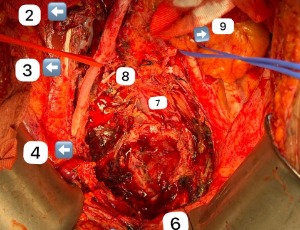
Intranasal dexmedetomidine–ketamine combination for pediatric MRI sedation: A case series with dose-finding analysis
Listyo Lindawati Julia , Arif HM Marsaban , Christopher Kapuangan
Pediatric MRI sedation often requires atraumatic, needleless techniques to facilitate IV access and minimize anxiety. We aimed to evaluate the efficacy and safety of intranasal dexmedetomidine (DEX) 2 mcg/kg combined with intranasal ketamine (KET) in a dose-finding case series of 50 children aged 2–5 years undergoing elective MRI.
J Clin Anesth Intensive Care, 2026, Volume 6, Issue 1, p22-25 | DOI: 10.46439/anesthesia.6.033