

Abstract
All across the globe, plants are used for food and various ailments. In the Indian traditional medicinal system, Ayurveda, the use of plants has been mentioned during the surgical process as well as in post-operative care. The regular use of plants in the diet is a part of this ancient medicinal system, and today, globally, much emphasis is laid on ensuring the availability of a nutritious and healthy diet. The regular intake of herbs in the diet acts as preventive care from various diseases. The term surgery is very broad and does not involve only one type of treatment. The patient care is done in the pre- and post-surgery period to ensure speedy recovery. The use of edible plants in many forms helps easy recovery from these operative processes. However, the scientific validation of these Indian traditional methods and uses is still the need of the hour. The current development in herbal chemistry research has led to the development of drug-eluting sutures, herbal supplements to minimize the side effects of NSAIDs taken during /post-surgical treatment. The development of plant-based pain-relieving supplements to get relief from bone fracture pain or pain occurring during the recovery process is also in progress. Besides these, the effect of aromatic and foliage plants is also being studied to monitor the psychological parameters of patients in hospitals before or after surgical treatments. The present article aims to highlight the role of edible plants commonly used during pre- and post-surgery. Although identifying the exact and precise mechanism behind their possible role is quite challenging. The ongoing research will definitely bring out the scientific validation of these traditional inputs of edible plants in the near future.
Keywords
Edible plants, Pre- and post-surgery, Bone fracture, Herbal supplements
Introduction
Since Vedic times in India, plants have been used for edible, medicinal and many other household purposes. The vegetation in India ranges from xerophytes to alpine trees and is commonly included in the stable diet of locals. Approximately 800 varieties of wild plant species are consumed here in one or another form, and many of them are consumed as vegetables. The crops used mainly as vegetables have been less documented, although India ranks second in area (10.86 million hectares), producing 200.45 million tons of vegetables in the world [1]. Today, plants are considered an important source of nutraceuticals and medicinal foods. In a recent study conducted by Joshi et al. [2] 156 plant species used for making different types of vegetable preparations. These edible plants are also used medicinally for the treatment of various ailments occurring in various parts of the body (Figures 1 and 2). These species belonged to 56 families comprising 151 genera. The maximum number of genera were from Fabaceae (17) followed by Cucurbitaceae and Apiaceae (10), Brassicaceae and Lythraceae (9), Lamiaceae (8), Asteraceae (7), Rutaceae and Malvaceae (5) Apocyanaceae, Amaranthaceae, and Araceae comprised four different genera, and Solanaceae, Poaceae and Zingerbaceae had 3 different genera. The Indian vegetable preparation includes various plant parts, i.e., aerial parts, stem, leaf, and flower. These parts are also used medicinally for the treatment of various ailments. The data collected by Joshi et al. 2024 showed that, the plants used as vegetables in India were also commonly used as medicine for cuts and wounds - Abelmoschus esculentus (L.) Moench - lady finger, Alternanthera sessilis(L.)DC.- Salakalyani, wounds (Bambusa bambos (L.) Voss – bamboo, Camellia sinensis (L.) Kuntze -macha,Citrullus colocynthis (L.) Schrad.,-gavaksi, colocynth., Cucurbita moschata Duchesne -squash, Luffa acutangula (L.) Roxb., -ridge gourd, Luffa aegyptiaca Mill., -gourd,Cordia myxa L.), wounds of urinary tract (Carica papaya L.,-papaya), bone fracture (Cissus quadrangularis L.,-vajralata, hadajoda, veldt grape) etc. However, the mode of preparation and administration varies locally depending on the traditional knowledge available and comes out to be out of scope of this paper [2].
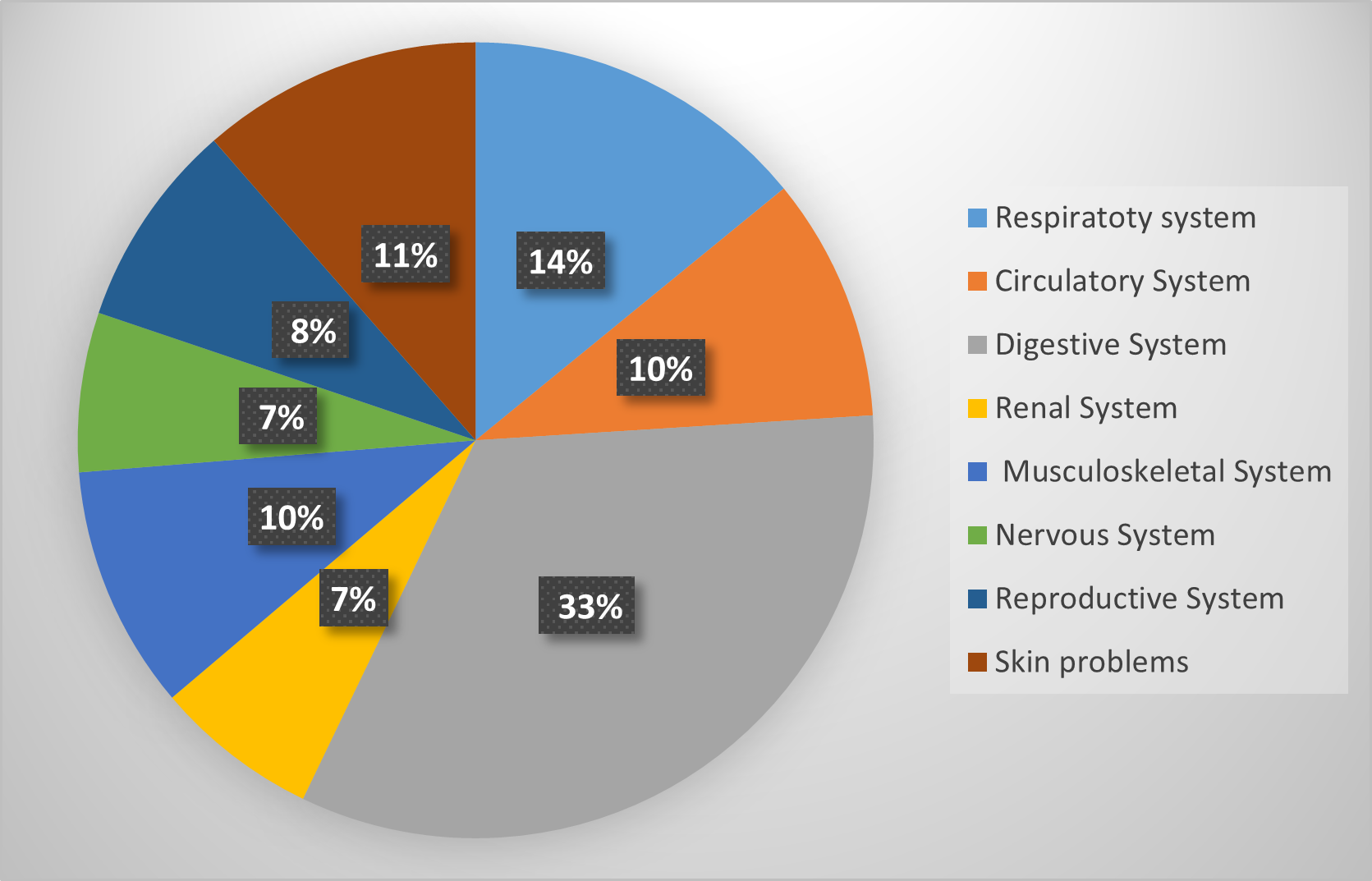
Figure 1. Percentage of vegetable plant species used for different organ systems of the body.
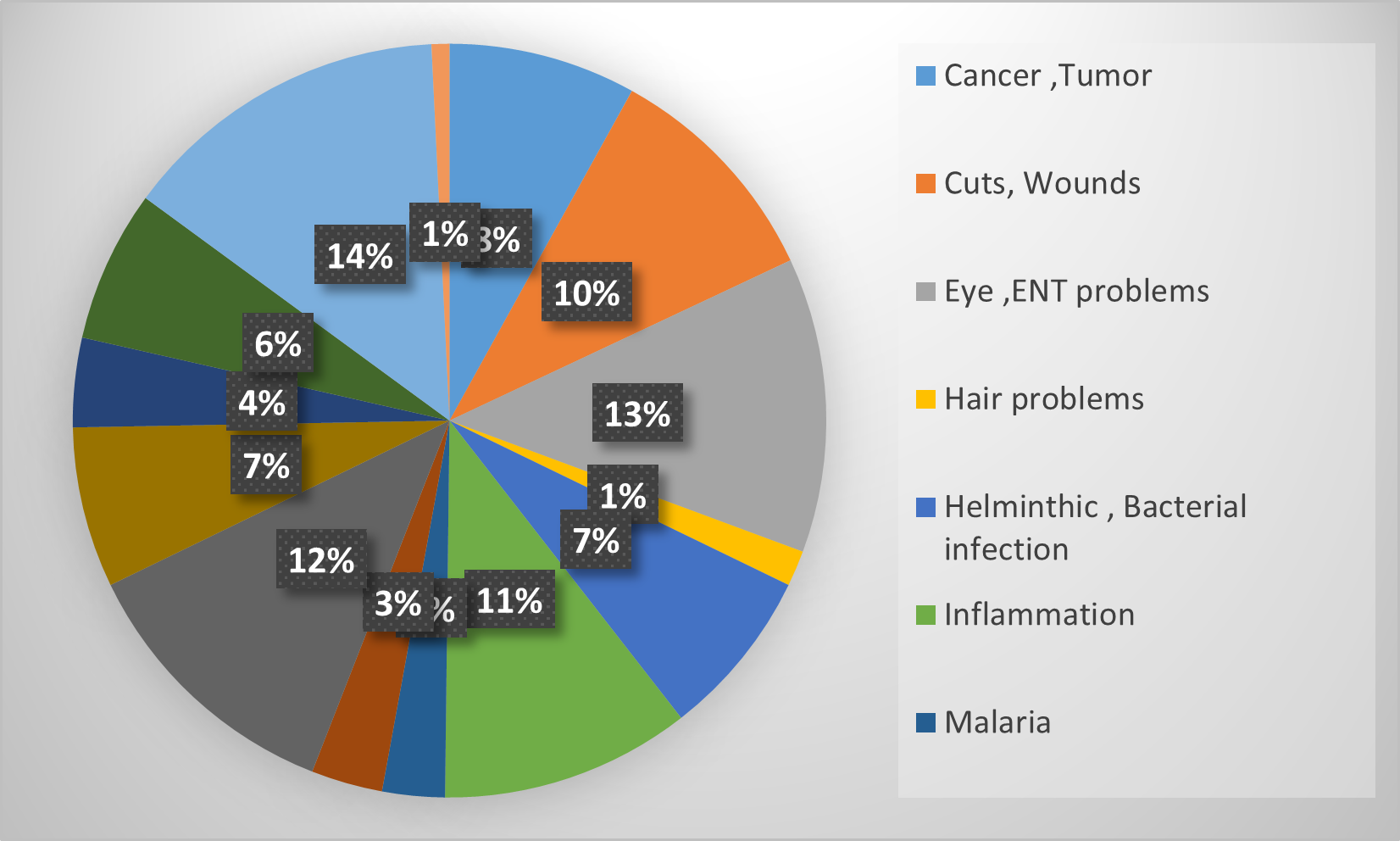
Figure 2. Percentage of vegetable plant species used for various ailments.
Methodology
The initial screening of the edible plants used for the preparation of vegetables was conducted from various ancient texts available in the library of the University of Patanjali and Patanjali Research Foundation, Haridwar India. Approximately 896 plant species were selected, which are commonly used in Indian cuisines. The botanical names of these species were identified by using ‘The Plants of the World Online (POWO)’. The screening of these edible plant species was done for their medicinal attributes using various search engines such as Google Scholar, PubMed etc. One hundred fifty-six plant species were identified for their medicinal usage and were well documented and published [2]. A further screening of these 156 plants was done to find their usage during surgery or post care management. Besides the plants used as vegetables in India, an emphasis was also laid on acknowledging the plants used for the same purpose in other countries. The various scientific platforms were screened to line up the article.
Plants Used in Traditional Medicinal Systems for Surgery
The traditional ancient medicinal system of India, Ayurveda, very well describes the various surgical procedures, including incisions, foreign body extraction, fracture reductions and even surgical procedures for obstructed labor [3]. These techniques are well documented in Sushruta Samhita written by Sushruta (600 BCE) and even today are used by many Vaidya (Ayurvedic practitioners). In Ayurveda application of leaves of a plant (patradana) was used for effective recovery from various types of medical ailments [4]. In an ocular therapeutic procedure (Tarpana kriya) plants like Glycyrrhiza glabra L. (Yashtimadhu), (Malaxis acuminate Syn -Crepidium acuminatum (D.Don) Szlach. (Jeevak), Microstylis muscifera (Lindl.) Kuntze (Rushabhak), Nymphaea nouchali Burm.f. (Neel Kamal, Blue Lotus) are processed with clarified butter (ghrita) prepared from goat's milk, to form a medicated paste. This paste is used for ocular injuries to promote healing of delicate ocular tissue, reduce eye inflammation, and in the management of various types of eye trauma [5]. The medicated paste prepared from Withania somnifera L. Dunal (ashwagandha), Achyranthes aspera L., (apamarg) and clarified butter are applied to the ulcer to enhance healing and support the elevation of depressed tissue [6]. Sometimes the bark of Callicarpa macrophylla Vahl (priyangu), Mallotus philippensis (Lam.) Müll.Arg. (rohini), Saraca asoca (Roxb.) W.J.de Wilde (ashoka), Symplocos racemosa Roxb. (lodhra), Terminalia anogeissiana Gere & Boatwr. (dhava), and Vateria indica L. (sarjaras), flowers of Woodfordia fruticosa (L.) Kurz (dhataki), a combination of fruits of Phyllanthus emblica L. Terminalia bellirica (Gaertn.) Roxb., and T. chebula Retz, (triphala) are powdered and applied with clarified butter when the ulcer is soft [7]. Not only in India but in other traditional medicinal systems of the world, the edible plants are used for wound healing and post-surgical processes. In the traditional medicinal system of Nigeria, the stem bark juice of Prosopis africana (Guill., Perrott. and Rich.) Taubert is applied to wounds to clean them and also as an astringent. Its bark paste is used as a dressing for wounds. Its boiled seeds are used as a poultice externally to relieve a sore throat. However, fermented seeds are used as a seasoning agent in food preparation [8]. In Ghana, the indigenous people use plants like Psidium guajava L., Myrianthus arboreus P. Beauv., Alchornea cordifolia (Schumach. & Thonn.) Müll.Arg., Momordica charantia L. and Justicia flava (Forssk.) Vahl. for wound healing. However, the potential of these plant extracts to develop as topical antibiotics is under-explored. The plants like Pupalia lappaceae (A.) Juss, Stephania dinklagei (Engl.) Diels, Phyllanthus muellerianus (Kuntze) Exell, Lannea welwitschii (Hiern) Engl., Justicia falava (Forssk.) Vahl, are extensively studied in Africa for their wound healing properties [9].
Existing Plant-Based Scientific Research
The surgical procedures are performed for removing/treating/cleaning any unwanted cells, tissues and even organs from the body of the patient to remain disease-free. The common surgical practices involves breast biopsy, appendectomy, cataract surgery, carotid endarterectomy, Cesarean section, debridement of burn, wound or infection, coronary artery bypass, skin grafting, dilation and curettage, hysterectomy, hemorrhoidectomy, hysteroscopy, mastectomy, low back pain surgery, partial colectomy, tonsillectomy, prostatectomy and many more to count as human body is a complete organization and few treatments can only be fulfilled after surgical procedures depending on many factors [10]. The use of plants is common among surgical patients, and it was found that 22–60% of adult patients and 12.9% pediatric patients use plants in some or other form during or after surgery [11,12]. In general, plants can be used pre- or post-surgical processes and even during surgery as mentioned in Ayurveda. However, in pre- and post-surgical treatment, much emphasis is laid on the nutritive value of food along with the insight mechanism involved for the curing /treatment process. The numerous ongoing scientific studies help to assess the detailed mechanism and highlight the role of certain phytochemicals during the healing process. The sutures play an important role in surgery as a means of cessation, tissue approximation, and lacerations are an inherent segment of it. Globally, each year, more than 300 million surgical procedures are carried out [13]. The innovative research in developing more developed sutures has led to making use of natural materials, including plant-based suture materials. In a few research studies conducted so far, some of the plants and their parts have been found useful as good material for drug-eluting suture material. The plants like Aloe vera (L.) Burm.f. Azadirachta indica, Boehmeria nivea (L.) Gaudich., Cocos nucifera L., Commelina benghalensis L., Curcuma longa L., Lawsonia inermis L., Linum usitatissimum L., Matricaria chamomilla, Moringa oleifera Lam., Nepeta dschuparensis Bornm., Syzygium cumini (L.) Skeels. Tinospora cordifolia (Willd.) Hook.f. & Thomson, and Trigonella foenum-graecum L., are being widely studied for their potential to be used for the drug-eluting suture material [14]. In a retrospective review, the efficacy of plant-derived (a mixture of Hypericum perforatum and neem oil -Azadirachta indica) wound dressing was evaluated in scalp wounds with exposed wounds. In 67% of the patients, a rapid induction of granulation of tissue was found after 4 weeks, and 5% of them also showed a reduction in exposed bone surface. To change dressing was easy and without pain and any complications [15]. In many research, plants such as Achillea kellalensis Boiss. & Hausskn. (Yarrow), A. millefolium L. (common yarrow), Allium sativum L. (garlic), Aloe littoralis (L.) Burm.f. (aloe), Althaea officinalis L. (marshmallow), Artemisia sieberi Besser (wormwood), Astragalus gummifer Labill. (gum tragacanth), Camellia sinensis (L.) Kuntze (green tea), Cydonia oblonga Mill. (quince), Echium amoenum Fisch. & C.A.Mey. (borage), Elaeagnus angustifolia L. (silver berry), Glycyrrhiza glabra L. (liquorice), Hypericum perforatum (St. John's wort), Linum usitatissimum L. (flax), Lotus corniculatus L. (birds foot treefoll), Malva sylvestris L. (tall mallow), Matricaria chamomilla L. (chamomile), Myrtus communis L. (Common Myrtle), Olea europaea L.(olive), Peganum harmala L. (wild rue), Pistacia atlantica Desf. (Mount Atlas pistache), Plantago lanceolate L. (plantain), Punica granatum L. (Pomgranate), Quercus brantii Lindl. (West oak), Quercus persica Jaub. & Spach, Sesamum indicum L. (sesame), Silybum marina (L.) Gaertn. (milk thistle), Stachys lavandulifolia Vahl (betony), Verbascum thapsus L. (common mullein), Vitis vinifera L. (grape vine), have been widely studied for their healing activity on experimental surgical wounds. Some of these plants as yarrow, garlic, marshmallow, green tea, quince, silver berry, St John’s wort, flax, common myrtle, olive, pomegranate, sesame, milk thistle, betony, and grapes, are also edible in many forms and are widely consumed [16,17].
In researches conducted so far the extract of Epimedium sagittatum prove to help in repair of critical calvarias defects, grape seed extract supplement increased bone callus formation and mechanical strength in an animal study, the Nigella sativa seed extract showed improvement in bone healing in an experimental model, Tanshinol alleviated osteoporosis and myopathy in glucocorticoid-treated rats, root bark of Sambucus williamsii Hance was found to promote healing of femoral fracture in rats by BMP-2/Runx2 signaling pathway, irrespective of their production method, phytochemical present, formulations, antimicrobial activity, possible side effects etc. The efficacy of these plant extracts have been found effective in incision, excision, dead space and burn wound models [18,19]. However, scientists are also working on the plants which are not recommended before the surgical process as they contain certain compounds such as salicylate, coumarins etc, which directly or indirectly affect the bleeding during surgery. Some plants like Ananas cosmosus (bromelain), Scutellaria baicalensis (Chinese skull cap, and Capsicum frutescens (cayenne fruit) inhibit platelet function so are not recommended for dietary intake during surgical tenure [20].
Post-operative care and management using plants
The post-operative care and recovery include treatment of pain, intake of high-energy food so that physical symptoms of surgery are decreased, and the person regains function and reestablishes its normal activities. However, the recovery process also includes treatment of postoperative depression and cognitive dysfunction among patients. For any type of surgical process, the prime focus remains on wound healing and the recovery of patients. The food consumed post-surgery should be light and nutritious to regain strength. However, the requirement largely depends on the type of surgery performed, gender, age, height, weight of the patient, along with other pre-medical conditions of patient. The dietary recommendations are often based on either inheritance from traditional knowledge, based on some relevant ancient source. However, today this concept needs case reports, clinical trials or even animal studies and considers these studies essential to support the safety and efficacy of the dietary supplements. But still in many countries like India, the traditional information passed through generations becomes an excellent source to use plants for the treatment of various ailments, although modern research is also being carried out to scientifically validate these. In Ayurveda, much emphasis is laid on diet (Aahara). In Ayurveda texts, and religious scriptures as the Bhagavat Gita description of Sattvik, Rajasic (energy-providing food) and Tamasic (energy-decreasing, making lethargic ) diet is mentioned.
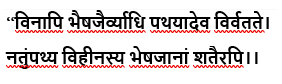
All types of diseases can be cured by proper dietary habits and regimen, and no medicine will be required. Taking unhealthy diet cannot help in preventing disease and cannot be cured by only consuming medicine. The consumption of a pure and healthy diet makes the mind pure and a person improves their concentration, thus possessing and holding control over their senses. The diet should be balanced, comprising carbohydrates, vitamins, proteins, fats and minerals and should be easily digestible, non-stimulating. Such a type of food increases lifespan, memory power, various feelings of the mind such as courage, kindness, cooperation etc. The body-building food (protein) as beans, lentils, and nuts, should be added more to the diet; however, the included food items should also be easy to digest. Berries help to prevent inflammation, oxidation and allergy, so are beneficial after post-surgery. Cranberries are recommended after heart surgery, especially to reduce pain [21]. Citrus fruits like lemon and oranges are rich in ascorbic acid (vitamin C), which is good for the immune system. Apples possess phytochemicals which help in inhibiting cancer-producing cells, reduce cholesterol levels, and reduce the risk of heart disease and also help to prevent the risk of chronic diseases. Ginger possesses phytochemicals which possess antibacterial activity and help to resist the risk of disease. It can be consumed in the form of herbal tea or consumed with food as a spice, and can even be eaten raw with some vinegar as a salad. It helps to reduce nausea symptoms and maintain blood pressure. It is also recommended for cancer patients undergoing chemotherapy [22]. Turmeric powder in the diet helps to reduce pain occurring as a result of anesthesia during a surgical procedure. In India, it is widely used in the preparation of vegetables and curry. However, it is also consumed along with honey and milk to boost immunity. The patients undergoing surgery and postpartum women are commonly given turmeric powder in their diet or with milk to reduce pain and heal wounds. Similarly, oatmeal is recommended in diet as it helps in digesting food easily and proves to be good for improving health [24]. Mushrooms contain compounds which act as prebiotics, stimulating the growth of gut bacteria, thereby maintaining digestion and health [25]. Some of the specific plants in the form of various herbal supplements are used by cancer patients in the preoperative period. One of the most popular herbal supplements used by cancer patients is prepared from the combination of ginseng, ginger, and ginkgo as it is helpful in modulating coagulation [26]. In a study conducted by Wang et al. [27], dietary supplements which contained ginger, garlic, ephedra, ginseng, Echinacea, green tea, St John’s wort, valerian, ephedra ginkgo as constituents were found to be effective in blood coagulation and platelet function. Besides the use of plants as a direct supplement, many of the plants are used for their anti-inflammatory and antioxidant effects. The phytochemicals found in fruits and vegetables, including polyphenols, carotenoids, phytosterols, and polysaccharides, provide therapeutic benefits. The use of Nonsteroidal anti-inflammatory drugs (NSAIDs), to get immediate relief from pain following fracture or during the postoperative period, causes many side effects [28]. The edible plants such as Alangium salvifolium(L. f.) Wangerin, Ampelocissus latifolia (Roxb.) Planch, Ampelocissus barbata (Wall.) Planch., Bacopa monnieri (L.) Wettst., Cucumis prophetarum L., Curcuma aromatica Salisb., Curcuma caesia Roxb., Curcuma longa L.,Eurya acuminate DC., Euryale ferox Salisb., Oryza sativa L., Phoenix loureiori Kunth, Nelumbo nucifera Gaertn., Piper longum L., Prunus cerasoides Buch.-Ham. ex D. Don, Syzygium cumini (L.) Skeels, Syzygium malaccense (L.) Merr. & L.M.Perry, Syzygium nervosum DC., Syzygium salicifolium J.Graham, Syzygium samarangense (Blume) Merr. & L.M.Perry, Terminalia catappa L., Vachellia nilotica subsp. tomentosa (Benth.) Kyal. & Boatwr., Vicia lens (L.) Coss. & Germ., Zingiber officinale Roscoe are widely consumed in the form of various preparations during recovery from bone fracture f [29–32]. Nowadays many hospitals and recovery centers are focusing on the mental health of patients after recovery from the surgical process. The various foliage and flowering plants are widely used for this treatment practice along with herbal supplements. In a study, the medical and psychological measurements of female patients recovering from thyroidectomy were randomly assigned to either control or plant rooms. The plants selected for rooms were Dendrobium bigibbum var. superbum Rchb.f. (dendrobium), Howea forsteriana (kentia palm), Spathiphyllum cochlearispathum (Liebm.) Engl. (peace lily), Syngonium podophyllum Schott (arrow head vine), Epipremnum aureum (Linden & André) G.S. Bunting (golden pothos), Pteris cretica L. (cretan brake fern), Trachelospermum asiaticum (Siebold & Zucc.) Nakai (yellow star jasmine), Vinca minor L. (variegated vinca). The patients were not disturbed by plant maintenance during hospitalization. The plants were grown under suitable conditions for their growth. The patients in rooms with plants showed significantly lower rates of pain, anxiety, fatigue, less need for analgesics, and possessed more positive feelings, shorter hospitalization, and more satisfaction about their hospital rooms as compared without plants [33]. A study was conducted at a regional Scottish hospital to explore the use of complementary and alternative medicine in patients attending vascular, cardiothoracic and general units. It was found that 69% of patients in surgical wards had used CAM, and 46% had used it a year before hospital admission. It was found that old age group people with higher incomes were more likely to use these therapies, which included herbal remedies and other therapies before and after their surgical treatment. Cod liver oil was used for joint and bone pain, primrose oil, Aloe vera for skin, garlic for cardiovascular ailments, ginseng for energy, Ginkgo biloba, valerian, St John’s wort for neurological problems, including depression, insomnia, batch flower remedy for relaxation, Senna for constipation [17].
Research Gaps and Limitations
The intake of any type of herbal supplement prepared from various plant parts should be checked for any type of adverse effects before its consumption. Any type of specific allergic response to a plant should also be considered. The stability testing and pharmacokinetic assessments of these herbal supplements or any specific food item are crucial to ensure the shelf life and safety of the product. Physicians should document the response of the patients about the usage of herbal medicines and should make them aware of all the pros and cons of using herbal medicine during surgery or post-surgery in the recovery phase. The dietary intake of herbal supplements regularly to cure any surgical wound or any other specific part is not very well documented. More extensive research requirements are needed.
Conclusion
Across the globe, plants are widely used in traditional medicinal systems as complementary and alternative medicine. In the traditional medicinal system of India, Ayurveda, much emphasis is laid on healthy dietary habits. The use of plants during the surgical process, for cuts and wounds, is very well documented in Sushruta Samhita (an ancient text of Ayurveda). The edible plants are also consumed as post-operative care and even during a bone fracture. However, less documentation of these types of studies creates a challenge for scientists. The scientific principles hidden behind all these treatments and postoperative care to elucidate are essentially required. The present article aims to highlight the use of Indian vegetable plants that are being used during surgery or even as post-surgical process. Not much scientific research has been conducted in this area, which makes this article a very preliminary step in this area. However, many of the plants described in this text are being widely used as functional foods, herbal supplements, etc, for gaining health and vigor. These types of formulations are gaining popularity. The daily intake of plants with their phytochemicals will definitely help to combat diseases. However, detailed investigations should be carried out into other quality and safety parameters.
Acknowledgements
The authors are thankful to Swami Ramdev Ji Maharaj for his continuous support and blessings.
References
2. Balkrishna A, Shankar R, Joshi RA, Srivastava A, Prajapati UB, Saini N. Common Indian vegetables medicinally acclaimed for retaining health and vigor: a review. Discov Food. 2025 Jul 1;5(1):209.
3. Bath K, Aggarwal S, Sharma V. Sushruta: Father of plastic surgery in Benares. Journal of medical biography. 2019 Feb;27(1):2–3.
4. Kansupada KB, Sassani JW. Sushruta: the father of Indian surgery and ophthalmology. Doc Ophthalmol. 1997 Mar;93(1):159–67.
5. Sharma A. Sushruta Samhita, Chikitsasthan, Chapter 2, Shloka 83. Varanasi: Chaukhamba Surbharati Prakashan; 2015.
6. Sharma A. Sushruta Samhita, Chikitsasthan, Chapter 1, Shloka 90-93. Varanasi: Chaukhamba Surbharati Prakashan; 2015.
7. Sharma A. Sushruta Samhita, Chikitsasthan, Chapter 1, Shloka 101. Varanasi: Chaukhamba Surbharati Prakashan; 2015.
8. Ezike AC, Akah PA, Okoli CO, Udegbunam S, Okwume N, Okeke C, et al. Medicinal Plants Used in Wound Care: A Study of Prosopis africana (Fabaceae) Stem Bark. Indian J Pharm Sci. 2010 May;72(3):334–9.
9. Owusu E, Ahorlu MM, Afutu E, Akumwena A, Asare GA. Antimicrobial Activity of Selected Medicinal Plants from a Sub-Saharan African Country against Bacterial Pathogens from Post-Operative Wound Infections. Med Sci (Basel). 2021 Mar 31;9(2):23.
10. Johns Hopkins Medicine. Common surgical procedures. Baltimore (MD): Johns Hopkins Medicine; 2026 Jan 6 [Retrieved August 22 , 2025]. Available from https://www.hopkinsmedicine.org/health/treatment-tests-and-therapies/common-surgical-procedures.
11. Norred CL. Complementary and alternative medicine use by surgical patients. AORN J. 2002 Dec;76(6):1013–21.
12. Lin YC, Bioteau AB, Ferrari LR, Berde CB. The use of herbs and complementary and alternative medicine in pediatric preoperative patients. J Clin Anesth. 2004 Feb;16(1):4–6.
13. World Health Organization. Patient safety. Geneva: World Health Organization; 11 Sep 2023 [Retrieved @2 August 2025]. Available from: https://www.who.int/news-room/fact-sheets/detail/patient-safety.
14. Gupta V. Potential of natural plant-based materials in the development of biocompatible drug-eluting surgical sutures: a review. Biomed Mater Devices. 2025 Sep;3(2):1125–49.
15. Läuchli S, Hafner J, Wehrmann C, French LE, Hunziker T. Post-surgical scalp wounds with exposed bone treated with a plant-derived wound therapeutic. J Wound Care. 2012 May;21(5):228, 230, 232–3.
16. Shedoeva A, Leavesley D, Upton Z, Fan C. Wound healing and the use of medicinal plants. Evid Based Complement Alternat Med. 2019;2019(1):2684108.
17. Shakeel M, Bruce J, Jehan S, McAdam TK, Bruce DM. Use of complementary and alternative medicine by patients admitted to a surgical unit in Scotland. Ann R Coll Surg Engl. 2008 Oct;90(7):571–6.
18. Derakhshanfar A, Moayedi J, Derakhshanfar G, Poostforoosh Fard A. The role of Iranian medicinal plants in experimental surgical skin wound healing: An integrative review. Iran J Basic Med Sci. 2019 Jun;22(6):590–600.
19. Thakur R, Jain N, Pathak R, Sandhu SS. Practices in wound healing studies of plants. Evid Based Complement Alternat Med. 2011;2011:438056.
20. Pribitkin ED. Herbal medicine and surgery. InSeminars in Integrative Medicine 2005 Mar 1 (Vol. 3, No. 1, pp. 17-23). WB Saunders.
21. Dauchet L, Amouyel P, Dallongeville J. Fruits, vegetables and coronary heart disease. Nature Reviews Cardiology. 2009 Sep;6(9):599–608.
22. Steinmetz KA, Potter JD. Vegetables, fruit, and cancer prevention: a review. J Am Diet Assoc. 1996 Oct 1;96(10):1027–39.
23. Pradhan SL, Pradhan PS. Ayurvedic medicine and anaesthesia. Indian J Anaesth. 2011 Jul 1;55(4):334–9.
24. Yampolsky A, Eliseeva T. Oatmeal. Journal of Healthy Nutrition and Dietetics. 2021;1(15):43–61.
25. Aida FM, Shuhaimi M, Yazid M, Maaruf AG. Mushroom as a potential source of prebiotics: a review. Trends Food Sci Technol. 2009 Dec 1;20(11-12):567–75.
26. Kumar NB, Allen K, Bell H. Perioperative herbal supplement use in cancer patients: potential implications and recommendations for presurgical screening. Cancer Control. 2005 Jul;12(3):149–57.
27. Wang CZ, Moss J, Yuan CS. Commonly used dietary supplements on coagulation function during surgery. Medicines. 2015 Jul 27;2(3):157–85.
28. Kuncorojati RA, Fawzy A, Alhamdi MH, Margono R. The Potential of Plant Extracts to Substitute for Nsaid Drugs that can Inhibit Post-Operative Bone Healing: A Literature Review. Int. J. Med. Sci. Clin. Res. Stud.. 2023 Jul 29;3:1454–60.
29. Hasan MT. Plants used for bone fracture treatment in Natore. Bangladesh. J. Biodivers. Conserv. 2020;4(3):381.
30. Upadhya V, Hegde HV, Bhat S, Hurkadale PJ, Kholkute SD, Hegde GR. Ethnomedicinal plants used to treat bone fracture from North-Central Western Ghats of India. J Ethnopharmacol. 2012 Jul 13;142(2):557–62.
31. Abd Jalil MA, Shuid AN, Muhammad N. Role of medicinal plants and natural products on osteoporotic fracture healing. Evid Based Complement Alternat Med. 2012;2012:714512.
32. Singh V. Medicinal plants and bone healing. Natl J Maxillofac Surg. 2017 Jan-Jun;8(1):4-11.
33. Park SH, Mattson RH. Therapeutic influences of plants in hospital rooms on surgical recovery. HortScience. 2009 Feb 1;44(1):102–5.