Loading


Journal of Surgery and Surgical Reports
ISSN: 2837-8482
Archive
Recommended Articles
Planned procedures and covid-19 pandemic: Does recovery plan, a matter of urgency?
The COVID-19 pandemic brought many challenges to each sector of life. The most affected are the health in general and elective services in specific. The postponement of planned surgical procedures is one of the elective services that not only increased the waiting time in the short-term but will strain the healthcare services in the long-run
Thoracic outlet syndrome: Its complexity is not disputed
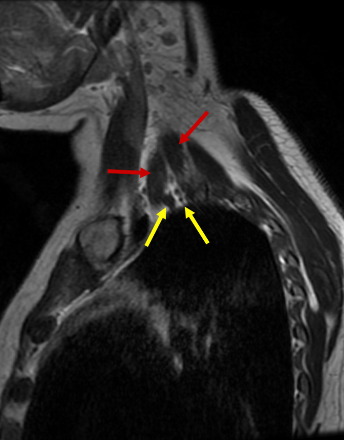
Thoracic Outlet Syndrome (TOS) has a complex history that has led to misunderstanding and confusion from physicians. We review the history of TOS to better understand where this confusion comes from.
Relevance of a simulation model to microvascular surgery for military surgical residents
Microsurgical training is an asset for deployed military orthopaedic surgeons who frequently treat hand or nerve injuries in the field.
Surgical management of spontaneous hepatic rupture associated with HELLP syndrome. Case presentation and literature review
HELLP syndrome (hemolysis, elevated liver blood tests and low platelets) is a serious complication in pregnancy characterized by hemolysis, elevated liver enzymes and low platelet count occurring in 0.2 to 0.6% of all pregnancies and in 10–20% of cases with severe preeclampsia
A novel laparoscopic proximal gastrectomy esophagogastric anastomosis procedure with left placket muscle flap plasty (modified Kamikawa anastomosis): Two cases report and brief literature review
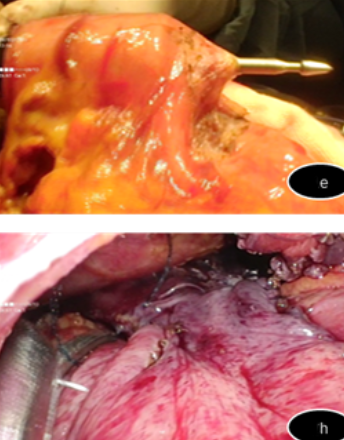
The use of left placket single muscle flap covered anastomosis in proximal gastrectomy has not been reported in the literature. The occurrence of gastroesophageal reflux after proximal gastrectomy is closely related to the mode of digestive tract reconstruction. The currently available digestive tract reconstruction approach affects patient’s postoperative quality of life due to the disadvantages of gastroesophageal reflux and anastomotic stenosis.
Bizarre case of peritoneal CSF-pseudocyst provoking hydronephrosis in a patient with ventricle-peritoneal shunt
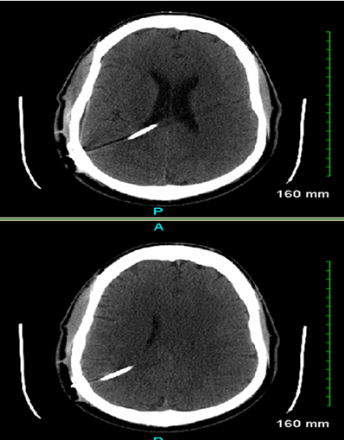
We report a case of a 51-year-old male presented to the neurology clinic with intermittent dizziness, blurred vision, chronic left sided weakness and numbness. Further workup by brain MRI unearthed increased intracranial pressure secondary to impaired CSF drainage. He was previously diagnosed with Arnold Chiari type I malformation for which ventricle-peritoneal shunt (VPS) was performed in 1994 (Figure 1).
Trends in the management of Silver Trauma
Background: Silver Trauma refers to the specialized approach in managing trauma in patients over the age of 65. The use of Silver Trauma frameworks can have positive outcomes across all measurable domains in healthcare. Our paper aimed to assess factors that positively and negatively influence length of stay (LOS), functional outcomes on discharge as evidenced by discharge destination (DD), and readmission rates.
Edible plants in India: A potential source of herbal care during pre and postoperative surgery
All across the globe, plants are used for food and various ailments. In the Indian traditional medicinal system, Ayurveda, the use of plants has been mentioned during the surgical process as well as in post-operative care. The regular use of plants in the diet is a part of this ancient medicinal system, and today, globally, much emphasis is laid on ensuring the availability of a nutritious and healthy diet.
Studying the effect of short-term versus longterm antibiotic therapy after complicated appendicitis surgery on postoperative complication
Background: There is ongoing clinical discussion on the ideal length of antibiotic treatment after appendectomy for complicated appendicitis. With possible advantages including fewer hospital stays, fewer side effects, and cheaper medical expenses, shorter courses have been suggested as efficient substitutes for longer regimens.
Coarctation of the aorta: Advances in diagnosis and management of a persistent congenital challenge
Coarctation of the aorta (CoA) is a congenital narrowing of the thoracic aorta, most often at the isthmus near the ductus arteriosus. It accounts for 5–8% of congenital heart defects and can present at any age. While early diagnosis in infancy is ideal, delayed presentations in adolescence or adulthood remain significant.
Patient perspectives of post-operative acute pain management and the consequences of inadequately managed pain: a mixed-methods study
Objective: To evaluate patient-reported experiences with post-operative acute pain management, assess unmet needs, and describe impacts of inadequately managed acute pain in the United States. Methods: This mixed-methods, exploratory sequential study included concept elicitation interviews and a survey of adults who underwent abdominal, orthopedic, plastic, or general surgery within the past 90 days.
Surgeon choice in method of appendiceal stump closure in acute appendicitis: a multi-year, multi-center retrospective study of 7,042 cases
Background: Laparoscopic appendectomy is a commonly performed procedure, with surgeons having a choice of instruments to close the appendiceal stump. Recent studies have shown slight variability in operating room time by device, with similar clinical outcomes.