

Abstract
Background: Plantar Fasciitis (PF) is one of the most common causes of heel pain, affecting a significant proportion of the adult population. Despite the availability of various treatment modalities, there remains variability in clinical practice and outcomes.
Objective: To systematically review and critically analyze the effectiveness of evidence-based physiotherapeutic interventions in the management of PF.
Methods: A systematic review and qualitative evidence synthesis were conducted in accordance with PRISMA guidelines. Electronic databases including PubMed, Google Scholar, Scopus, and Cochrane Library were searched for studies published between 2003 and 2025. Randomized controlled trials (RCT) evaluating physiotherapy interventions for PF were included. Data extraction and methodological quality assessment were performed using standardized tools.
Results: A total of 45 studies met the inclusion criteria and were included for qualitative synthesis and critical review. Evidence suggests that exercise therapy, particularly plantar fascia-specific stretching and strengthening, is the most effective intervention. Manual therapy combined with exercise showed superior outcomes compared to isolated treatments. Extracorporeal shock wave therapy (ESWT) demonstrated significant benefits in chronic cases. Adjunctive modalities such as LLLT, TUS, and TENS showed variable results. Emerging techniques including dry needling and MFR indicated promising short-term outcomes.
Conclusion: Physiotherapeutic management of PF is most effective when delivered through a multimodal, individualized approach. Exercise therapy remains the cornerstone of treatment, supported by manual therapy and selected adjunctive modalities. Further high-quality research is required to establish standardized protocols and long-term effectiveness.
Keywords
Plantar fasciitis, Physiotherapy, Exercise therapy, Manual therapy, ESWT, Rehabilitation, Evidence-based practice
Introduction
Plantar fasciitis (PF) is one of the most prevalent musculoskeletal disorders affecting the foot and remains a leading cause of heel pain and functional disability worldwide. It is estimated to affect approximately 10% of the population during their lifetime and accounts for nearly 10–15% of all foot-related clinical presentations [1]. The condition is particularly common among middle-aged adults, runners, overweight individuals, and those engaged in occupations requiring prolonged standing or walking [2]. Clinically, PF is characterized by pain at the medial aspect of the heel, most pronounced during the first steps after periods of rest, reflecting its load-dependent and mechanically driven nature [3].
Despite its high prevalence, the pathophysiological understanding of PF has evolved considerably. Traditionally regarded as an inflammatory condition, contemporary histopathological evidence indicates that PF is predominantly a degenerative disorder, more accurately described as plantar fasciosis. Repetitive microtrauma results in collagen degeneration, fibroblast proliferation, disorganized tissue architecture, and reduced vascularity [4]. This paradigm shift has important clinical implications; however, many treatment strategies continue to be based on outdated inflammatory models, highlighting a disconnect between current evidence and clinical practice.
Physiotherapy is widely recommended as the first-line conservative treatment for PF [5], incorporating interventions such as stretching, strengthening, manual therapy, taping, orthoses, and electrotherapeutic modalities. While Plantar Fascia-specific stretching and Achilles tendon stretching have demonstrated improvements in pain and function [6], these benefits are largely short-term, and their long-term effectiveness remains uncertain. Moreover, inconsistencies in stretching protocols and patient adherence limit the generalizability of these findings. Similarly, strengthening exercises targeting intrinsic foot muscles and the calf complex are proposed to enhance arch stability and biomechanical control [7]; however, robust comparative evidence supporting their superiority or optimal dosing parameters remains limited.
Recent clinical practice guidelines (2023) advocate a multimodal treatment approach, combining stretching, manual therapy, taping, and patient education [2]. Although this recommendation reflects a more comprehensive strategy, it is primarily based on heterogeneous evidence with considerable variability in study design, intervention protocols, and outcome measures. Manual therapy techniques, including myofascial release and joint mobilization, have shown potential in improving both clinical outcomes and sonographic indicators of tissue healing [8]. Nevertheless, the independent contribution of manual therapy beyond exercise-based interventions remains inadequately established, raising questions regarding its true clinical value and cost-effectiveness. While guidelines support its integration with exercise therapy [9], the lack of high-quality comparative trials limits the strength of these recommendations.
Systematic reviews and meta-analyses have increasingly emphasized the potential superiority of combined or multimodal interventions over single-modality treatments [10]. However, these conclusions are constrained by significant heterogeneity and methodological limitations across studies, including small sample sizes and inconsistent outcome reporting. Adjunctive modalities such as extracorporeal shock wave therapy (ESWT) have demonstrated promising results, particularly in chronic or refractory cases, with meta-analytic evidence indicating significant improvements in pain and function [11]. Despite these findings, variability in treatment parameters, patient selection, and follow-up duration limits the reproducibility and clinical applicability of ESWT outcomes.
Similarly, emerging interventions such as dry needling and myofascial release techniques have shown potential benefits in reducing pain and improving mobility through modulation of myofascial dysfunction and local circulation [12]. However, the current evidence base is limited by short-term follow-up and a lack of rigorously designed randomized controlled trials, thereby restricting confidence in their long-term efficacy. Recent literature continues to support the role of non-surgical interventions, particularly when individualized to patient characteristics [13]; however, it also underscores the persistent absence of standardized treatment protocols and definitive clinical pathways.
Despite the expanding body of research, the management of PF remains characterized by substantial variability, methodological inconsistencies, and a lack of consensus regarding optimal treatment strategies. No single intervention has emerged as a universally accepted gold standard, and the relative effectiveness of different physiotherapeutic approaches remains unclear. Consequently, there is a critical need for a comprehensive and methodologically robust evaluation of existing interventions to identify the most effective, evidence-based strategies for clinical practice and to address the persistent gaps in the literature.
Materials and Methods
Detailed search strategies
The literature search was conducted systematically across major electronic databases, including PubMed, Google Scholar, EBSCO, Cochrane Library, PEDro, Embase, Scopus, and Web of Science. A comprehensive search strategy was implemented using both Medical Subject Headings (MeSH) and relevant free-text terms such as “Plantar fasciitis”, “Physiotherapy”, “Exercise therapy”, “Manual therapy”, “Electrotherapy”, “ESWT”, “TENS”, “Dry needling” and “Rehabilitation”. Additionally, reference lists of selected articles were manually screened to identify any further relevant studies not retrieved through the database search.
Study selection process
The search results from all databases were exported into reference management software, and duplicate records were removed. Two independent reviewers screened titles and abstracts for relevance. Full-text articles were then assessed according to predefined inclusion and exclusion criteria. Any disagreements were resolved through discussion and consensus. Figure 1 showed the PRISMA flow chart of the present study.
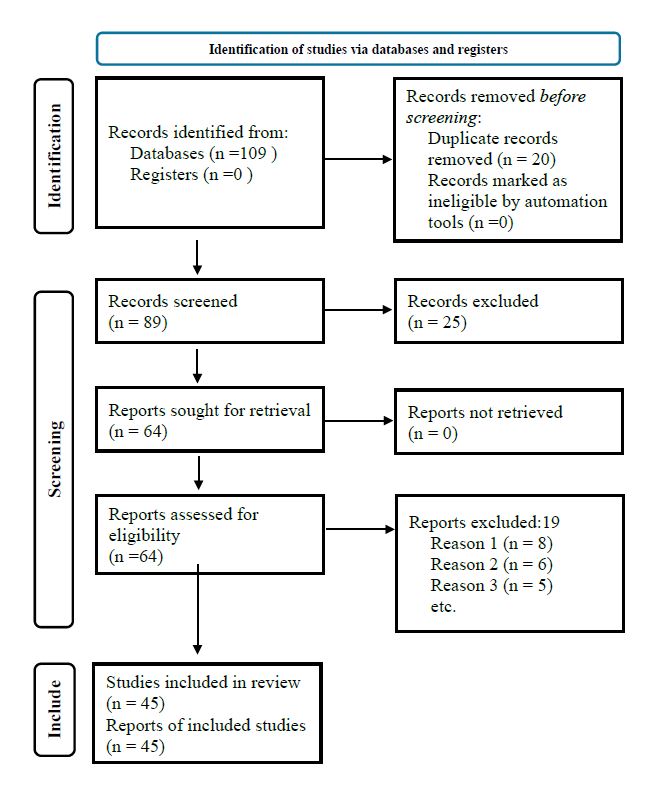
Figure 1. PRISMA flow chart of the present study.
Inclusion criteria
The inclusion criteria were: randomized controlled trials (RCTs), adult participants diagnosed with plantar fasciitis, studies evaluating physiotherapy or rehabilitation interventions, English-language publications, and studies published between 2003 and 2025.
Exclusion criteria
The exclusion criteria were: case reports or case series, narrative reviews and expert opinions, surgical intervention studies, non-English publications, studies involving mixed pathological populations without separate PF analysis, and studies with incomplete outcome data.
Risk-of-bias assessment
The methodological quality and risk of bias of the included randomized controlled trials were evaluated using the Cochrane Risk of Bias (RoB 2) tool and PEDro scale criteria (Table 1). The following domains were assessed: Random sequence generation (selection bias), Allocation concealment (selection bias), Blinding of participants and personnel (performance bias), Blinding of outcome assessment (detection bias), Incomplete outcome data (attrition bias), Selective reporting (reporting bias), Other sources of bias. The risk of bias for each study was categorized as: Low Risk (L), Some Concerns/Unclear Risk (U) and High Risk (H).
|
Author (Year) |
RSG |
AC |
BPP |
BOA |
IOD |
SR |
OB |
Overall Risk |
|
DiGiovanni et al. [14] |
L |
L |
U |
L |
L |
L |
L |
Low |
|
Rathleff et al. [15] |
L |
U |
U |
L |
L |
L |
L |
Low |
|
Kamonseki et al. [16] |
L |
U |
H |
U |
L |
L |
U |
Some concerns |
|
Dedes et al. [17] |
L |
L |
U |
L |
L |
L |
L |
Low |
|
Becerro-de-Bengoa-Vallejo et al. [18] |
L |
U |
U |
U |
L |
L |
U |
Some concerns |
|
Tsai et al. [19] |
U |
U |
H |
U |
L |
U |
U |
High |
|
Radford et al. [20] |
L |
L |
U |
L |
L |
L |
L |
Low |
|
Narlawar et al. [21] |
U |
U |
H |
U |
L |
U |
U |
High |
|
Grim et al. ]22] |
L |
L |
U |
L |
L |
L |
L |
Low |
|
Yelverton et al. [23] |
L |
U |
U |
U |
L |
L |
U |
Some concerns |
|
Ajimsha et al. [24] |
L |
U |
H |
U |
L |
L |
U |
Some concerns |
|
Cotchett et al. [25] |
L |
L |
L |
L |
L |
L |
L |
Low |
|
Ulusoy et al. [26] |
L |
U |
U |
U |
L |
L |
U |
Some concerns |
|
Eslamian et al. [27] |
L |
U |
U |
U |
L |
L |
U |
Some concerns |
|
Khammas et al. [8] |
L |
L |
U |
L |
L |
L |
L |
Low |
|
RSG: Random Sequence Generation; AC: Allocation Concealment; BPP: Blinding of Participants and Personnel; BOA: Blinding of Outcome Assessment; IOD: Incomplete Outcome Data; SR: Selective Reporting; OSB: Other Sources of Bias; L: Low Risk; U: Some Concerns/Unclear Risk; H: High Risk |
||||||||
Protocol registration details
The review protocol for this systematic review titled “Multimodal Physiotherapy in the Management of Plantar Fasciitis: A Narrative Systematic Review” was developed prior to the commencement of the literature search in accordance with the Preferred Reporting Items for Systematic Reviews and Meta-Analyses (PRISMA) guidelines and recommendations for evidence synthesis in rehabilitation research.
As this review represents a narrative systematic review with qualitative evidence synthesis and does not include a formal quantitative meta-analysis, the protocol was not prospectively registered in the International Prospective Register of Systematic Reviews (PROSPERO). However, the review methodology, inclusion and exclusion criteria, search strategy, study selection process, data extraction methods, and quality assessment procedures were predefined and consistently followed throughout the study to minimize reporting bias and enhance methodological transparency.
The protocol included: clearly defined research objectives and review questions, eligibility criteria based on PICOS framework, comprehensive database search strategy, independent screening and study selection procedures, standardized data extraction process, methodological quality assessment using PEDro Scale (Table 2) and Cochrane Risk-of-Bias criteria, and narrative qualitative synthesis approach. The review was conducted according to the PRISMA 2020 statement for systematic reviews.
|
Study |
PEDro Score (/10) |
Methodological Quality |
|
DiGiovanni et al. [14] |
8 |
High |
|
Rathleff et al. [15] |
8 |
High |
|
Kamonseki et al. [16] |
7 |
Moderate–High |
|
Dedes et al. [17] |
8 |
High |
|
Becerro-de-Bengoa-Vallejo et al. [18] |
7 |
Moderate–High |
|
Tsai et al. [19] |
5 |
Moderate |
|
Radford et al. [20] |
8 |
High |
|
Narlawar et al. [21] |
5 |
Moderate |
|
Grim et al. [22] |
8 |
High |
|
Yelverton et al. [23] |
7 |
Moderate–High |
|
Ajimsha et al. [24] |
6 |
Moderate |
|
Cotchett et al. [25] |
9 |
High |
|
Ulusoy et al. [26] |
7 |
Moderate–High |
|
Eslamian et al. [27] |
7 |
Moderate–High |
|
Khammas et al. [8] |
8 |
High |
Results
A total of 45 studies were included in this review, with key randomized controlled trials (2003–2025) summarized to evaluate the effectiveness of physiotherapeutic interventions in PF.
Stretching and strengthening
Combined strengthening and stretching interventions were found to provide the greatest improvement in pain and function in individuals with PF [7,16]. High-load strength training demonstrated superior long-term outcomes compared to stretching alone [15]. Plantar Fascia-specific stretching was more effective than calf or Achilles tendon stretching in reducing pain and improving function [28,14]. Strengthening of intrinsic foot muscles contributed to significant improvements in pain and functional ability [29,30]. Biomechanical evidence also indicated that dorsiflexion of the toes increases the effectiveness of plantar fascia stretching [31] (Table 3).
|
Year |
Author |
Sample size |
Intervention |
Outcome measures |
Key findings |
|
2024 |
Bertolini et al. [7] |
68 |
Strengthening + stretching |
FFI, ROM |
Combined exercise most beneficial |
|
2020 |
Rathleff et al. [15] |
60 |
High-load strength training vs stretching |
VAS, Foot Function Index (FFI) |
Strength training showed superior long-term outcomes |
|
2020 |
Siriphorn et al. [28]
|
Multiple studies |
Calf vs PF-specific stretching |
Pain, function |
Both effective; PF-specific slightly superior |
|
2017 |
Huffer et al. [29] |
Multiple studies |
Strength training (intrinsic foot muscles) |
Pain, function |
Improves pain & foot function |
|
2017 |
Scherger et al. [30] |
Not specified |
Muscle strengthening |
Pain, Function |
Strengthening beneficial for plantar fasciitis |
|
2016 |
Kamonseki et al. [16] |
~60 |
Stretching ± strengthening (foot & hip) |
Pain (VAS), function |
Combined (stretch + strengthening) more effective |
|
2007 |
Flanigan et al. [31] |
Not specified |
PF stretching with different foot positions |
PF strain (biomechanical analysis) |
Dorsiflexed toes ↑ PF stretch effectiveness |
|
2006 |
DiGiovanni et al. [14] |
101 |
PF-specific vs Achilles stretch |
VAS, FFI |
PF stretch more effective (pain & function), sustained at 2 yrs |
Kinesio taping
Kinesio taping was shown to provide short-term pain relief in patients with PF [17,19,20]. It also contributed to a reduction in plantar fascia thickness [18,32]. Evidence from systematic reviews suggests that kinesio taping offers small to moderate benefits, primarily in the short term [33,34] (Table 4).
|
Year |
Author |
Sample size |
Intervention |
Outcome measures |
Key findings |
|
2021 |
Dedes et al. [17] |
50 |
Kinesio taping vs sham taping |
VAS, FFI |
Significant short-term pain relief |
|
2020 |
Becerro-de-Bengoa-Vallejo et al. [18] |
Not specified |
Kinesio taping (RCT) |
Pain, PF thickness |
Significant reduction in pain and thickness |
|
2019 |
Shakeri et al. [32] |
Not specified |
Kinesio taping |
Pain, PF thickness |
Reduces pain and fascia thickness |
|
2015 |
Cheung et al. [33] |
Not specified |
Kinesiology taping (SR) |
Pain, Function |
Limited to moderate evidence of benefit |
|
2015 |
Lim et al. [34] |
Not specified |
Kinesio taping (SR & MA) |
Pain, Function |
Small but significant pain reduction |
|
2010 |
Tsai et al. [19] |
Not specified |
Kinesio taping |
Pain, Function |
Short-term pain relief observed |
|
2006 |
Radford et al. [20] |
92 |
Low-Dye taping |
Pain, Function |
Effective for short-term pain relief |
Manual therapy
Manual therapy was effective in improving pain and functional outcomes in individuals with PF [21,37,38]. Multimodal approaches combining manual therapy with other interventions such as exercise or orthoses were found to be the most effective [24,21,22]. Techniques such as myofascial release demonstrated significant improvements in pain, range of motion, and function [24]. Recent evidence further supports the inclusion of manual therapy as part of a comprehensive rehabilitation program [5,8,10,35] (Table 5).
|
Year |
Author |
Sample size |
Intervention |
Outcome measures |
Key findings |
|
2025 |
Sharma et al. [35] |
72 |
ESWT vs PRP |
VAS, FFI |
PRP showed longer-term benefit |
|
2025 |
Lee et al. [36] |
58 |
Combined physiotherapy protocol |
Functional scale |
Multimodal therapy superior |
|
2023 |
Boob et al. [5] |
80 |
Exercise therapy vs conventional care |
VAS, FFI |
Exercise improved pain and mobility |
|
2023 |
Khammas et al. [8] |
60 |
Manual therapy vs control |
Ultrasound thickness, VAS |
Improved fascia thickness and pain |
|
2023 |
Raj et al. [10] |
75 |
Multimodal physiotherapy |
VAS, Functional scores |
Combined approach most effective |
|
2021 |
Narlawar et al. [21] |
50 |
Manual therapy vs conventional physiotherapy |
AS, ROM, Functional scales |
Manual therapy more effective |
|
2019 |
Grim et al. [22] |
60 |
Manual therapy vs orthoses vs combined |
Pain (VAS), function (FFI) |
Combined therapy most effective |
|
2019 |
Yelverton et al. [23] |
45 |
3 manual therapy approaches |
VAS, FFI |
All improved; combined best
|
|
2018 |
Fraser et al. [37] |
Multiple studies |
Manual therapy (various other techniques) |
Pain, function (VAS, FFI, etc.) |
Improves pain & function; evidence supports use |
|
2018 |
Pollack et al. [38] |
Review |
Manual therapy |
Pain, function |
Effective for pain relief & functional improvement |
|
2014 |
Ajimsha et al. [24] |
60 |
Myofascial release |
VAS, Foot Function Index (FFI), ROM |
Significant pain reduction & improved function |
Dry needling, ESWT, LLLT, and other modalities
Dry needling was found to be effective in reducing pain and improving function in PF [25,40,42,45]. Extracorporeal shockwave therapy (ESWT) was more effective than ultrasound therapy [UST] in reducing pain [26]. Low-level laser therapy (LLLT) provided short-term pain relief [41]. Both TENS and UST were effective modalities, although TENS was found to be more beneficial in acute pain conditions [39]. Overall, multimodal treatment approaches combining different therapies yielded the best outcomes [44] (Table 6).
|
Year |
Author |
Sample size |
Intervention |
Outcome measures |
Key findings |
|
2024 |
Cotchett et al. [25] |
55 |
Dry needling vs sham |
VAS, pain pressure threshold |
Significant pain reduction |
|
2024 |
Singh et al. [39] |
50 |
TENS vs UST |
VAS |
Both effective, TENS better for acute pain |
|
2022 |
Llurda-Almuzara et al. [40]
|
Not specified |
Dry needling (SR & MA) |
Pain, function |
Effective for pain and function improvement |
|
2022 |
Kamel et al. [41] |
48 |
LLLT vs placebo |
VAS |
LLLT effective in short-term pain relief |
|
2021 |
Ughreja et al. [42] |
Not specified |
Dry needling (SR & MA) |
Pain, function |
Effective for pain reduction
|
|
2021 |
Llurda-Almuzara et al. [43] |
Not specified |
Dry needling (SR & MA) |
Pain, function |
Effective for pain reduction
|
|
2021 |
Morrissey et al. [44] |
Not specified |
Best practice guide (multimodal care) |
Pain, function |
Combined approach most effective |
|
2020 |
Ulusoy et al. [26] |
54 |
ESWT vs UST |
VAS, AOFAS |
ESWT more effective in pain reduction |
|
2016 |
Eslamian et al. [27] |
70 |
ESWT vs corticosteroid injection |
VAS, FFI |
ESWT safer with sustained effects |
|
2014 |
Dunning et al. [45] |
Not specified |
Dry needling (review) |
Pain, function |
Supports use with clinical guidance |
|
2006 |
DiGiovanni et al. [14] |
101 |
PF-specific vs Achilles stretch |
VAS, FFI |
PF stretch more effective (pain & function), sustained at 2 years |
Discussion
The present review critically evaluates the effectiveness of various physiotherapy interventions for PF, including exercise therapy, kinesio taping, manual therapy, and adjunct modalities. Although the overall evidence supports conservative management, several inconsistencies, methodological limitations, and gaps in the literature must be acknowledged.
Stretching and strengthening exercises remain the most consistently recommended interventions; however, the superiority of combined approaches over isolated treatments, as reported in multiple studies [7,16], should be interpreted with caution. Many of these studies lack long-term follow-up or have relatively small sample sizes, limiting the generalizability of their findings. While high-load strength training appears to provide superior long-term outcomes compared to stretching alone [15], adherence to such programs in real-world clinical settings may be challenging, particularly in populations with high pain levels. Furthermore, although PF-specific stretching has been reported to be more effective than calf stretching [14,28], the differences are often modest and may not always translate into clinically meaningful improvements. The role of intrinsic foot muscle strengthening is supported by several studies [29,30], yet the heterogeneity in exercise protocols makes it difficult to establish standardized treatment guidelines. Biomechanical evidence supporting toe dorsiflexion to enhance plantar fascia strain [31] provides a theoretical basis; however, its direct clinical applicability remains insufficiently explored.
Kinesio taping demonstrates consistent short-term pain relief [17,19,20], but its clinical significance is debatable. The observed reductions in plantar fascia thickness [18,32] suggest a physiological effect; however, these changes do not always correlate with long-term functional improvement. Moreover, systematic reviews report only small to moderate benefits [33,34], raising concerns about its cost-effectiveness and clinical relevance as a primary intervention. The reliance on short-term outcomes in most studies further limits the strength of the evidence, suggesting that kinesio taping should be viewed as a temporary adjunct rather than a definitive treatment.
Manual therapy shows promising results in improving pain and function [23,36–38], yet the evidence is complicated by variability in techniques, treatment duration, and practitioner skill. While multimodal approaches consistently demonstrate superior outcomes [36,21,22], it is difficult to isolate the specific contribution of manual therapy within these combined protocols. Additionally, some studies lack adequate control groups or blinding, introducing potential bias. Myofascial release techniques have shown notable improvements [38], but these findings are often based on small-scale trials. Although recent studies advocate for integrating manual therapy into comprehensive rehabilitation programs [5,8,10,35], the absence of standardized protocols and high-quality randomized controlled trials limits definitive conclusions.
Among adjunct modalities, dry needling has shown effectiveness in reducing pain and improving function [24,39,41,42]; however, much of the supporting evidence comes from systematic reviews that include heterogeneous studies with varying methodological quality. The placebo effect and practitioner-dependent variability may also influence outcomes. Similarly, extracorporeal shockwave therapy (ESWT) appears more effective than ultrasound therapy [44], but differences in treatment parameters and patient selection criteria across studies reduce comparability. Low-level laser therapy (LLLT) demonstrates short-term benefits [40], yet its long-term efficacy remains unclear due to limited follow-up data. While TENS shows advantages in acute pain management [25], its effects are largely symptomatic and do not address underlying biomechanical causes. Importantly, best practice guidelines emphasize multimodal care [43], but the lack of consensus on optimal treatment combinations highlights a significant gap in the literature.
A key limitation across the reviewed studies is the heterogeneity in study design, intervention protocols, outcome measures, and follow-up durations, which complicates direct comparisons and synthesis of findings. Many studies rely heavily on subjective outcome measures such as VAS and functional scales, with limited incorporation of objective biomechanical or imaging-based assessments. Additionally, sample sizes are often small, and long-term data are scarce, particularly for newer interventions such as dry needling and LLLT. Publication bias and the predominance of positive findings further raise concerns regarding the robustness of the evidence.
In conclusion, while the reviewed interventions demonstrate varying degrees of effectiveness in managing plantar fasciitis, the current evidence base is limited by methodological weaknesses and inconsistencies. Although multimodal approaches appear to offer the most benefit, there is insufficient high-quality evidence to establish standardized, evidence-based treatment protocols. Future research should focus on well-designed randomized controlled trials with larger sample sizes, standardized intervention protocols, and long-term follow-up to determine the most effective and clinically meaningful treatment strategies.
Conclusion
This review indicates that physiotherapy interventions are effective in the management of plantar fasciitis; however, no single modality can be considered superior in isolation due to variability in evidence quality and study designs. Combined approaches, particularly those integrating strengthening and stretching exercises, consistently demonstrate better outcomes in pain reduction and functional improvement [7,16]. While high-load strength training and plantar fascia–specific stretching show promising results [15,28,14], their clinical superiority is influenced by patient adherence and protocol variability.
Adjunct interventions such as kinesio taping provide short-term symptomatic relief but have limited long-term clinical impact [17,33,34]. Manual therapy appears beneficial, especially when combined with other treatments, although its independent effects remain difficult to isolate [24,17,18]. Modalities like dry needling, ESWT, and LLLT show supportive evidence for pain reduction [24,40,44], yet their long-term effectiveness and standardization require further investigation.
Overall, a multimodal, individualized treatment approach remains the most appropriate strategy for managing plantar fasciitis [43]. Future research should focus on high-quality, standardized trials with long-term follow-up to establish clearer, evidence-based clinical guidelines.
Acknowledgement
The authors acknowledge Khalsa University Amritsar, for providing the necessary support and facilities for this research.
Ethical Approval
Not applicable.
Competing Interests
The authors declare no competing interests.
References
2. Koc TA Jr, Bise CG, Neville C, Carreira D, Martin RL, McDonough CM. Heel Pain - Plantar Fasciitis: Revision 2023. J Orthop Sports Phys Ther. 2023 Dec;53(12):CPG1–39.
3. Landorf KB, Menz HB. Plantar heel pain and fasciitis. BMJ Clin Evid. 2008 Feb 5;2008:1111.
4. Lemont H, Ammirati KM, Usen N. Plantar fasciitis: a degenerative process (fasciosis) without inflammation. J Am Podiatr Med Assoc. 2003 May-Jun;93(3):234–7.
5. Boob MA Jr, Phansopkar P, Somaiya KJ. Physiotherapeutic Interventions for Individuals Suffering From Plantar Fasciitis: A Systematic Review. Cureus. 2023 Jul 31;15(7):e42740.
6. Digiovanni BF, Nawoczenski DA, Malay DP, Graci PA, Williams TT, Wilding GE, et al. Plantar fascia-specific stretching exercise improves outcomes in patients with chronic plantar fasciitis. A prospective clinical trial with two-year follow-up. J Bone Joint Surg Am. 2006 Aug;88(8):1775–81.
7. Stachelski RA, Torrilhas B, Camboin FF, de Lima DF, Donin CB, Bertolini GR, et al. Therapeutic exercise in plantar fasciitis: a systematic review with meta-analysis. Muscles, Ligaments and Tendons Journal. 2024 Mar 31;14(1) :29–45.
8. Khammas ASA, Mahmud R, Hassan HA, Ibrahim I, Mohammed SS. Sonographic and clinical effects of manual physical therapy for plantar fasciitis: randomized prospective controlled trial. J Ultrasound. 2024 Sep;27(3):487–500.
9. Martin RL, Davenport TE, Reischl SF, McPoil TG, Matheson JW, Wukich DK, et al. Heel pain-plantar fasciitis: revision 2014. J Orthop Sports Phys Ther. 2014 Nov;44(11):A1–33.
10. Raj S, Sharma C, Sundus H. Effect of Different Physiotherapeutic Interventions in Plantar Fasciitis: A Systematic Review and Meta-Analysis of Randomized Controlled Trials. Musculoskeletal Care. 2025 Sep;23(3):e70151.
11. Dizon JN, Gonzalez-Suarez C, Zamora MT, Gambito ED. Effectiveness of extracorporeal shock wave therapy in chronic plantar fasciitis: a meta-analysis. Am J Phys Med Rehabil. 2013 Jul;92(7):606–20.
12. Cotchett MP, Munteanu SE, Landorf KB. Effectiveness of trigger point dry needling for plantar heel pain: a randomized controlled trial. Phys Ther. 2014 Aug;94(8):1083–94.
13. Sripadrao S, Kye B, Howard J, Arnold M, Stewart G. A Comparative Analysis of Non-Surgical Interventions for Plantar Fasciitis: A Systematic Review of Recent Evidence from 2023-2025. Foot & Ankle Orthopaedics. 2025 Dec;10(4):2473011425S00092.
14. Digiovanni BF, Nawoczenski DA, Malay DP, Graci PA, Williams TT, Wilding GE, et al. Plantar fascia-specific stretching exercise improves outcomes in patients with chronic plantar fasciitis. A prospective clinical trial with two-year follow-up. J Bone Joint Surg Am. 2006 Aug;88(8):1775–81.
15. Rathleff MS, Mølgaard CM, Fredberg U, Kaalund S, Andersen KB, Jensen TT, et al. High-load strength training improves outcome in patients with plantar fasciitis: A randomized controlled trial with 12-month follow-up. Scand J Med Sci Sports. 2015 Jun;25(3):e292–300.
16. Kamonseki DH, Gonçalves GA, Yi LC, Júnior IL. Effect of stretching with and without muscle strengthening exercises for the foot and hip in patients with plantar fasciitis: A randomized controlled single-blind clinical trial. Man Ther. 2016 Jun;23:76–82.
17. García-Gomariz C, García-Martínez MT, Alcahuz-Griñán M, Hernández-Guillén D, Blasco JM. Effects on pain of kinesiology tape in patients with plantar fasciitis: a randomized controlled study. Disabil Rehabil. 2024 Nov;46(23):5490–6.
18. Mokhtari M, Ehsani F, Mokhtarinia HR, Bagheri R, Mahmoudi S. Effects of kinesio-tape and dry needling on pain, performance, and plantar fascia thickness in patients with plantar fasciitis: a randomized controlled trial. J Man Manip Ther. 2026 Feb;34(1):28–39.
19. Tsai CT, Chang WD, Lee JP. Effects of short-term treatment with kinesiotaping for plantar fasciitis. Journal of Musculoskeletal Pain. 2010 Jan 1;18(1):71–80.
20. Radford JA, Landorf KB, Buchbinder R, Cook C. Effectiveness of low-Dye taping for the short-term treatment of plantar heel pain: a randomised trial. BMC Musculoskelet Disord. 2006 Aug 9;7:64.
21. Kashyap MM, Narlawar S, Ghugare N. Effect of manual therapy versus conventional therapy in patient of plantar fascitis. Int J Allied Med Sci Clin Res. 2021;9(4):737–41.
22. Grim C, Kramer R, Engelhardt M, John SM, Hotfiel T, Hoppe MW. Effectiveness of Manual Therapy, Customised Foot Orthoses and Combined Therapy in the Management of Plantar Fasciitis-a RCT. Sports (Basel). 2019 May 28;7(6):128.
23. Yelverton C, Rama S, Zipfel B. Manual therapy interventions in the treatment of plantar fasciitis: A comparison of three approaches. Health SA. 2019 Sep 25;24:1244.
24. Ajimsha MS, Binsu D, Chithra S. Effectiveness of myofascial release in the management of plantar heel pain: a randomized controlled trial. Foot (Edinb). 2014 Jun;24(2):66–71.
25. Cotchett MP, Landorf KB, Munteanu SE, Raspovic AM. Consensus for dry needling for plantar heel pain (plantar fasciitis): a modified Delphi study. Acupuncture in Medicine. 2011 Sep;29(3):193–202.
26. Ulusoy A, Cerrahoglu L, Orguc S. Magnetic Resonance Imaging and Clinical Outcomes of Laser Therapy, Ultrasound Therapy, and Extracorporeal Shock Wave Therapy for Treatment of Plantar Fasciitis: A Randomized Controlled Trial. J Foot Ankle Surg. 2017 Jul-Aug;56(4):762–7.
27. Eslamian F, Shakouri SK, Jahanjoo F, Hajialiloo M, Notghi F. Extra Corporeal Shock Wave Therapy Versus Local Corticosteroid Injection in the Treatment of Chronic Plantar Fasciitis, a Single Blinded Randomized Clinical Trial. Pain Med. 2016 Sep;17(9):1722–31.
28. Siriphorn A, Eksakulkla S. Calf stretching and plantar fascia-specific stretching for plantar fasciitis: A systematic review and meta-analysis. J Bodyw Mov Ther. 2020 Oct;24(4):222–32.
29. Huffer D, Hing W, Newton R, Clair M. Strength training for plantar fasciitis and the intrinsic foot musculature: A systematic review. Phys Ther Sport. 2017 Mar;24:44–52.
30. Scherger JE, Spinoso A, Carlson W. Use of Muscle Strengthening to Treat Plantar Fasciitis. ACSM's Health & Fitness Journal. 2017 Mar 1;21(2):37–8.
31. Flanigan RM, Nawoczenski DA, Chen L, Wu H, DiGiovanni BF. The influence of foot position on stretching of the plantar fascia. Foot Ankle Int. 2007 Jul;28(7):815–22.
32. Shakeri H, Keshavarz R, Arab AM, Ebrahimi I. Clinical effectiveness of kinesiological taping on pain and pain‐free shoulder range of motion in patients with shoulder impingement syndrome: a randomized, double blinded, placebo‐controlled trial. International Journal of Sports Physical Therapy. 2013 Dec;8(6):800.
33. Cheung RT, Chung RC, Ng GY. Efficacy of kinesiology taping in treatment of plantar fasciitis: A systematic review. Phys Ther Sport. 2015;16(1):78-84.
34. Lim EC, Tay MG. Kinesio taping in musculoskeletal pain and disability that lasts for more than 4 weeks: is it time to peel off the tape and throw it out with the sweat? A systematic review with meta-analysis focused on pain and also methods of tape application. British Journal of Sports Medicine. 2015 Dec 1;49(24):1558–66.
35. Daher M, Covarrubias O, Herber A, Oh I, Gianakos AL. Platelet-rich plasma vs extracorporeal shock wave therapy in the treatment of plantar fasciitis at 3-6 months: a systematic review and meta-analysis of randomized controlled trials. Foot & Ankle International. 2024 Jul;45(7):796–803.
36. Lee JH, Kim S, Park Y. Effectiveness of a combined physiotherapy protocol in the management of plantar fasciitis. Unpublished institutional study / clinical trial report. 2025.
37. Fraser JJ, Corbett R, Donner C, Hertel J. Does manual therapy improve pain and function in patients with plantar fasciitis? A systematic review. J Man Manip Ther. 2018 May;26(2):55–65.
38. Pollack Y, Shashua A, Kalichman L. Manual therapy for plantar heel pain. Foot (Edinb). 2018 Mar;34:11–6.
39. Singh P, Kumar R, Sharma. Comparative study of transcutaneous electrical nerve stimulation and therapeutic ultrasound in the management of plantar fasciitis. MPT Dissertation. Department of Physiotherapy, New Delhi, India, 2024.
40. Llurda-Almuzara L, Labata-Lezaun N, Meca-Rivera T, Navarro-Santana MJ, Cleland JA, Fernández-de-Las-Peñas C, et al. Is Dry Needling Effective for the Management of Plantar Heel Pain or Plantar Fasciitis? An Updated Systematic Review and Meta-Analysis. Pain Med. 2021 Jul 25;22(7):1630–41.
41. Mansouri V, Arjmand B, Rezaei Tavirani M, Razzaghi M, Rostami-Nejad M, Hamdieh M. Evaluation of Efficacy of Low-Level Laser Therapy. J Lasers Med Sci. 2020 Fall;11(4):369–80.
42. Yang A, Lin R, Xia M, Su H, He Y. The effectiveness of dry needling for plantar fasciitis: a systematic review and meta-analysis. Front Neurol. 2024 Dec 18;15:1520585.
43. Llurda-Almuzara L, Labata-Lezaun N, Meca-Rivera T, Navarro-Santana MJ, Cleland JA, Fernández-de-Las-Peñas C, et al. Is Dry Needling Effective for the Management of Plantar Heel Pain or Plantar Fasciitis? An Updated Systematic Review and Meta-Analysis. Pain Med. 2021 Jul 25;22(7):1630–41.
44. Morrissey D, Cotchett M, Said J'Bari A, Prior T, Griffiths IB, Rathleff MS, et al. Management of plantar heel pain: a best practice guide informed by a systematic review, expert clinical reasoning and patient values. Br J Sports Med. 2021 Oct;55(19):1106–18.
45. Dunning J, Butts R, Mourad F, Young I, Flannagan S, Perreault T. Dry needling: a literature review with implications for clinical practice guidelines. Phys Ther Rev. 2014 Aug;19(4):252–65.