Loading


Journal of Rehabilitation Research and Practice
ISSN: 2694-0388


Zhen-Rong Zhang
Cardiac Rehabilitation Therapist
Zhejiang University, China
Featured Article
Tailoring interval training in stroke rehabilitation: The role of peak velocity
About this Journal
The Journal of Rehabilitation Research and Practice is an international, open-access, peer-reviewed scholarly journal dedicated to advancing knowledge and understanding in the fields of physical medicine and rehabilitation. The journal focuses on publishing high-quality research that explores functioning, disability, and contextual factors experienced by individuals across all age groups globally.
Articles
Analysis of SSR, NCS/EMG, and HRV testing in chronic pain programs: clinical relevance and cost effectiveness
Background: Chronic pain often includes unrecognized neuropathic and autonomic components that are not fully captured by routine clinical examination, potentially delaying accurate diagnosis and prolonging opioid therapy—particularly concerning in high-risk populations identified by elevated Narcotic Risk Index (NARX) scores.
Artificial intelligence in rehabilitation
Artificial intelligence (AI) is used in various fields, including rehabilitation. The main goal of using this technology is to enhance the performance of individuals with different disorders. Additionally, AI is utilized to improve diagnostic procedures and monitor the progress of patients. The main question that arises is how AI impacts the field of rehabilitation and what are the advantages and disadvantages of using this technology in rehabilitation.
The evolving paradigm of rehabilitation: personalization, equity, and integration
The collection of articles in this issue of the Journal of Rehabilitation Research and Practice presents a compelling and thoughtfully curated snapshot of the contemporary rehabilitation landscape. This journal continues to demonstrate its commitment to publishing high-impact, socially relevant research that pushes the boundaries of the field.
Physical activity, sedentary lifestyle, and muscle wasting in hemodialysis patients: a structured narrative review
Background: Hemodialysis (HD) patients experience severe physical deconditioning due to extremely low physical activity, prolonged sedentary behavior, and progressive muscle wasting. These changes accelerate frailty, impair functional independence, reduce quality of life (QoL), and increase hospitalization and mortality risks. Sarcopenia is now recognized as a key predictor of poor outcomes in this population.
Heart rate variability and ultra-processed food addiction screening as predictive biomarkers in high-risk pain management: a retrospective cohort analysis
Background: The opioid epidemic highlights the need for objective biomarkers that identify high-risk chronic pain patients before overdose events occur. Existing prescription drug monitoring programs such as the NARX score are primarily reactive, underscoring the potential value of physiologic and behavioral risk markers.
Evaluation of the anti-inflammatory and wound-healing potentials of Nigella sativa extract in dermal injury models
Skin repair depends on balanced inflammation, oxidative control, and growth-factor signaling. Disruption of these events delays healing and leads to chronic wounds. Nigella sativa (black seed) contains bioactive compounds such as thymoquinone with anti-inflammatory and antioxidant activity, but its integrated effect on dermal repair remains unclear.
Health and safety has saved lives at work – It has not prevented disability
Health and Safety (H&S) regulation has been one of the most successful public health interventions of the twentieth century, dramatically reducing fatal workplace injuries in high-income countries. However, while H&S has been effective in preventing death and acute injury, it has been far less effective in addressing the dominant occupational health problem of the contemporary workforce: work-related disability.
Multimodal physiotherapy in the management of plantar fasciitis: A narrative systematic review
Background: Plantar Fasciitis (PF) is one of the most common causes of heel pain, affecting a significant proportion of the adult population. Despite the availability of various treatment modalities, there remains variability in clinical practice and outcomes.
Tailoring interval training in stroke rehabilitation: The role of peak velocity
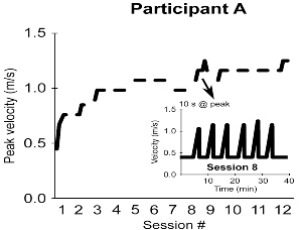
Stroke rehabilitation demands innovative approaches to address the diverse physical limitations and functional goals of stroke survivors. Traditional interval training paradigms, such as high-intensity interval training (HIIT) and sprint interval training (SIT), often fall short of meeting the specific needs of this population due to their reliance on sustained or maximal efforts.
Tailoring interval training in stroke rehabilitation: The role of peak velocity
Stroke rehabilitation demands innovative approaches to address the diverse physical limitations and functional goals of stroke survivors. Traditional interval training paradigms, such as high-intensity interval training (HIIT) and sprint interval training (SIT), often fall short of meeting the specific needs of this population due to their reliance on sustained or maximal efforts.
Tailoring interval training in stroke rehabilitation: The role of peak velocity
Stroke rehabilitation demands innovative approaches to address the diverse physical limitations and functional goals of stroke survivors. Traditional interval training paradigms, such as high-intensity interval training (HIIT) and sprint interval training (SIT), often fall short of meeting the specific needs of this population due to their reliance on sustained or maximal efforts.