

Keywords
Non-invasive prenatal testing (NIPT), Disorders of sexual development (DSD), Phenotype-genotype discordance (GPD), Ultrasound, Prenatal sex, Intersex, Sex assignment, Gonadectomy, Pediatric endocrinology
Abbreviations
DSD: Disorders of Sexual Development; NIPT: Non-Invasive Prenatal Testing; US: Ultrasound; PGD: Phenotype-Genotype Discordance; CAH: Congenital Adrenal Hyperplasia; 17-OHP: 17-Hydroxyprogesterone; FSH: Follicle-Stimulating Hormone; LH: Luteinizing Hormone
Introduction
Disorders of sexual development (DSD) are a spectrum of conditions characterized by abnormal chromosomal, gonadal or phenotypic sex, leading to atypical development of the urogenital tract [1]. Recently, Snipes et al. presented a case of a 46 XY DSD patient whose condition was caused by a rare genetic mutation, identified by a workup initiated after discovering a discrepancy between the genetic sex on the Non-Invasive Prenatal Testing (NIPT) and the phenotypic sex on the 20-week ultrasound (US) [2]. Here, we expand upon this case to emphasize the clinical opportunities for prenatal and early postnatal diagnosis of DSDs related to neonatology and pediatrics as part of the multidisciplinary team that will care for these infants.
DSDs may elude prenatal diagnosis and present multifactorial postnatal health concerns. In the past, these cases were detected after birth unless there was a history of a previously affected child. With the routine use of NIPT in pregnancy, obstetricians have the opportunity to make antenatal identification of DSDs. Usually, DSDs have normal karyotypes but may be heralded by a discrepancy between the genotypic sex on NIPT and the phenotypic sex on US or postnatal physical exam, termed phenotype-genotype discordance (PGD) [3]. Antenatal recognition of this discordance presents an opportunity to collaborate with the neonatal team to improve the care of these complex patients. This commentary will discuss PGD recognized prenatally, drawing attention to current advances, speculating on future directions, and identifying clinical applications for pediatrics as part of a multidisciplinary team.
Prenatal Indicators
Offering NIPT and a second trimester US is nearly universal in patients receiving prenatal care in the United States. NIPT can identify fetal sex as early as 9 weeks of gestation, and an ultrasound evaluation can identify fetal sex as early as 12 weeks of gestation with 75% accuracy and with nearly 100% accuracy at 20-weeks [4].
Discordance between a NIPT genotype and a US phenotype is estimated to occur at 1 in 1,500 to 2,000 [5]. Various etiologies, including methodological and non-fetal biological causes, may be responsible for this discordance, but if such potential causes are excluded, then the patient should be evaluated for DSD [6,7].
Recommended Workup of Phenotype-Genotype Discordance
Many different types of DSDs have been identified, and the Chicago Consensus [8] has broadly organized them into three groups based on karyotype: 46 XY, 46 XX, and mixed chromosome DSD (which includes DSDs with an abnormal number of sex chromosomes). An atypical number of sex chromosomes can be detected on NIPT alone. However, when euploid sex chromosomes (46 XY, 46 XX are present, a PDG between the NIPT and US imaging can lead to further testing, such as DSD gene panels, to identify potential genetic causes. At birth, the diagnostic evaluation should consist of a hormonal assessment, serum electrolytes, a genital exam, and imaging to assess for anatomic variations. Exams under anesthesia, cystourethroscopy, and laparoscopic biopsy of intra-abdominal testes may also be necessary at a later time [9,10].
In the case reported by Snipes et al., the patient had a normal NIPT, which showed a low-risk male, and a normal anatomy ultrasound, which showed normal female external genitalia. Further evaluation of this discrepancy led to an amniocentesis, following which a positive SRY gene confirmed the genotypic sex of 46 XY. Postnatal assessment of the infant revealed female external genitalia with mild posterior labial fusion, an open introitus, standard clitoral size, and no palpable gonads in the inguinal canal. The consulted pediatric endocrinologist obtained a hormone profile (neonatal FSH was 20.09 mIU/mL, LH was 1.65 mIU/mL, testosterone was 48.96 ng/dL, estradiol was <15 pg/mL). Postnatal US identified an ectopic kidney and failed to detect a uterus or ovaries. A 53-gene NGS panel screening for DSDs did not show known pathogenic mutations. However, it did report two mutations as “variance of unknown significance” (Aristaless-related homeobox gene (ARX)−196 + 6G > A and steroidogenic factor one gene, also known as the NR five A1 nuclear receptor (NR5A1) − (OMIM 184757)c.205C > G (p. Arg69Gly)).
At two years of age, a laparoscopic examination revealed atretic-appearing bilateral testes, confirmed by a biopsy showing seminiferous tubules containing Sertoli cells but lacking germ cells. The family opted out of a gonadectomy and decided to assign the child a female gender. She continues her care with pediatric endocrinology and urology, along with her general pediatrician.
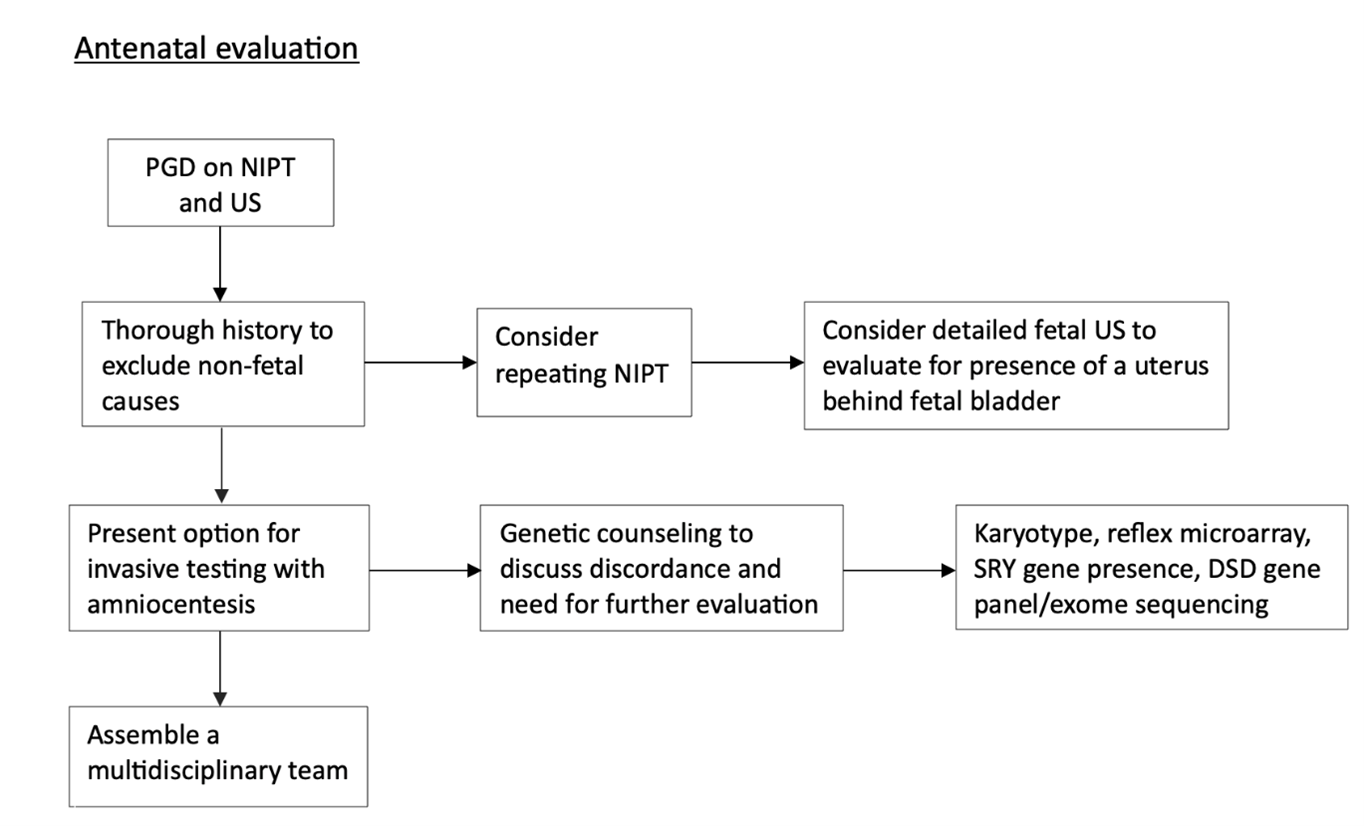
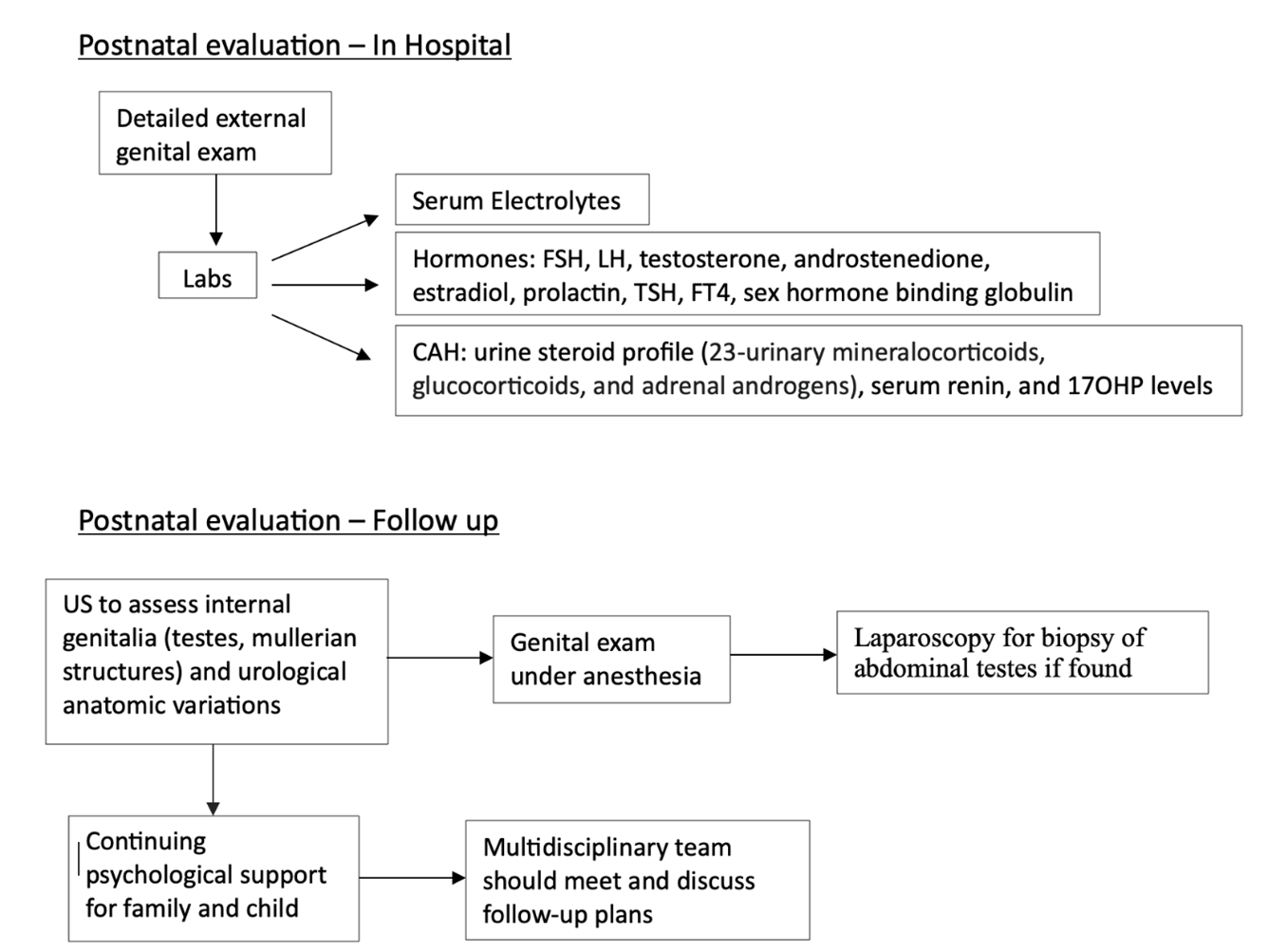
Figure 1. Phenotype-Genotype Discordance on NIPT and US.
Prenatal Interpretation of Discordant NIPT and US Results
Discordance between genotype on NIPT and phenotype in the US can have many non-fetal causes, including human error (sample mislabeling, laboratory processing error, error in ultrasound assignment of sex) and biological (maternal transplanted organs from the opposite sex, co-twin demise, maternal neoplasm, placental chimeras or mosaics) [1]. A workup should begin with a thorough history to evaluate such non-fetal causes, and submission of a second sample for analysis may be recommended. If results exclude other potential causes, then investigation for a DSD should begin with genetic counseling and an offer of invasive testing such as amniocentesis for karyotype, reflex microarray, SRY gene, and DSD gene panel with possible exome sequencing to confirm the diagnosis [11].
Assembling a Multidisciplinary Team
Early identification of DSD, such as in the previously described case, can enable better patient care and outcomes. If a phenotype-genotype discordance is found, a multidisciplinary team should be assembled as soon as possible to provide the family with specific information to aid decision-making. This team should include a prenatal care team engaged in diagnostics, and if a DSD diagnosis is confirmed, a postnatal team should be involved in support and guidance. The prenatal team should include an obstetrician, a geneticist, and a neonatologist. The postnatal team should consist of the geneticist and neonatologist but should also include a general pediatrician, a pediatric endocrinologist, a psychiatrist, and potentially a urologist. As the need arises, nurses, social workers, and others should be involved throughout the patient’s care [12]. Early team assembly can provide timely interventions and continuity of coordinated care.
Physical Exam and Imaging
The clinical presentation of DSD depends on the identified sex chromosomes, SRY presence, and degree of hormone dysregulation. Both 46 XX and 46 XY DSDs can present at birth with unambiguous female external genitalia, ambiguous female external genitalia (clitoromegaly), ambiguous external male genitalia (micropenis, hypospadias), or unambiguous male genitalia. Mullerian structures, such as the uterus, fallopian tubes, and upper vagina, may or may not be present. Malformations may also occur in the kidneys or ureters. Identifying any aberrations in genitourinary anatomy can lead to a more specific diagnosis and help guide management.
46 XX DSDs are generally caused by excess androgen exposure, either from fetal (gonadal or adrenal), maternal, or placental origins [13]. The vast majority of 46 XX DSDs are caused by congenital adrenal hyperplasia (CAH). As previously described, cases of 46 XY DSDs have many different and distinct genetic etiologies. The most common causes are impaired synthesis or action of androgens. Male gonads are commonly present, may be found intra-abdominally, and have an atypical composition (absent Sertoli cells, Leydig cells, and germ cells) [9,10].
Given an increased risk of testicular cancer with abdominal testes, prophylactic gonadectomy vs orchiopexy should be discussed, as performing orchiopexy before puberty has been shown to decrease the risk of developing testicular cancer after the age of 15 [14,15]. Orchiopexy has not been shown to reduce testicular cancer risk in childhood. When deciding whether to proceed with gonadectomy, the family should take into account decisions of sex rearing, androgen status, composition of the testicles, and potential for future reproduction.
If the family assigns the patient a female sex identification, there is little benefit to preserving the testes, especially if they are functional, as this puts the patient at risk for gonadal neoplasm and gradual virilization that becomes more abrupt and apparent at puberty [9]. If the family assigns the patient a male sex identification, orchiopexy should be considered to preserve fertility and androgen status, especially if the testes are functional. If the testes are non-functional, the risk of gonadal neoplasm should be weighed against the risk of the surgery.
Laboratory Evaluation
In addition to anatomic variations, patients with DSDs can have postnatal hormonal and electrolyte imbalances that can result in virilization, salt wasting, and significant morbidity and mortality, especially in the case of CAH [16]. Initial laboratory workup should consist of serum electrolytes, blood glucose, and hormonal assessment (FSH, LH, testosterone, androstenedione, estradiol, prolactin, FSH, FT4, sex hormone binding globulin, anti-mullerian hormone, and hCG) [17]. If serum electrolytes or routine newborn screening suggest a diagnosis of CAH, then further investigation determines 17-hydroxyprogesterone, DHT, deoxycorticosterone, DHEA, and plasma renin levels. The care team should perform a 24-hour urine steroid profile (23-urinary mineralocorticoids, glucocorticoids, and adrenal androgens), and they must prioritize these assays since complications from this condition can lead to significant, irreversible effects. [13,18-20].
Psychological Evaluation and Support
Patients with DSD and their families have many unique psychosocial challenges, including decisions regarding sex of rearing, hormonal treatment, and fertility preservation [21]. Such a diagnosis can be difficult for families to understand and accept. While online resources exist for these patients and their families, such as dsdfamilies.org [22], the first and most important resources are their primary physicians, including the obstetrician and, eventually, the pediatrician. After identifying the discrepancy, the physician must communicate the diagnosis to the family with care as it can affect its acceptance and ultimately influence their decision to continue the pregnancy. The ACCORD alliance [23] provides clinical guidelines for managing DSDs in childhood, including a standardized approach for discussing the diagnosis with patients, treatment during and after the newborn period, and team assembly and collaboration.
Patients should also be offered long-term psychological support starting at a young age, as they may need to cope with unique emotional considerations stemming from gender dysphoria, stigmatization, gradual virilization, and fertility issues [24,25]. These psychosexual issues can cause mental health concerns later in life, but early psychological support can mitigate these concerns, as well as appropriate hormonal or surgical intervention.
Conclusion
DSDs are a complex group of related conditions that present potential barriers to optimal care planning that include challenging diagnostic workups and multifactorial physical and emotional concerns. Historically, the diagnosis has escaped prenatal detection until patients are found to have ambiguous genitalia, amenorrhea, infertility, or virilization at puberty. With the routine use of NIPT in pregnancy combined with US, phenotype-genotype discordance can lead to prenatal identification, particularly if the evaluation excludes a methodological or biological explanation. This early identification can enable earlier intervention and support, ultimately leading to improved patient and family outcomes.
Acknowledgements
We would like to acknowledge the authors of the original paper titled “Phenotype-Genotype Discordance and a Case of a Disorder of Sexual Differentiation,” on which this commentary was based, for their work.
Author Contributions Statement
A substantial, direct, intellectual contribution to the manuscript must be made to be considered an author. Each author has met these requirements. The manuscript has been read and approved by all authors, and each author believes that this manuscript represents honest work.
References
2. Snipes M, Stokes S, Vidalin A, Moore LD, Schlabritz-Lutsevich N, Maher J 3rd. Phenotype-Genotype Discordance and a Case of a Disorder of Sexual Differentiation. Case Rep Genet. 2024 Jul 17;2024:9936936.
3. Cooper DN, Krawczak M, Polychronakos C, Tyler-Smith C, Kehrer-Sawatzki H. Where genotype is not predictive of phenotype: towards an understanding of the molecular basis of reduced penetrance in human inherited disease. Hum Genet. 2013 Oct;132(10):1077-130.
4. Jayashankar SS, Nasaruddin ML, Hassan MF, Dasrilsyah RA, Shafiee MN, Ismail NAS, et al. Non-Invasive Prenatal Testing (NIPT): Reliability, Challenges, and Future Directions. Diagnostics (Basel). 2023 Aug 2;13(15):2570.
5. Richardson EJ, Scott FP, McLennan AC. Sex discordance identification following non-invasive prenatal testing. Prenat Diagn. 2017 Dec;37(13):1298-304.
6. Smet ME, Scott FP, McLennan AC. Discordant fetal sex on NIPT and ultrasound. Prenat Diagn. 2020 Oct;40(11):1353-65.
7. Bianchi DW, Parsa S, Bhatt S, Halks-Miller M, Kurtzman K, Sehnert AJ, et al. Fetal sex chromosome testing by maternal plasma DNA sequencing: clinical laboratory experience and biology. Obstet Gynecol. 2015 Feb;125(2):375-82.
8. Lee PA, Houk CP, Ahmed SF, Hughes IA, participants in the International Consensus Conference on Intersex organized by the Lawson Wilkins Pediatric Endocrine Society and the European Society for Paediatric Endocrinology. Consensus statement on management of intersex disorders. Pediatrics. 2006 Aug 1;118(2):e488-500.
9. Domenice S, Batista R, Arnhold IJ P, Sircili MH, Costa EMF, Mendonca BB. 46,XY Differences of Sexual Development. In: Feingold KR, Anawalt B, Blackman MR, Boyce A, Chrousos G, Corpas E, et al. Endotext. South Dartmouth (MA): MDText.com, Inc.; 2022.
10. Vasundhera C, Jyotsna VP, Kandasamy D, Gupta N. Clinical, hormonal and radiological profile of 46XY disorders of sexual development. Indian Journal of Endocrinology and Metabolism. 2016 May 1;20(3):300-7.
11. De Falco L, Piscopo C, D'Angelo R, Evangelista E, Suero T, Sirica R, et al. Detection of 46, XY Disorder of Sex Development (DSD) Based on Plasma Cell-Free DNA and Targeted Next-Generation Sequencing. Genes (Basel). 2021 Nov 25;12(12):1890.
12. Brain CE, Creighton SM, Mushtaq I, Carmichael PA, Barnicoat A, Honour JW, Larcher V, Achermann JC. Holistic management of DSD. Best Pract Res Clin Endocrinol Metab. 2010 Apr;24(2):335-54.
13. Alkhzouz C, Bucerzan S, Miclaus M, Mirea A-M, Miclea D. 46,XX DSD: Developmental, Clinical and Genetic Aspects. Diagnostics. 2021 Jul 30;11(8):1379.
14. Kilberg MJ, McLoughlin M, Pyle LC, Vogiatzi MG. Endocrine Management of Ovotesticular DSD, an Index Case and Review of the Literature. Pediatr Endocrinol Rev. 2019 Dec;17(2):110-6.
15. Swerdlow AJ, Higgins CD, Pike MC. Risk of testicular cancer in cohort of boys with cryptorchidism. BMJ. 1997 May 24;314(7093):1507–7.
16. Mehmood KT, Rentea RM. Ambiguous Genitalia and Disorders of Sexual Differentiation. 2023 Aug 28. In: StatPearls [Internet]. Treasure Island (FL): StatPearls Publishing; 2024 Jan
17. Ahmed SF, Achermann JC, Arlt W, Balen AH, Conway G, Edwards ZL, et al. UK guidance on the initial evaluation of an infant or an adolescent with a suspected disorder of sex development. Clin Endocrinol (Oxf). 2011 Jul;75(1):12-26.
18. Held PK, Bird IM, Heather NL. Newborn Screening for Congenital Adrenal Hyperplasia: Review of Factors Affecting Screening Accuracy. Int J Neonatal Screen. 2020 Aug 23;6(3):67.
19. Pussard E, Travers S, Bouvattier C, Xue QY, Cosson C, Viengchareun S, Martinerie L, Lombès M. Urinary steroidomic profiles by LC-MS/MS to monitor classic 21-Hydroxylase deficiency. J Steroid Biochem Mol Biol. 2020 Apr;198:105553.
20. Santi M, Graf S, Zeino M, Cools M, Van De Vijver K, Trippel M, et al. Approach to the Virilizing Girl at Puberty. J Clin Endocrinol Metab. 2021 Apr 23;106(5):1530-9.
21. Witchel SF. Disorders of sex development. Best Pract Res Clin Obstet Gynaecol. 2018 Apr;48:90-102.
22. DSD Families [Internet]. 2024 [cited 2024 Jul 30]. Available from: https://www.dsdfamilies.org/
23. CLINICAL GUIDELINES FOR THE MANAGEMENT OF DISORDERS OF SEX DEVELOPMENT IN CHILDHOOD [Internet]. 2006 [cited 2024 Jul 30]. Available from: https://www.accordalliance.org/dsdguidelines/htdocs/clinical/index.html
24. Furtado PS, Moraes F, Lago R, Barros LO, Toralles MB, Barroso U Jr. Gender dysphoria associated with disorders of sex development. Nat Rev Urol. 2012 Nov;9(11):620-7.
25. Babu R, Shah U. Gender identity disorder (GID) in adolescents and adults with differences of sex development (DSD): A systematic review and meta-analysis. J Pediatr Urol. 2021 Feb;17(1):39-47.