Loading
Archives of Clinical Toxicology
ISSN: 2692-8280
Molds and mycotoxins indoors I: Current issues and way forward
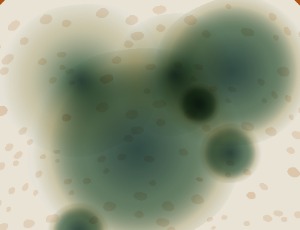
Molds grow from microscopic spores of many fungi floating in the air and when land on surfaces that are moist; none of the molds grow in the absence of moisture [1,2]. Molds are ubiquitous and found both outdoors and indoors. Outdoors, molds play a vital role in the breakdown of dead organic matters like fallen leaves and dead trees.
Arch Clin Toxicol, 2025, Volume 7, Issue 1, p1-7 | DOI: 10.46439/toxicology.7.032
Molds and mycotoxins indoors III: Three case reports
Molds are microscopic fungi which are one of the most diverse and abundant eukaryotes. Not all fungi produce molds, some produce mushrooms and others grow as single cells like yeasts. Molds are ubiquitous, both outdoors and indoors. Certain molds produce mycotoxins that can cause many adverse health effects, especially in immunocompromised and/or genetically predisposed individuals.
Arch Clin Toxicol, 2025, Volume 7, Issue 1, p41-45 | DOI: 10.46439/toxicology.7.034
Environmental risk assessment (ERA)
ERA is a robust tool in environmental decision-making, offering a quantitative framework for risk assessment and management. By separating scientific analysis from policymaking, ERA ensures objective evaluations of ecological risks. Whether dealing with prospective risks or retrospective assessments of past environmental damage, ERA provides a means to balance ecological protection with economic and social considerations.
Arch Clin Toxicol, 2025, Volume 7, Issue 1, p46-50 | DOI: 10.46439/toxicology.7.035
Perinatal polychlorinated biphenyls disrupt`the TRH-TSH axis in the adult female rat: A morphometric immunocytochemical study
Polychlorinated Biphenyls (PCBs) are endocrine disruptors that may act as thyroid hormone (TH) analogues/antagonists to alter the homeostasis of the thyroid axis. Recently, we have shown that perinatal exposure to Aroclor 1254 (A1254), a commercial mixture of more than 90 PCB congeners, leads to sex-specific changes of the thyrotropin-releasing hormone (TRH) mRNA synthesis in hypophysiotropic neurons of the hypothalamic paraventricular nucleus (PVN), and thyroid-stimulating hormone (TSH) serum levels in adult rats.
Arch Clin Toxicol, 2025, Volume 7, Issue 1, p51-59 | DOI: 10.46439/toxicology.7.036
Toxicological assessment of anandamide
Anandamide (AEA), an endogenous cannabinoid, has been widely studied for its physiological roles and potential therapeutic applications. However, concerns remain regarding its safety profile, particularly at higher doses. Therefore, this study aimed to investigate the acute, subchronic and genetic toxicological effects of AEA.
Arch Clin Toxicol, 2025, Volume 7, Issue 1, p60-70 | DOI: 10.46439/toxicology.7.037
Molds and mycotoxins indoors II: Toxicological perspective
Fungal infections are among the most difficult diseases to diagnose and manage and can cause significant morbidity and mortality. It is estimated that globally, fungal infections occur in at least 13 million people and cause more than 1.5 million deaths every year, costing billions of dollars. Out of millions of fungal species, only several hundred species cause diseases among humans, primarily in immunocompromised and critically ill individuals, and only a very few fungal species can affect healthy individuals.
Arch Clin Toxicol, 2025, Volume 7, Issue 1, p8-40 | DOI: 10.46439/toxicology.7.033
An analysis of racial disparities in systemic treatments for psoriasis and their pharmacologic consequences
Psoriasis is a systemic inflammatory skin disease associated with significant comorbidities, yet access to effective systemic treatments remains disparate across racial and ethnic groups. Building upon recent findings of disparities in systemic medication prescriptions and hospitalization outcomes among patients with psoriasis, this commentary explores the pharmacologic, toxicologic, and health equity implications of these inequities.
Arch Clin Toxicol, 2025, Volume 7, Issue 1, p71-76 | DOI: 10.46439/toxicology.7.038
A 90-day oral toxicity study of Grains of Paradise Extract
Grains of Paradise (Aframomum melegueta [Roscoe] K. Schum.), a spice native to West Africa, has a rich ethnopharmacological history. Studies suggest Grains of Paradise possesses anti-inflammatory and analgesic properties. However, despite these potential therapeutic uses, comprehensive toxicological data on the extract of Grains of Paradise in animals remains limited.
Arch Clin Toxicol, 2025, Volume 7, Issue 1, p77-87 | DOI: 10.46439/toxicology.7.039
Dysregulated immunity and autoantibodies: Unraveling their roles in neurological disease pathogenesis
Autoantibodies, generated by B lymphocytes following the breakdown of immune tolerance, are pathological immunoglobulins that erroneously target host tissues. Substantial evidence underscores their pivotal involvement in neurological pathologies linked to immune dysregulation. Given the escalating global burden of neurological disorders as leading contributors to morbidity and mortality, elucidating the mechanistic contributions of autoantibodies to these conditions remains a research imperative.
Arch Clin Toxicol, 2025, Volume 7, Issue 1, p88-100 | DOI: 10.46439/toxicology.7.040
Impact of pesticides on gonads and human health: An updated commentary
The consequence of pesticides on human health is a significant area of research. Different types of pesticides can cause various side effects on our body systems, including our organs and glands. One notable effect is on the gonads, which are the glands responsible for producing male and female sex hormones. The effects can be severe, leading to infertility in men and women, as well as other health issues.
Arch Clin Toxicol, 2025, Volume 7, Issue 1, p101-104 | DOI: 10.46439/toxicology.7.041