Loading


Archives of Clinical Toxicology
ISSN: 2692-8280
All Articles
Letter from the Founding Editor, Masood A. Shammas
Masood A. Shammas
• The primary objective of the journal is to build a platform for sharing novel and unique findings, innovative ideas and out of the box solutions and opinions in the field of Toxicology.
• Special issues focusing on mechanisms and consequences of toxicity that results from dysfunction of intrinsic biological pathways (such as DNA repair and immune system) and that associated with extrinsic factors, especially chemotherapeutic agents and genotoxins found in food and environment, will be organized.

Screening of Different Unknown Drugs in Blood Samples Short Commentary
Nicolas Donze
The primary question of this short communication could be a paradoxical not scientific ‘’why’’. But why? Maybe because, in our modern world, more and more screening of drugs is done in the army, in big companies, in schools, on the road, and so on [1]. The original and logical consequence of this augmentation of screening affects results: indeed, the more we investigate to find drugs, the more we find drugs. Therefore, it appears interesting to wonder the reason why a screening of drugs is being done, for what purpose and moreover, in which samples, urine or only in blood samples. Foremost, remember, that in principle, to get a good answer, we always need to ask the right question.
Arch Clin Toxicol, 2020, Volume Volume 2, Issue Issue 1, p1-2 | DOI: 10.46439/toxicology.2.005
Recent advances in nanotoxicology technology in treating delayed poisoning cases
Ambika Prasad Patra
Delayed poisoning cases pose a major challenge to clinical toxicologists due to the multifold complications that can arise in addition to the primary clinical impact. One example is pesticide poisoning, which can lead to delayed cholinergic syndrome, intermediate syndrome, organophosphate-induced delayed polyneuropathy, and chronic organophosphate-induced neuropsychiatric disorder.
Arch Clin Toxicol, 2024, Volume Volume 6, Issue Issue 1, p1-3 | DOI: 10.46439/toxicology.6.025
Commentary on: Catalytic antioxidants to treat amyotrophic lateral sclerosis
John P. Crow
A 2006 publication entitled ‘Catalytic Antioxidants to Treat Amyotrophic Lateral Sclerosis’ summarized the therapeutic effects of metalloporphyrins (MPs) and metallotexaphyrins (MTs) in the G93A superoxide dismutase (SOD1) mouse model of amyotrophic lateral sclerosis (ALS)
Arch Clin Toxicol, 2022, Volume Volume 4, Issue Issue 1, p1-4 | DOI: 10.46439/toxicology.4.014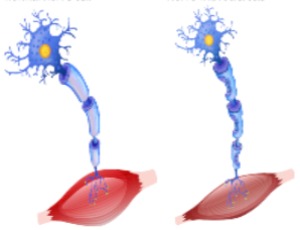
Role of microbial volatile compounds (mVOCs) in toxicity from molds-infested buildings: a case report
Shakil A Saghir, Jeremiah Bancroft, Rais Ansari
Molds are ubiquitous, they grow optimally under high humidity, inadequate ventilation, and poor lighting, especially indoors. Components of molds (i.e., β-glucans from the cell wall of spores and hyphal fragments) and toxic metabolites they produce (e.g., mycotoxins and microbial volatile organic compounds, mVOCs) are known to cause adverse health effects in humans. Indoors, components of molds easily reach unsafe levels.
Arch Clin Toxicol, 2026, Volume Volume 8, Issue Issue 1, p1-5 | DOI: 10.46439/toxicology.8.044
Molds and mycotoxins indoors I: Current issues and way forward
Shakil A Saghir, Jeremiah Bancroft, Rais Ansari
Molds grow from microscopic spores of many fungi floating in the air and when land on surfaces that are moist; none of the molds grow in the absence of moisture [1,2]. Molds are ubiquitous and found both outdoors and indoors. Outdoors, molds play a vital role in the breakdown of dead organic matters like fallen leaves and dead trees.
Arch Clin Toxicol, 2025, Volume Volume 7, Issue Issue 1, p1-7 | DOI: 10.46439/toxicology.7.032
In vitro cytogenetic toxicity and cell cycle arrest profiling of Fluorinated Trifluoromethyl 4-Thiazolidinone on CHO-K1 cells
Kalpana Javvaji, Jhansi Mamilla, Lalithya Kongari, Umesh B. Kosurkar, Ravindra M. Kumbhare, Sunil Misra
In our previous study, we synthesized a novel Fluorinated Trifluoromethyl 4-Thiazolidinone (FTT), which demonstrated promising in vitro anti-cancer activity against Ovarian cancer cells (SKOV3) and Cervical cancer cells (HeLa cells). Hence in the present work, we further investigated it’s probable genotoxic potentials on normal cells in vitro using Chinese Hamster Ovary cells (CHO-K1). Based on the IC50 value in CHO-K1 (4.53 μM), three sub-lethal concentrations were chosen (1, 1.5 and 2 μM) and different cytogenetic toxicity endpoints like induction of chromosome aberrations (CAs), micronuclei (MN) formation, Mitotic index (MI) and Cell cycle studies were performed.
Arch Clin Toxicol, 2023, Volume Volume 5, Issue Issue 1, p1-8 | DOI: 10.46439/toxicology.5.018
Medicinal Poisons
Manoj Balachandran, Vina Ravi Vaswani, Hashim A
There is great variation in the drugs prescribed, used and most importantly available to the public in different countries.
Arch Clin Toxicol, 2019, Volume Volume 1, Issue Issue 1, p3-3 | DOI: 10.46439/toxicology.1.002
RAD51 Inhibitor Reverses Etoposide-Induced Genomic Toxicity and Instability in Esophageal Adenocarcinoma Cells
Chengcheng Lia, Jiangning Zhao, Subodh Kumar, Chandraditya Chakraborty, Srikanth Talluri, Nikhil C. Munshi, Masood A. Shammas
In normal cells, homologous recombination (HR) is strictly regulated and precise and plays an important role in preserving genomic integrity by accurately repairing DNA damage. RAD51 is the recombinase which mediates homologous base pairing and strand exchange during DNA repair by HR. We have previously reported that HR is spontaneously elevated (or dysregulated) in esophageal adenocarcinoma (EAC) and contributes to ongoing genomic changes and instability. The purpose of this study was to evaluate the impact of RAD51 inhibitor on genomic toxicity caused by etoposide, a chemotherapeutic agent.
Arch Clin Toxicol, 2020, Volume Volume 2, Issue Issue 1, p3-9 | DOI: 10.46439/toxicology.2.006]
Determination of Pregabalin in Tissues and Fluids by Using GC
AM Elessawy, RH Abdel Elaziz, Ahmed MA Shihata
Pregabalin is an antiepileptic and analgesic drug, commercialized under the name of Lyrica and other names, generally used to treat neuropathic pain. The determination of pregabalin was quantified in tissues and fluids samples by using Gas chromatography coupled with mass spectrometry, isolation and precipitation protein by Ammonium Sulfate method. The limit of detection (LOD) is 200 ng and the limit of quantification (LOQ) in is 400 ng. Ibuprofen was used as internal standard, this methods has been applied in two cases of pregabalin.
Arch Clin Toxicol, 2019, Volume Volume 1, Issue Issue 1, p4-6 | DOI: 10.46439/toxicology.1.003
Towards personalized care: Unraveling the genomic and molecular basis of sepsis-induced respiratory complications
Tamer A. Addissouky, Ibrahim El Tantawy El Sayed, Majeed M. A. Ali, Mahmood Hasen Shuhata Alubiady, Yuliang Wang
Sepsis, a life-threatening syndrome characterized by organ dysfunction, is a global health concern with alarmingly high morbidity and mortality rates [1]. In understanding sepsis, particularly its association with respiratory complications, we gain valuable insights into improving patient outcomes [2].
Arch Clin Toxicol, 2024, Volume Volume 6, Issue Issue 1, p4-15 | DOI: 10.46439/toxicology.6.026
Reengineering Mexiletine by chemical synthesis to decrease toxicity and improve pharmacological properties with patient-derived iPSC cardiomyocytes
John R. Cashman
Heart disease is one of the top causes of healthcare expenses in the United States. Lethal ventricular cardiac arrhythmia can arise in acquired or congenital heart disease. Long QT syndrome type 3 (LQT3) is a congenital form of ventricular arrhythmia caused by mutations in the cardiac sodium channel SCN5A. Mexiletine is a Class 1 antiarrhythmic drug that inhibits INa-L and shortens the QT interval in LQT3 patients. However, slightly above therapeutic doses, Mexiletine prolongs the cardiac action potential. Mexiletine was reengineered in an iterative process called dynamic medicinal chemistry to explore structure activity relationships (SAR) for AP shortening and prolongation of AP kinetics in human induced pluripotent stem cell-derived cardiomyocytes (hiPSC-CMs).
Arch Clin Toxicol, 2022, Volume Volume 4, Issue Issue 1, p5-10 | DOI: 10.46439/toxicology.4.015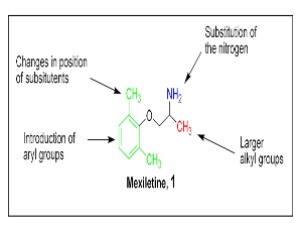
The invisible century of toxic exposures: why clinical toxicology must reinvent itself
Kemal Türker Ulutaş
We are living in what future historians will call the invisible century of toxic exposures—an era in which the most dangerous poisons are no longer the ones we can see, smell, or even detect with routine diagnostics. Instead, they emerge silently from synthetic chemistry labs, global supply chains, industrial waste streams, micro-environments, household products, online marketplaces, and, increasingly, from the hands of those who synthesize psychoactive compounds faster than regulators can name them.
Arch Clin Toxicol, 2026, Volume Volume 8, Issue Issue 1, p6-7 | DOI: 10.46439/toxicology.8.045
Toxicity of Anticancer Therapies
Carla Landolfi
The extent of side effects or toxicity depends on the dose and can vary from subject to subject and from treatment to treatment. It is important to note that many of the side effects are temporary, decreasing and/or gradually disappearing in the days following administration or discontinuation of treatment.
Arch Clin Toxicol, 2019, Volume Volume 1, Issue Issue 1, p7-8 | DOI: 10.46439/toxicology.1.004
Reconsidering the scientific validity of the term “non-toxic” in toxicological risk assessment
Gulzar R. Ahmad, Dildar Ahmad, Shan A. Rajput, Hassan Khan, Masood A. Shammas
The term “non-toxic” is widely used in consumer product labeling despite the absence of a formal scientific or regulatory definition. Contemporary toxicology recognizes that adverse biological effects depend on dose, duration of exposure, route of entry, genetic variability, and underlying molecular mechanisms.
Arch Clin Toxicol, 2026, Volume Volume 8, Issue Issue 1, p8-10 | DOI: 10.46439/toxicology.8.046
Molds and mycotoxins indoors II: Toxicological perspective
Shakil A Saghir, Jeremiah Bancroft, Rais Ansari
Fungal infections are among the most difficult diseases to diagnose and manage and can cause significant morbidity and mortality. It is estimated that globally, fungal infections occur in at least 13 million people and cause more than 1.5 million deaths every year, costing billions of dollars. Out of millions of fungal species, only several hundred species cause diseases among humans, primarily in immunocompromised and critically ill individuals, and only a very few fungal species can affect healthy individuals.
Arch Clin Toxicol, 2025, Volume Volume 7, Issue Issue 1, p8-40 | DOI: 10.46439/toxicology.7.033
Response of Himalayan psychrotolerant Pseudomonas sp. (GBPI_Hb5) with caffeine in soil
Pooja Thathola, Vasudha Agnihotri
Degradation of Caffeine, artificially impregnated in sterile and unsterile soil, studied under ambient conditions using the Himalayan psychrotolerant Pseudomonas sp. (GBPI_Hb5). The caffeine degradation was found increased significantly in presence of GBPI_Hb5. The t1/2 value was estimated during kinetic study of caffeine degradation both in the presence and absence of bacteria in sterilized and unsterilized soil samples, which was also found reduced significantly.
Arch Clin Toxicol, 2023, Volume Volume 5, Issue Issue 1, p9-11 | DOI: 10.46439/toxicology.5.019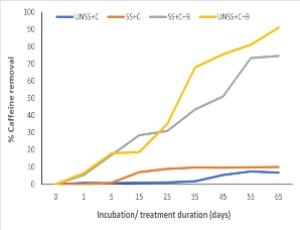
Latest update on cytokines and their subset chemokines
Carla Landolfi
Cytokines and chemokines are engaged in the protection of an organism against external aggressors and diseases. They work together regulating and determining the nature of immune responses and controlling the immune cell trafficking and the cellular arrangement of immune organs. An imbalance or dysregulation in cytokines or chemokines contributes to various diseases where the immune system is involved. The use of cytokines or antibodies against cytokines and their receptors can be an effective therapy for autoimmune disease and some cancers.
Arch Clin Toxicol, 2020, Volume Volume 2, Issue Issue 1, p10-12 | DOI: 10.46439/toxicology.2.007
Hydroxychloroquine and COVID-19: Usefulness and side effects
Pathum Sookaromdee, Viroj Wiwanitkit
Hydroxychloroquine is an alternative drug that was proposed for possible usefulness in management of COVID-1. Until present, there still no conclusion whether the drug is useful for the management of COVID-19 or not. The wide usage of hydroxychloroquine during COVID-19 pandemic resulted in an increased report of side effects. It is necessary to weight between benefit and risk of the drug when it is applied as an alternative management of COVID-19 in each individual patient.
Arch Clin Toxicol, 2022, Volume Volume 4, Issue Issue 1, p11-12 | DOI: 10.46439/toxicology.4.016
Cancer: disease, drugs and diets – an opinion
Vishnu Kumar Sahu, Swati M, Anil Kumar Soni
Cancer is possibly the most dreaded among significant illnesses due to the agony of life from diagnosis to death. The conversion of normal cells into cancer by carcinogens (man-made chemical or naturally occurring, e.g., aflatoxin) proceeds in three steps. The first step is the initiation, followed by the second promotion step, and the third progression step.
Arch Clin Toxicol, 2026, Volume Volume 8, Issue Issue 1, p11-13 | DOI: 10.46439/toxicology.8.047
Acute, genetic, and target organ toxicity profiling of Frankincense essential oil from Boswellia sacra in zebrafish (Danio rerio)
Luay Rashan, Thomas Efferth, Muhammed Bishir, Tousif Ahmed Hediyal, Musthafa Mohamed Essa, Saravana Babu Chidambaram, M. Walid Qoronfleh
Frankincense oil is widely used across the globe for various therapeutic implications. However, the potential toxicity profile of Frankincense oil has not been well explored. The present study is a debut attempt to study the organ-specific (cardiac, hepatic, and neuromuscular) toxicity profile of Frankincense essential oil from Boswellia sacra using the zebrafish embryo model. The results revealed a “no observed effect concentration” (NOEC) dose of Frankincense oil of 300 µg/ml. Signs of cardiac toxicity were not observed if the zebrafish embryos were incubated with Frankincense oil (100 µg/ml).
Arch Clin Toxicol, 2023, Volume Volume 5, Issue Issue 1, p12-21 | DOI: 10.46439/toxicology.5.020
Screening of medicinal drugs, drugs of abuse and alcohol in clinical and forensic specimens
Nicolas Donze
Forensic and medical toxicology are the two sides of the same medal. Let’s understand this with this case. At seven o’clock in the morning, a young man is controlled by a police patrol because of erratic driving behavior. The police officer decides to do urine and blood analysis of the driver, who is brought to the hospital. The screening result of urine is positive for THC-COOH (the inactive metabolite of THC). In blood, the results indicate a concentration of 18 µg/l for THC (active substance of Cannabis), 13 µg/l for 11-OH-THC (the active metabolite of THC) and 170 µg/l for THC-COOH.
Arch Clin Toxicol, 2020, Volume Volume 2, Issue Issue 1, p13-14 | DOI: 10.46439/toxicology.2.008
Anaphylactic reaction from repeated exposure to snake venom: A case report
Mahmood Sasa, Adriana Alfaro-Chinchilla, Luis Zúñiga, Javier Valenzuela, Raquel Martinez
Anaphylactic reactions to snake venom have been poorly documented in the scientific literature. The populations at risk are people exposed to multiple bites or workers in venom extraction or toxin research centers constantly exposed to liquid, lyophilized, or powdered venom aerosols. Based on the report of a case of anaphylaxis suffered by one of us exposed to snake venom for 30 years, we underline the threat of this type of violent reaction as an occupational hazard to the exposed population and the need for preventive measures to minimize its frequency and consequences.
Arch Clin Toxicol, 2022, Volume Volume 4, Issue Issue 1, p13-16 | DOI: 10.46439/toxicology.4.017
Food toxicity: hazard versus risk
Carla Landolfi
Until recently, eating food has usually been regarded as a low risk activity. In the last century, industrialization has changed methods and chemicals used in the food supply chain to improve production, maintenance, and acceptance by consumers. Hazardous substances can be used in these processes. However, despite the many potential health risks associated with food, in practice, the degree of risk associated with modern food supply is extremely low. The presence and levels of hazardous substances in food, such as chemicals intentionally added, or contaminants and residuals, is constantly monitored and evaluated by national and international agencies assuring safe foodstuff to the public.
Arch Clin Toxicol, 2020, Volume Volume 2, Issue Issue 2, p15-18 | DOI: 10.46439/toxicology.2.009
Valproate, Topiramate, and emerging neurodevelopmental concerns
Chiara Gazerro, Carla Landolfi
Our brain is the most intricated organ of our body. It is, therefore, unsurprising that external factors to which the fetus is exposed to during its development, such as drugs, alcohol, environmental toxicants, and medicines may have lasting effects that extend into adulthood [1,2].
Arch Clin Toxicol, 2024, Volume Volume 6, Issue Issue 1, p16-18 | DOI: 10.46439/toxicology.6.027
Non-alcoholic fatty liver disease (NAFLD): The burgeoning liver disease at the interface of metabolic syndrome and type 2 diabetes
Shakil A Saghir, Dileep K Rohra, Riyadh S. Almalki, Rais Ansari
Over the last four decades, epidemics and pandemics like human immunodeficiency virus (HIV), severe acute respiratory syndrome (SARS), and Coronavirus disease 2019 (COVID-19), have made such an impact that the attention of physicians and scientists is solely, and rightly, on bringing appropriate solutions immediately to save millions of lives globally.
Arch Clin Toxicol, 2024, Volume Volume 6, Issue Issue 1, p19-20 | DOI: 10.46439/toxicology.6.028
NicAlert™ test strip performance comparison with LC-MS/MS and immunoassay methods for nicotine and cotinine
Valentinas Gruzdys, Heather Signorelli, Kamisha L. Johnson-Davis
The health consequences of tobacco use continue to be a major concern in the United States and the world. Consequently, nicotine metabolite testing has expanded to include workplace testing, child custody cases, health insurance pre-qualification, pre-surgical organ transplant qualification, and smoking cessation programs. Nicotine use is also linked to poor surgical outcomes and studies have shown an increased risk for infection, increased morbidity, delayed wound healing, longer hospital stays, and postoperative respiratory failure.
Arch Clin Toxicol, 2020, Volume Volume 2, Issue Issue 2, p19-24 | DOI: 10.46439/toxicology.2.010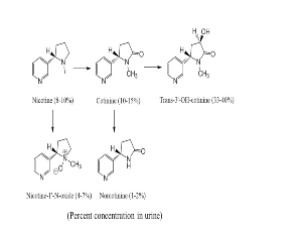
Non-alcoholic fatty liver disease: Role of PNPLA3 and its association with environmental chemicals
Shakil A Saghir, Ata Abbas, Saleh Alfuraih, Ajay Sharma, Jean Latimer, Yadollah Omidi, Rais Ansari
Non-alcoholic fatty liver disease (NAFLD) represents an escalating global health concern. Its prevalence varies significantly across different regions, in Asia it ranges from 30-32%, with notably higher prevalence in the Middle East. Europe reports a prevalence of 27-33%, while North America shows a range of 35-48%.
Arch Clin Toxicol, 2024, Volume Volume 6, Issue Issue 1, p21-32 | DOI: 10.46439/toxicology.6.029
Identification of novel Bioactivities from Bee venom to target TNF-α for cancer therapy
Deepak Saravanan, Shaik Mohammad Rafi, Monisha Mohan
Cancer is one of the major public health problems globally which arises due to uncontrolled cellular proliferation. Tumor necrosis factor alpha is a member of the TNF/TNFR cytokine superfamily. Currently, the venom from various sources have been widely used in the treatment of cancer. The bioactive present in bee venom has been reported to have potential antimicrobial, anti-inflammatory, and anticancer activity which has drawn the attention to identify the novel inhibitor against TNF-α.
Arch Clin Toxicol, 2023, Volume Volume 5, Issue Issue 1, p22-24 | DOI: 10.46439/toxicology.5.021
Neurotoxic amyloid prefibrillar oligomers: Do salmon calcitonin and amyloid β1-42 wear the same “outfit”?
Marco Diociaiuti, Raoul Fioravanti, Marcello Belfiore
We were impressed by the similarity and complementarity between experimental results concerning neurotoxicity induced by prefibrillar oligomers (PFOs) of two different proteins belonging to the “amyloid” family: salmon Calcitonin (sCT) and Amyloid-β1-42 (Aβ1-42). The results were recently published by our group for sCT and by Yasumoto’s group for Aβ1-42 [2]. The comparison is very interesting in the open debate about the intriguing hypothesis of the existence of a “common mechanism” in the pathogenesis of amyloid neurodegenerations.
Arch Clin Toxicol, 2020, Volume Volume 2, Issue Issue 2, p25-28 | DOI: 10.46439/toxicology.2.011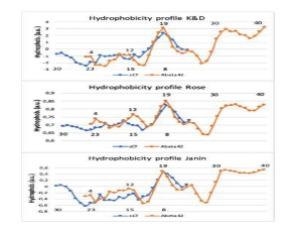
Conceptualizing the use of the clinical index of liver fibrosis, FIB-4 index, in in vivo preclinical toxicological studies
Kwesi Boadu Mensah
The liver plays a pivotal role in intermediary metabolism, biosynthesis, and pharmacotherapy. As such, chemical influences can result in detrimental effects. Anatomically, the liver is centrally placed, with loose capillary fenestrations, which makes it susceptible to chemical assault. Epidemiological evidence shows that chemical-induced liver injury is a major cause of acute liver failure, fibrosis and cirrhosis. In preclinical studies, drug-induced liver injury is a major reason why many interesting lead molecules and novel compounds fail to transcend beyond the laboratory.
Arch Clin Toxicol, 2023, Volume Volume 5, Issue Issue 1, p28-39 | DOI: 10.46439/toxicology.5.022
Degradation of methylene blue dye in the presence of visible light using nanocomposite based on reduced graphene oxide decorated with silver nanowires
Jagdeep Singh, AS Dhaliwal
Methylene blue (MB) is commonly used as a medication and dye for various purposes and its presence in an aqueous solution may prove to be toxic and can cause various health problems. Due to this, the removal of MB dye from aqueous solutions is one of the major concerns for the scientific community. Photocatalyst is a promising material for the effective degradation of MB dye whereas traditional catalyst is not effective in the presence of visible light. In this short communication, the possibility of photocatalyst based on graphene oxide (GO) decorated with silver nanowires (AgNWs) will be explored.
Arch Clin Toxicol, 2021, Volume Volume 3, Issue Issue 1, p29-33 | DOI: 10.46439/toxicology.3.012
Non-alcoholic fatty liver disease: Genetic susceptibility
Shakil A Saghir, Nicole Shams, Lianette Veliz, Saleh Alfuraih, Yadollah Omidi, Jaleh Barar, Ajay Sharma, Rais Ansari
Non-Alcoholic Fatty Liver Disease (NAFLD) is a widespread condition affecting an estimated 32.4% of the global population and playing a significant role in the onset of liver cirrhosis and hepatocellular carcinoma (HCC). Liver steatosis, or the accumulation of fat in the liver, may not invariably lead to inflammation, known as Non-Alcoholic Steatohepatitis (NASH).
Arch Clin Toxicol, 2024, Volume Volume 6, Issue Issue 1, p33-47 | DOI: 10.46439/toxicology.6.030
Lessons from NATURE: methods for traumatic brain injury prevention
Arnav Barpujari, Kevin Pierre, William Dodd, Abeer Dagra, Coulter Small, Eric Williams, Alec Clark, Brandon Lucke-Wold
Multiple species obtain repetitive head collisions throughout the course of their lifetimes with minimal neurologic deficit. Nature has allowed the unique development of multiple protective mechanisms to help prevent neurotrauma. In this review, we examine the concept of rapid brain movement within the skull ‘Slosh’ and what nature teaches on how to prevent this from occurring.
Arch Clin Toxicol, 2021, Volume Volume 3, Issue Issue 1, p34-41 | DOI: 10.46439/toxicology.3.013
Toxicological assessment of chondroitin sulfate oligosaccharide
Kara D. Lewis, Michael Falk
Toxicology studies were conducted to evaluate the safety of chondroitin sulfate oligosaccharide (CSO) produced by the enzymatic hydrolysis of shark cartilage by a bacterial lyase. Although the safety of chondroitin sulfate, which is used as a dietary supplement, has been investigated, no safety studies have been conducted on CSO. CSO was evaluated in bacterial reverse mutagenesis, mammalian cell gene mutation using mouse lymphoma cells, in vivo mammalian erythrocyte micronucleus assays, and a ninety-day repeated dose oral toxicity study in rats.
Arch Clin Toxicol, 2023, Volume Volume 5, Issue Issue 1, p40-51 | DOI: 10.46439/toxicology.5.023
Molds and mycotoxins indoors III: Three case reports
Shakil A Saghir, Jeremiah Bancroft, Rais Ansari
Molds are microscopic fungi which are one of the most diverse and abundant eukaryotes. Not all fungi produce molds, some produce mushrooms and others grow as single cells like yeasts. Molds are ubiquitous, both outdoors and indoors. Certain molds produce mycotoxins that can cause many adverse health effects, especially in immunocompromised and/or genetically predisposed individuals.
Arch Clin Toxicol, 2025, Volume Volume 7, Issue Issue 1, p41-45 | DOI: 10.46439/toxicology.7.034
Environmental risk assessment (ERA)
Eman E Elsharkawy, Ahmed A Sharkawy
ERA is a robust tool in environmental decision-making, offering a quantitative framework for risk assessment and management. By separating scientific analysis from policymaking, ERA ensures objective evaluations of ecological risks. Whether dealing with prospective risks or retrospective assessments of past environmental damage, ERA provides a means to balance ecological protection with economic and social considerations.
Arch Clin Toxicol, 2025, Volume Volume 7, Issue Issue 1, p46-50 | DOI: 10.46439/toxicology.7.035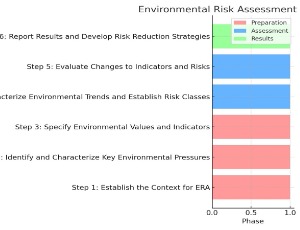
Non-alcoholic fatty liver disease: Role of nuclear receptor superfamily members and approaches to treatment
Siddique Rezan Mohammed, Shakil A Saghir, Saleh Alfuraih, Abdulaziz Khalid Salamatullah, Faisal Fahad Alnefaie, Samirah Khan, Syed A. A. Rizvi, Rais Ansari
Non-alcoholic fatty liver disease (NAFLD) is an increasing health problem when left untreated. NAFLD is defined as accumulation of fat in 5% of the hepatocytes. NAFLD can convert into non-alcoholic steatohepatitis (NASH) which is defined as inflammatory NAFLD. Both NAFLD and NASH are observed in individuals suffering from metabolic syndrome and type 2 diabetes (T2D).
Arch Clin Toxicol, 2024, Volume Volume 6, Issue Issue 1, p48-61 | DOI: 10.46439/toxicology.6.031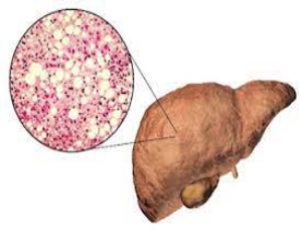
Perinatal polychlorinated biphenyls disrupt`the TRH-TSH axis in the adult female rat: A morphometric immunocytochemical study
Edith Sánchez-Jaramillo, Fulvio Barbaro, Giusy Di Conza, Francesca Pia Quartulli, Yazmine Gzara, Simone Sprio, Anna Tampieri, Roberto Toni
Polychlorinated Biphenyls (PCBs) are endocrine disruptors that may act as thyroid hormone (TH) analogues/antagonists to alter the homeostasis of the thyroid axis. Recently, we have shown that perinatal exposure to Aroclor 1254 (A1254), a commercial mixture of more than 90 PCB congeners, leads to sex-specific changes of the thyrotropin-releasing hormone (TRH) mRNA synthesis in hypophysiotropic neurons of the hypothalamic paraventricular nucleus (PVN), and thyroid-stimulating hormone (TSH) serum levels in adult rats.
Arch Clin Toxicol, 2025, Volume Volume 7, Issue Issue 1, p51-59 | DOI: 10.46439/toxicology.7.036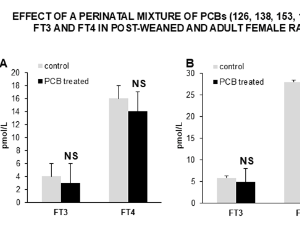
Toxicological assessment of anandamide
Gloria Yi, George Gao, Wayne Yi, Long Jiang
Anandamide (AEA), an endogenous cannabinoid, has been widely studied for its physiological roles and potential therapeutic applications. However, concerns remain regarding its safety profile, particularly at higher doses. Therefore, this study aimed to investigate the acute, subchronic and genetic toxicological effects of AEA.
Arch Clin Toxicol, 2025, Volume Volume 7, Issue Issue 1, p60-70 | DOI: 10.46439/toxicology.7.037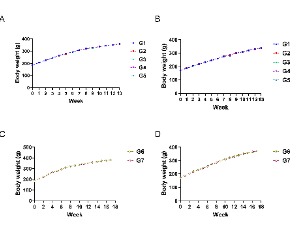
An analysis of racial disparities in systemic treatments for psoriasis and their pharmacologic consequences
Rini Manoj Desai, Mariana McCune, Rebecca Olsen, Liliana Tong, Mitchell Sparling Davis
Psoriasis is a systemic inflammatory skin disease associated with significant comorbidities, yet access to effective systemic treatments remains disparate across racial and ethnic groups. Building upon recent findings of disparities in systemic medication prescriptions and hospitalization outcomes among patients with psoriasis, this commentary explores the pharmacologic, toxicologic, and health equity implications of these inequities.
Arch Clin Toxicol, 2025, Volume Volume 7, Issue Issue 1, p71-76 | DOI: 10.46439/toxicology.7.038
A 90-day oral toxicity study of Grains of Paradise Extract
Gloria Yi, George Gao, Wayne Yi, Long Jiang
Grains of Paradise (Aframomum melegueta [Roscoe] K. Schum.), a spice native to West Africa, has a rich ethnopharmacological history. Studies suggest Grains of Paradise possesses anti-inflammatory and analgesic properties. However, despite these potential therapeutic uses, comprehensive toxicological data on the extract of Grains of Paradise in animals remains limited.
Arch Clin Toxicol, 2025, Volume Volume 7, Issue Issue 1, p77-87 | DOI: 10.46439/toxicology.7.039
Dysregulated immunity and autoantibodies: Unraveling their roles in neurological disease pathogenesis
Cheng Xue
Autoantibodies, generated by B lymphocytes following the breakdown of immune tolerance, are pathological immunoglobulins that erroneously target host tissues. Substantial evidence underscores their pivotal involvement in neurological pathologies linked to immune dysregulation. Given the escalating global burden of neurological disorders as leading contributors to morbidity and mortality, elucidating the mechanistic contributions of autoantibodies to these conditions remains a research imperative.
Arch Clin Toxicol, 2025, Volume Volume 7, Issue Issue 1, p88-100 | DOI: 10.46439/toxicology.7.040
Impact of pesticides on gonads and human health: An updated commentary
Swati M, Anil Kumar Soni, Vishnu Kumar Sahu
The consequence of pesticides on human health is a significant area of research. Different types of pesticides can cause various side effects on our body systems, including our organs and glands. One notable effect is on the gonads, which are the glands responsible for producing male and female sex hormones. The effects can be severe, leading to infertility in men and women, as well as other health issues.
Arch Clin Toxicol, 2025, Volume Volume 7, Issue Issue 1, p101-104 | DOI: 10.46439/toxicology.7.041
Advances in histamine-mediated allergy management: Expanding perspectives on cetirizine’s therapeutic, safety, and toxicological implications
Ishita Debnath, Suman Ghosh, Sajal Kumar Jha, Mithun Bhowmik, Sumit Nandi
Histamine-mediated allergic reactions were recognized as pivotal mechanisms in the onset and progression of diverse allergic disorders. Cetirizine, a second-generation H1 receptor antagonist, had been extensively evaluated for its efficacy in mitigating histamine-induced inflammation and hypersensitivity.
Arch Clin Toxicol, 2025, Volume Volume 7, Issue Issue 1, p105-110 | DOI: 10.46439/toxicology.7.042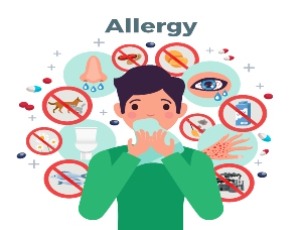
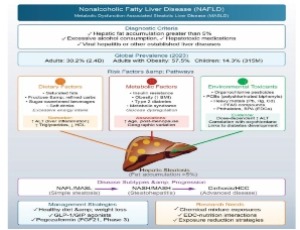
NAFLD’s possible link to exposure to environmental contaminants and overnutrition
Rais Ansari, Yadollah Omidi, Jaleh Barar, Syed Abdul Quddus, Shakil A Saghir
Over the past two decades, global rise in insulin resistance, obesity, and metabolic syndrome has led to a corresponding increase in nonalcoholic fatty liver disease (NAFLD). Particularly, NAFLD represents the hepatic manifestation of metabolic syndrome and is characterized by hepatic fat accumulation exceeding 5% in the absence of excessive alcohol consumption, hepatotoxic medication use, or other established liver diseases such as viral hepatitis.
Arch Clin Toxicol, 2025, Volume Volume 7, Issue Issue 1, p111-114 | DOI: 10.46439/toxicology.7.043