Loading


Journal of Allergy and Infectious Diseases
ISSN: 2692-6334
Featured Articles
Building and implementing best practices for referral and management of severe asthma in Canadian healthcare
Godbout K, Bhutani M, Connors L, Chan CKN, Connors C, Dorscheid D, Dyck G, Kaplan AG, Reynolds J, Waserman S
Severe asthma (SA) is asthma that remains uncontrolled despite patient adherence to mainteneance therapies and management of contributing factors, or asthma which worsens when high-dose treatments are reduced. It is estimated that 5-10% of asthma patients in Canada have SA. The condition is a significant burden on patients’ quality of life, and is associated with increased number and severity of exacerbations, hospitalizations, and mortality
J Allergy Infect Dis, 2023, Volume 4, Issue 1, p4-8 | DOI: 10.46439/allergy.4.033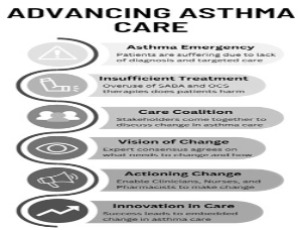
Mitochondrial disease patients and rotavirus infection complications
Savannah Battleson, Anna Betler, Hayden Divers, Jack Kloecker, Iradukunda Esperance, Nicholas Farrell, Molly Sawyer, Azhar Rahama, Ojus Dalvi, Gary Vanderlaan
Rotavirus (RV) is an agent of gastroenteritis and, to a lesser extent, neurological manifestations including seizures and epilepsy. Before the development of effective vaccines, rotavirus was among the leading global drivers of life-threatening diarrhea in neonates and children less than five years of age.
J Allergy Infect Dis, 2024, Volume 5, Issue 1, p17-28 | DOI: 10.46439/allergy.5.042
Monitoring clinical trials in infectious diseases
David L DeMets, Thomas R Fleming, Susan S Ellenberg
In early 2020, the contagious and deadly virus, SARS-CoV-2, was identified. The virus spread rapidly worldwide and was declared a pandemic by the World Health Organization (WHO) in March of 2020 [1]. While many who became infected remained asymptomatic, an alarming number of infected individuals developed severe symptoms, often requiring hospitalization and intensive care, or resulting in death.
J Allergy Infect Dis, 2021, Volume 2, Issue 1, p29-32 | DOI: 10.46439/allergy.2.019
Chemical characterization of red imported fire ants with colony development
Jian Chen
The red imported fire ant, Solenopsis invicta Buren, poses a significant threat to public health due to its venomous stings. While the chemistry of fire ants has been well investigated, most studies have focused on ants from mature colonies. The dynamic changes in chemical compositions during colony development have been less explored. In this study, we established S. invicta colonies using newly collected queens from the field and then tracked the chemistry of workers as the colonies developed. Our findings reveal that the chemistry of fire ant workers undergoes significant changes with the development of the colonies. However, the change in chemical diversity was not necessarily in the same direction for all individual glands.
J Allergy Infect Dis, 2024, Volume 5, Issue 1, p35-43 | DOI: 10.46439/allergy.5.044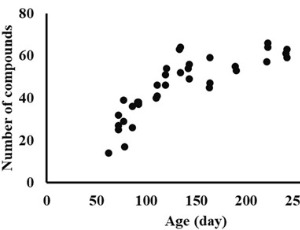
Policy and law changes to address healthcare inequities for minority populations during COVID-19
Christina M. Williams, Rahul Chaturvedi, Rodney A. Gabriel
While other countries have begun to see a flattening of the Severe Acute Respiratory Syndrome – Coronavirus-2 (SARS-CoV-2) curve, the United States continues to see a rise in cases, with approximately 7.4 million confirmed cases to date. Even more worrisome, various news articles have begun to shed light on the healthcare inequities that have become increasingly more transparent during this crisis.
J Allergy Infect Dis, 2020, Volume 1, Issue 3, p49-52 | DOI: 10.46439/allergy.1.011