

Abstract
Purpose: To describe long-term outcome, prognosis, and complications of eyes with open globe injury (OGI) at a level-1 trauma center.
Methods: Retrospective case series of all patients with OGIs who presented to the Institute of Ophthalmology and Visual Science, Rutgers-New Jersey Medical School between 2011 to 2014 with at least 3 years follow-up after OGI repair.
Results: 36 patients were identified (mean age 36 ± 29 years; 13 (36%) African American, 5 (14%) Caucasian, 18 (50%) Hispanic, 30 (86%) male, and 21 (58%) OS. Mean presenting logMAR VA was 2.0 ± 0.8 (~CF to HM). Mean logMAR VA at 3 years was 1.4 ± 0.9 (~20/400 to CF). On average, these eyes underwent 1.7 ± 1.3 additional intraocular surgeries after the initial open globe repair (OGR). Eight eyes were diagnosed with cataract and retinal detachments within the first month of OGR. The initial OGI was in zone 1, 2, or 3 in 17, 16, and 3 eyes, respectively. Twenty-one eyes (58%) required pars plana vitrectomy. Eight eyes (22%) underwent penetrating keratoplasty for central corneal scar or graft failure. Traumatic glaucoma developed in 7 eyes (19%) at an average of 12 months. Two eyes (6%) required subsequent tube shunt glaucoma surgery for uncontrolled intraocular pressure. Sixteen eyes (44%) underwent cataract extraction.
Conclusion: Overall, 50% of eyes had better than finger counting visual acuity at 3-year follow-up. Over three-fourths of the eyes required cornea, glaucoma, or retina surgery within 1 year after the initial OGR.
Keywords
Endophthalmitis, intraocular lens placement, open globe injuries, pars plana vitrectomy, retinal detachment
Abbreviations:
OGI: Open Globe Injury; OGR: Open Globe Repair; APD: Afferent Pupillary Defect; VA: Visual Acuity; VH: Vitreous Hemorrhage; RD: Retinal Detachment; PPV: Pars Plana Vitrectomy; IOFB: Intraocular Foreign Body; PKP: Penetrating Keratoplasty; RAPD: Relative Afferent Pupillary Defect; IOP: Intraocular Pressure; OTS: Ocular Trauma Score; CF: Counting Fingers; HM: Hand Motions; LP: Light Perception; NLP: No Light Perception; SO: Silicone Oil; ACIOL: Anterior Chamber Intraocular Lens; PCIOL: Posterior Chamber Intraocular Lens
Introduction
Ocular trauma is one of the leading causes of visual impairment in adults [1]. The incidence of open globe injury (OGI) worldwide is between 2 to 6 cases per 100,000 people per year [2,3]. Visual outcomes range from 20/20 to no light perception. Numerous factors associated with poor visual prognosis include a “rupture” type of injury, poor initial post-trauma visual acuity (VA), presence of a relative afferent pupillary defect (RAPD), adnexal injury, wound location and size, lenticular damage, hyphema, vitreous hemorrhage (VH), and retinal detachment (RD) [4-7].
The Birmingham Eye Trauma Terminology was used to define the type and zone of injury [1]. Injury types included: perforating (sharp object with entrance and exit wounds with or without IOFB), penetrating (sharp object with entrance wound with or without IOFB), and rupture (blunt object with full thickness wound). Zone of injuries included: zone 1 for injury at the cornea and limbus; zone 2 for injuries that extended from the limbus to 5 mm posterior to the limbus, and zone 3 for injuries more than 5 mm posterior to the limbus.
Multiple surgical interventions are usually required to rehabilitate such eyes to their maximum visual potential. These interventions include pars plana vitrectomy (PPV) and other posterior segment procedures for associated conditions such as RD, choroidal detachment, intraocular foreign body (IOFB), non-clearing VH, subluxed or disrupted lens, hypotony, and/or endophthalmitis; glaucoma incisional surgery for traumatic glaucoma refractory to medical management; cataract extraction for traumatic cataract; penetrating keratoplasty (PKP) for corneal decompensation and/or corneal scar; and secondary intraocular lens placement for traumatic or surgical aphakia. Many studies have evaluated short-term outcomes (<1 year) for eyes with OGI [8,9], but relatively few studies report the long-term visual and surgical outcomes of these eyes.
A better understanding of the long-term prognosis can help establish expectation during the initial counseling.
The purpose of this retrospective study is to describe the characteristics, medical and surgical management, and visual and anatomic outcome of eyes sustaining OGI with long-term follow-up at our hospital.
Methods
A retrospective chart review of patients with OGI presenting to the Institute of Ophthalmology and Visual Science, Rutgers-New Jersey Medical School between January 1, 2011 and December 30, 2014 was conducted after obtaining approval from the Institutional Review Board. Cases with at least 3 years follow-up were identified through their billing codes for OGI. Medical records of these eyes were reviewed. Data collection included age, gender, race, mechanism of injury, type of injury, and zone of injury. Initial examination variables included presence of a RAPD, VA, lens status, RD, VH, hemorrhagic choroidal detachment, endophthalmitis, and hyphema. Surgical OGI repair data included: type and zone of injury; type of surgical repair; length of hospital stays; type, duration, and route of antibiotic administration; and the surgical procedures used.
Follow-up data included VA, intraocular pressure (IOP), slit-lamp examination, and dilated fundus ophthalmoscopy findings at 6 months, 1 year, and 3 years after open globe repair (OGR). Intraocular procedures were recorded as type, indication for intervention, and time from OGR until surgery. All data are represented as mean ± standard deviation unless otherwise specified.
The ocular trauma score (OTS) was calculated as described by Kuhn et al. [1], if all risk factors were available. OTS raw scores ranged from 60-100 based on presenting VA, presence of globe rupture, endophthalmitis, perforating injury, RD, and RAPD; each raw score was scaled into OTS of 1-5 [8]. Visual acuity was converted to the logarithm of minimum angle of resolution (logMAR) for data analysis with 1.7, 2.3, 2.7, and 3.12 assigned to counting fingers (CF), hand motions (HM), light perception (LP), and no light perception (NLP) vision [8].
All statistical analyses in this study was performed using Student’s t-test. A p-value of <0.05 was considered significant.
Results
Thirty-six (11%) of 334 eyes of all OGIs that presented to University Hospital, Newark, NJ had greater than 3 years follow-up after OGI between January 1, 2011 and December 30, 2014. Mean age at OGI was 36 ± 29 years; 30 (86%) patients were males, and 21 (58%) injuries involved the left eye. Thirteen (36%) patients were African American, 5 (14%) were Caucasian, and 18 (50%) were Hispanic. No significant past ocular history was noted except in 2 patients who had a prior glaucoma diagnosis and another patient with history of toxoplasma-related uveitis. Average follow-up was 38.6 ± 8 months.
Sixteen (44%) patients had penetrating injuries; 16 (44%) had ruptures; and four (11%) had retained IOFBs. The mechanism of injury associated with penetrating injuries with and without IOFBs (n=20) included: 13 (65%) metallic FBs (e.g., nail gun, hammering metal on metal); 2 (10%) wood (e.g., tree branch); 3 (15%) plastic (e.g., luggage strap, plastic from work-related); 1 (5%) glass (e.g., motor vehicle accident); and 1 (5%) unknown. Among the rupture injuries (n=16), four (25%) were fall-related; five (31%) were assault-related; and 7 (44%) were accidental injuries (e.g., hit with elastic exercise cord, box fell onto the face, etc.)(Figure 1)
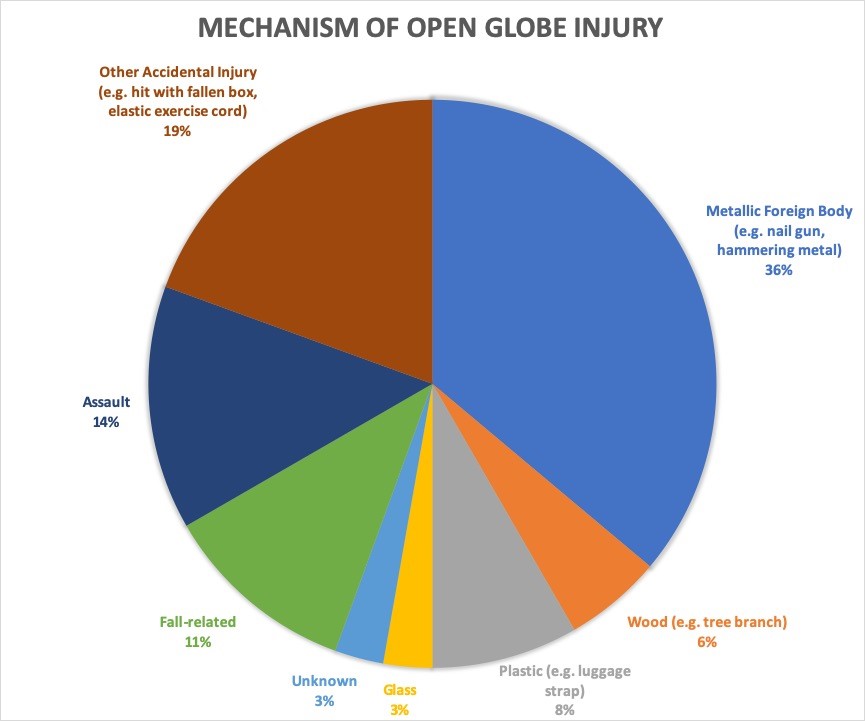
Figure 1: Mechanisms of open globe injury.
Seventeen (47%) eyes had zone 1 injuries; 16 (44%) had zone 2 injuries; and 3 (8%) had zone 3 injuries. Significant findings at presentation are described in Table 1. The average Ocular Trauma Raw Score at presentation was 56 ± 18. Predictability of visual acuity by OTS at 6 months and 3 years were calculated as described by Kuhn et al. by separating the visual outcome into 5 visual acuity groups for OTS ranging from 1-5. The predicted visual acuity at 6 months based on OTS score is reported along with what was observed at 6 months and 3 years follow-up in Table 2. Ocular complications at presentation included: VH only (2 eyes); VH and RD (9 eyes); RD only (1 eye); IOFB (2 eyes); hyphema (21 eyes); and visually significant traumatic cataract (4 eyes). At 1 month after OGI, 4 additional eyes developed cataract, and 6 more eyes developed RD.
|
Findings
|
Number of Eyes (N) |
Percentage of Eyes (%) |
|
Afferent pupillary defect |
7 |
19 |
|
Cataract1 |
19 |
53 |
|
Cornea injury2 |
23 |
64 |
|
Endophthalmitis |
2 |
6 |
|
Hemorrhagic choroidal detachment3 |
3 |
8 |
|
Hyphema |
21 |
58 |
|
Orbital fracture |
2 |
6 |
|
Phakia |
25 |
69 |
|
Pseudophakia |
2 |
6 |
|
Retinal detachment3 |
10 |
28 |
|
Traumatic aphakia |
9 |
25 |
|
Uveal prolapse |
17 |
47 |
|
Vitreous hemorrhage |
11 |
31 |
|
1Cataract: includes age-related and traumatic cataract 2Corneal damage: corneal laceration, dehiscence of penetrating keratoplasty graft. 3Found within one week of presentation with open globe injury |
||
|
OTS |
NLP
|
LP/HM |
1/200 -19/2000 |
20/200-20/5 |
>20/40 |
|
|
Predicted % (observed % at 6 months, observed % at 3 years) |
||||
|
1 |
73 (0,0) |
17 (62.5,62.5) |
7 (25,12.5) |
2 (12.5,25) |
1 (0,10) |
|
2 |
28 (0,10) |
26 (60,60) |
18 (20,30) |
13 (20,0 |
15 (10,10) |
|
3 |
2 (0,0) |
11 (21,7) |
15 (43,43) |
28 (29,29) |
44 (7,21) |
|
4 |
0 (0,0) |
2 (0,0) |
2 (50,50) |
21 (50,50) |
74 (0,0) |
|
5 |
0 (0,0) |
1 (0,0) |
2 (0,0) |
5 (0,0) |
92 (0,0) |
All eyes underwent initial repair of OGI within 24 hours of presentation to our facility. All patients received at least 2 days (range: 2-9 days) of intravenous (IV) antibiotics, Vancomycin and Ceftazidime (or Gentamicin or Ciprofloxacin or Levofloxacin if penicillin allergic). All patients were discharged on a 7-day course of oral antibiotics (levofloxacin in all patients except for 1 fluoroquinolone-allergic patient).
Mean presenting logMAR VA was 2.0 ± 0.8 (~CF to HM). Mean final logMAR VA was 1.5 ± 1.0 (~20/400 to CF). LogMAR VA ± standard deviation was recorded pre- and post-operation, and at 6 months, 1 year, and 3 years after OGI injury and were 2 ± 0.8, 2 ± 0.5, 1.5 ± 0.7, 1.3 ± 0.9, and 1.4 ± 0.9, respectively. Visual outcome differed significantly for zone 1 vs. zone 2 at all years (p<0.05) (Figure 2); Comparing zone 1 vs. zone 3 injuries, no significant difference in visual acuity was found at 6 months and 1 year, but outcome differed significantly at 3 years and final visit (p<0.05). Lastly, a significant difference was noted at 6 months for zone 2 vs. zone 3 (p<0.05), but this difference was not found after 1 year. Regarding final VA, 18 eyes (50%) had VA better than CF, 4 (11%) were CF, 8 (22%) were HM, 3 (8%) were LP, and 3 (8%) were NLP. Mean IOP at presentation with OGR was 13 ± 5 mmHg, and IOP 3 years after OGR was 18 ± 9 mmHg.
Two cases of infectious endophthalmitis were diagnosed after OGR (at postoperative days-3 and -4, respectively). One of these eyes was being treated for wound dehiscence and wound leak after OGR. On average, eyes had 1.7 ± 1.3 additional operations after the initial OGR. Twelve eyes had 1 intraocular procedure; 10 eyes had 2; 4 eyes had 3; 2 eyes had 4; and 2 eyes had 5 re-operations. Additional surgeries concurrently performed with OGR included: 4 (11%) pars plana vitrectomy for IOFB removal or exploration for IOFB; 3 (8%) cataract extraction; and 1 (3%) penetrating keratoplasty. Overall, 30 (83%) of 36 eyes had additional procedures after OGR. Table 3 outlines the type of re-operations and the interval between OGR and subsequent surgery. There was a significant difference in the number of surgeries performed after OGR per patient between zone 1- and zone 3-injured eyes within the first year (1.05 ± 0.7 vs. 2.3 ± 1.5, respectively) and at 3 years after injury (0 vs. 0.3 ± 0.6, respectively) (p<0.05). Table 4 describes the various surgeries performed at different time points.
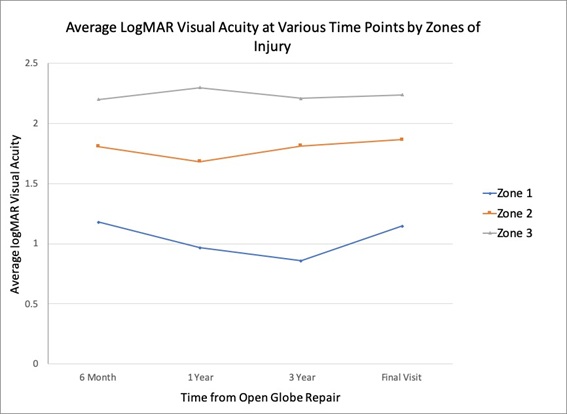
Figure 2: Average LogMAR visual acuity at various time points by zones of injury.*Significant difference (p<0.05) was noted in the visual acuity between eyes with injuries in 1) zone 1 vs. zone 2 at all years; 2) zone 1 vs. zone 3 at 3 years and final visit; 3) zone 2 vs. zone 3 at 6 months.
|
Type of Surgery |
Number (n) |
Percentage (%) |
Average Time from OGI repair (days±SD) |
|
Retina Surgery |
|||
|
Pars plana vitrectomy for retinal detachment with or without vitreous hemorrhage |
8 |
22 |
27±28 (one outlier at 221 days) |
|
Pars plana vitrectomy for vitreous hemorrhage only |
2 |
6 |
73±41 |
|
Pars plana vitrectomy/pars plana lensectomy for retinal detachment and cataract |
4 |
11 |
48±39 |
|
Pars plana vitrectomy and injection of intravitreal antibiotics |
2 |
6 |
3±1 |
|
Pars plana vitrectomy for macular hole |
1 |
3 |
21 |
|
Pars plana vitrectomy for tractional retinal detachment and proliferative vitreoretinopathy |
4 |
11 |
97±52 |
|
Pars plana vitrectomy for removal of silicone oil |
4 |
11 |
293±101 |
|
Pars plana vitrectomy with reinsertion of silicone oil for hypotony |
1 |
3 |
438 |
|
Cataract Surgery |
|||
|
Cataract extraction with intraocular lens placement (CEIOL) |
7 |
19 |
119±162 |
|
Intraocular lens placement |
4 |
11 |
618±639 |
|
Cornea Surgery |
|||
|
Penetrating keratoplasty (PKP) |
5 |
14 |
291±181 |
|
Second PKP |
3 |
9 |
707±539 |
|
Third PKP |
1 |
3 |
648 |
|
PKP with CEIOL |
2 |
6 |
251±116 |
|
PKP with IOL placement |
1 |
3 |
863 |
|
Superficial keratectomy for band keratopathy |
1 |
3 |
1249 |
|
Glaucoma Surgery |
|||
|
Tube Shunt Insertion |
2 |
6 |
699±713 |
|
Tube shunt removal for exposed tube |
1 |
3 |
525 |
|
Others |
|||
|
Ptosis repair |
1 |
3 |
424 |
|
Examination under anesthesia |
1 |
3 |
160 |
|
Enucleation |
1 |
3 |
1405 |
|
Strabismus surgery |
1 |
3 |
337 |
|
|
|
0-3 Months |
3-6 Months |
6 Month to 1 Year |
1-2 Years |
2-3 Years |
|
Zone 1 |
|
|
|
|
|
|
|
|
Pars plana vitrectomy (PPV) for endophthalmitis |
1 |
|
|
|
|
|
|
PPV for retinal detachment (RD)/vitreous hemorrhage (VH) |
2 |
2 |
|
|
|
|
|
PPV for traction RD (TRD) and proliferative vitreoretinopathy (PVR) |
1 |
|
|
|
|
|
|
Penetrating keratoplasty (PKP) |
1 |
1 |
2 |
|
2 |
|
|
Cataract extraction (CE) with intraocular lens (IOL) |
3 |
2 |
|
1 |
|
|
|
Secondary IOL |
|
1 |
|
|
|
|
|
Anterior segment reconstruction |
|
1 |
|
|
|
|
|
Strabismus |
|
|
1 |
|
|
|
|
Enucleation |
|
|
|
|
1 |
|
|
Total |
8 |
7 |
3 |
1 |
3 |
|
Zone 2 |
|
|
|
|
|
|
|
|
PPV for endophthalmitis |
1 |
|
|
|
|
|
|
PPV for RD/VH/macular hole |
10 |
|
1 |
|
|
|
|
PPV for TRD and PVR |
|
3 |
|
|
|
|
|
PPV for dislocated IOL/VH |
1 |
|
|
|
|
|
|
PPV for silicone oil (SO) removal |
|
|
2 |
1 |
|
|
|
PPV insertion of SO for hypotony |
|
|
|
1 |
|
|
|
CEIOL |
|
1 |
|
|
|
|
|
Secondary IOL |
1 |
|
|
|
1 |
|
|
PKP |
|
|
|
3 |
|
|
|
Glaucoma procedures |
|
1 |
1 |
|
1 |
|
|
Superficial keratectomy |
|
|
|
|
1 |
|
|
Ptosis repair |
|
|
|
1 |
|
|
|
Ruptured globe |
|
1 |
1 |
|
|
|
|
Total |
13 |
6 |
4 |
6 |
3 |
|
Zone 3 |
|
|
|
|
|
|
|
|
PPV for SO removal |
|
1 |
|
|
|
|
|
Secondary IOL |
|
|
|
|
1 |
|
|
PKP |
|
|
2 |
1 |
|
|
|
Repeat open globe injury |
|
|
1 |
|
|
|
|
Total |
0 |
1 |
3 |
1 |
1 |
Of the 14 eyes with RD, 3 (21%) had gas (C3F8) tamponade, and 11 (79%) had silicone oil (SO) tamponade. Eleven (79%) eyes achieved anatomic success after one surgery. Tractional retinal detachment from PVR occurred in 4 (28%) eyes at an average of 114 ± 73 days after the initial RD repair. All 4 eyes that underwent surgical repair and insertion of silicone oil achieved anatomic success. On average, 1.2±0.4 of PPVs were performed for RD repair with successful anatomic outcomes. Four (33%) of 11 eyes with SO tamponade underwent oil removal at an average 239±102 days (median, 313 days) after the initial PPV for RD repair. No eye developed retinal re-detachment after oil removal; 1 eye underwent re-insertion of SO for hypotony 105 days after the SO removal.
Two eyes with endophthalmitis had retained IOFBs with wood branch injury in one eye and zone 3 scleral rupture with staple gun injury in the other eye. Endophthalmitis developed at days-3 and -4 after OGR, respectively. The cultures were positive for pan-sensitive Staphylococcus epidermis (from staple gun injury) and Rhodotorula mucilaginosa (from wood branch), a unicellular pigmented yeast. The final VA of these eyes was Snellen 20/20 and HM. No eye presented with delayed onset (>6 weeks after injury) endophthalmitis.
Ten eyes presented with RD, and 2 eyes presented with VH only. The 2 eyes with VH subsequently developed RD after 1 month and underwent RD repair at 41 and 102 days after OGR, respectively. Ten (58%) of 17 eyes with uveal prolapse at presentation had an RD. Of the 10 eyes with RD, zone 3 injuries were present in 3 eyes, zone 2 injuries in 6 eyes, and zone 1 injury in 1 eye. Two eyes developed new VH and RD 2 weeks after OGR requiring PPV. On average, RD occurred 40.7 days after OGI (range: 1 to 221 days, median 17 days) if not noted at presentation. Mean post-op logMAR VA was 1.9 ± 0.6 (~ CF) and did not change at years-1 and -3 or at the final visit. Most (n=10 (83%) of 12) of RD surgeries were performed within 27 ± 28 days of OGI.
Of the 23 eyes with corneal injury, 3 had dehiscence of a prior PKP, and 20 had corneal or corneoscleral laceration. Of the eyes that underwent PKP, 1 new PKP was performed with the initial RGR because the previous dehiscent corneal graft was too damaged for repair. Six (30%) of 20 eyes with zone 1 or zone 2 cornea wounds required PKP; 2 eyes had 1 PKP surgery without graft failure; 3 eyes required a second PKP on average 707 ± 539 days (median 863 days) from the initial OGR; and 1 eye underwent 3 PKPs with the third PKP at 648 days from OGR.
Seven (19%) eyes developed traumatic glaucoma. Two eyes required glaucoma surgery (Ahmed tube shunt) at a mean follow-up of 3 years after OGI. Both eyes had zone 2 injuries. One eye had tube shunt exposure requiring shunt removal 330 days from the time of initial insertion. These eyes had VA of HM before glaucoma surgery, and the mean IOP was greater than 30 mm Hg despite maximal tolerated medical therapy. The final VAs were poor: NLP and HM. Five eyes without prior glaucoma history required long-term topical glaucoma medications varying between 1 to 3 classes of medications at 3 years after OGI. Four eyes had zone 2 injuries, and 3 had zone 1 injuries.
Nineteen (53%) of 36 eyes had cataract at presentation. Three eyes underwent cataract removal at OGR. Four had subsequent cataract extraction as part of PPV for RD repair due to poor view of the posterior segment on average 48 days after OGR. Six cataracts were removed within 1 month of OGI. The remaining cataracts progressed with time, and overall, cataracts were removed at an average of 119 ± 162 from the time of OGR (Tables 6 and 7). Of the 9 eyes with aphakia (7 due to lensectomy, 2 traumatically aphakic), 4 (44%) had secondary intraocular lens placement; 2 (22%) were fitted for aphakic contact lens; and 3 (33%) underwent no additional refractive management due to poor visual potential associated with either retinal or optic nerve damage from traumatic glaucoma. Among the intraocular lenses, 5 were ACIOLs, and 9 were PCIOLs in sulcus or in the bag.
One eye underwent enucleation. This eye presented with repeat OGI at the same site and underwent primary enucleation due to NLP vision. Three eyes developed NLP vision and phthisis at a mean of 3.6 years after OGI. The presenting VAs of the eyes were HM (n=2) and NLP (n=1). One patient developed sympathetic ophthalmia with VA of 20/30 Snellen in the sympathizing eye and LP in the injured eye. The injured eye had a nail-gun injury with initial presentation of uveal prolapse, traumatic cataract, and subsequent VH, RD, delayed recognition of a retained metallic IOFB, and submacular hemorrhage. After prompt high dose steroid treatment, the uveitis became quiescent within 3 months, and the patient has had no recurrence while on low dose maintenance oral steroid therapy. The traumatic eye was not enucleated.
Three eyes sustained repeat OGI at an average of 210 ± 57 days after initial OGR. Their VAs before the second OGI was HM, and the fellow eye vision varied between Snellen 20/20 to 20/50. One eye was primarily enucleated due to poor vision as noted above. Final VAs of the remaining 2 eyes were HM and CF at the last follow-up, respectively.
Discussion
Most case series involving OGI report a follow-up of 6 months (or more), so it is difficult to assess how these eyes function long-term [9,10]. At our trauma center, among 334 eyes with OGI in this 4-year timeframe, only 36 (11%) had at least 3 years of follow-up. In this small subset of eyes, the demographics were very similar to what we and others have reported previously [10,11]. Most (86%) patients in our series were young men with a mean age of 36 years. This younger, male predominant population is likely to be injured as result of lifestyle factors and work-related environment [9]. In our series, the great majority of eyes (88%) had zone 1 or zone 2 injuries.
Zone 2- and 3-injured eyes had more complications than zone 1-injured eyes and required more surgeries after OGR (Table 4). Most re-operations were performed in the first 6 months after OGR. Most eyes in the present series were zone 2-injured eyes. Zone 3 injuries tend to have poor visual outcomes despite posterior segment surgery, which may underlie the lower follow-up rate we observed for this cohort. The predicted visual outcome at 6 months using OTS was similar to the outcome at 3 years follow-up. Thus, the predicted visual outcome at 6 months using OTS scores may correlate with long-term visual outcome. Average visual outcome, however, was poor, and ranged between LP and CF.
The data presented here indicate that long-term follow-up in this population of patients is difficult. RD can develop weeks after OG injury or repair. Long term tamponade is frequently used in these eyes. Silicone oil was used as tamponade agent in 79% (11of 14) eyes that underwent RD repair in the presence of multiple retinal breaks, giant retinal tears, retinotomy/retinectomy, PVR, and poor compliance with positioning. Nowomiejska et al. [12] reported use of SO in 80% of traumatized eyes, which is similar to the high rate in the present report. The retinal re-detachment rate in eyes with OGI ranges from 24 to 38% [13,14], which is similar to the 28% rate in the present series. Final VA in eyes undergoing PPV for RD with or without VH was 20/400, which compares favorably with the reported outcome in a similar cohort [15].
Visual acuity at 6 months, 1 year, 3 years, and at final visit did not vary much with time (Figure 2). This study shows that vision predicted by OTS at 6 months is a good predictor of long-term visual acuity in such traumatized eyes.
Seven eyes (19%) developed traumatic glaucoma, and 2 needed glaucoma shunts for high IOP at an average duration of 699±713 days after OGR. Turalba et al reported that ocular hypertension was associated with hyphema, lens injury, and zone 2 open globe injuries, and 12% in their series required glaucoma drainage device surgery [16]. Another study reported a 2.7% incidence of traumatic glaucoma after penetrating ocular injury [17].
Ayalew et al. [18] reported that 8% of PKPs were performed for trauma-related indications. In the present series, 6 (26%) of 23 eyes with corneal injury underwent PKP at an average of 10 months (range: 80 to 863 days) after OGR with a graft failure rate of 66%. However, 4 eyes requiring PKP also had SO tamponade, which may have contributed to subsequent graft decompensation. This graft failure rate is higher than the 3-11% rate reported in non-traumatized eyes [19-21].
Cataract has been reported in 27-65% cases after ocular trauma [22,23]. In the present series, 53% of patients developed cataract after OGI. The majority (85%) of cataract extractions were performed in eyes with zone 1 injuries. Rapid progression of cataract occurred after OGI. Six phakic patients with a mean age of 41 ± 26 years had no or minimal cataract after OGR, but 16 developed progressive cataract and needed cataract extraction at a mean of 119 days after OGR. Almost half of the aphakic eyes underwent secondary ACIOL placement, and a fifth were fitted for rigid gas permeable contact lenses. Neither endophthalmitis nor chronic macular edema occurred in these eyes.
Both of the eyes with endophthalmitis had retained IOFBs and presented more than 24 hours after the OGI (3-4 days). Vitreous cultures grew pan-sensitive Staphylococcus epidermis and Rhodotorula mucilaginosa. These eyes had a poor visual outcome but did not progress to phthisis bulbi.
Final Snellen VA varied between 20/50 to LP in the 4 eyes with retained IOFBs. One eye with a wood foreign body in the anterior chamber had delayed presentation and developed endophthalmitis 4 days after initial OGI repair. Contaminated retained IOFBs may increase the risk of endophthalmitis. One may consider intracameral antibiotics for IOFBs, especially when the presentation for treatment after injury is delayed [24]. No eye had traumatic optic neuropathy as a complication.
Three eyes (8%) had final vision of NLP, the rate of which is lower than the 32% reported by Islam et al. [25]. This difference may be due to inherent bias in the present series in which only patients who were followed for 3 or more years were included. Patients with poor visual prognosis and NLP vision may have less motivation to follow-up long-term.
One patient (8%) with a nail gun IOFB developed sympathetic ophthalmia one year after OGR. This eye required 2 PPVs after OGR. The patient had good response to high dose systemic prednisone and has been followed with low dose oral prednisone maintenance with resolution of sympathetic ophthalmia without enucleation of the injured eye. The reported incidence of sympathetic ophthalmia after trauma or PPV is extremely low but may be increased by vitrectomy repair of OGI [26]. In this case, a cilium was found in the vitreous cavity during the first RD repair and was removed at the time. The nail was removed at the time of corneal laceration repair. Typically, sympathetic ophthalmia is associated with exposure of uveal tissue to the subconjunctival space [27,28].
In the present series, we identified 3 eyes with open globe injury after initial repair of OGI. In all 3 cases, the site of injury was the same as the initial one (2 in zone 1, 1 in zone 2). The visual prognosis after the second OGR was poor at HM, and one severely injured eye with NLP vision underwent primary enucleation.
This study is retrospective, which limits the availability of uniform data collection for each participant. Selection bias may be present, as this cohort represents patients with 3 years or more follow-up. Patients with NLP vision or phthisical eyes may not have kept their follow-up appointments knowing permanent loss of vision. Nonetheless, the data available to us indicate that the visual outcome in these eyes is poor with many patients requiring subsequent retina and/or glaucoma surgery. Prospective studies with a larger cohort are needed to further elucidate the surgical and visual outcomes long-term.
Conclusion
Overall, 50% of eyes had better than finger counting visual acuity at 3-year follow-up. Over three-fourths of the eyes required cornea, glaucoma, or retina surgery within 1 year after the initial OGR.
Financial Disclosures
MAZ is a consultant for: Boerhinger Ingelheim, Chengdu Konghang Biotech, Coherus Biosciences, Daiichi Sankyo, Frequency Therapeutics, Genentech/Roche, Healios KK, Iridex, Isarna Therapeutics, Makindus, Novartis Pharma AG, Ophthotech Corp., Percept Corp. All other authors have no financial disclosures.
All Authors attest that they meet the current ICMJE criteria for authorship.
References
2. Tielsch JM, Parver L, Shankar B. Time trends in the incidence of hospitalized ocular trauma. Archives of Ophthalmology. 1989 Apr 1;107(4):519-23.
3. Knyazer B, Bilenko N, Levy J, Lifshitz T, Belfair N, Klemperer I, Yagev R. Open globe eye injury characteristics and prognostic factors in southern Israel: a retrospective epidemiologic review of 10 years experience. The Israel Medical Association Journal. 2013 Mar 1;15(3):158-62.
4. Schmidt GW, Broman AT, Hindman HB, Grant MP. Vision survival after open globe injury predicted by classification and regression tree analysis. Ophthalmology. 2008 Jan 1;115(1):202-9.
5. BLOMDAHL S, NORELL S. Perforating eye injury in the Stockholm population: an epidemiological study. Acta Ophthalmologica. 1984 Jun;62(3):378-90.
6. Wickham L, Xing W, Bunce C, Sullivan P. Outcomes of surgery for posterior segment intraocular foreign bodies—a retrospective review of 17 years of clinical experience. Graefe's Archive for Clinical and Experimental Ophthalmology. 2006 Dec 1;244(12):1620-6.
7. Karlson TA, Klein BE. The incidence of acute hospital-treated eye injuries. Archives of Ophthalmology. 1986 Oct 1;104(10):1473-6.
8. Blanch RJ, Bishop J, Javidi H, Murray PI. Effect of time to primary repair on final visual outcome after open globe injury. British Journal of Ophthalmology. 2019 Oct 1;103(10):1491-4.
9. Colyer MH, Chun DW, Bower KS, Dick JS, Weichel ED. Perforating globe injuries during operation Iraqi Freedom. Ophthalmology. 2008 Nov 1;115(11):2087-93.
10. Entezari M, Rabei HM, Badalabadi MM, Mohebbi M. Visual outcome and ocular survival in open-globe injuries. Injury. 2006 Jul 1;37(7):633-7.
11. Al-Mahrouqi HH, Al-Harthi N, Al-Wahaibi M, Hanumantharayappa K. Ocular trauma: A tertiary hospital experience from Oman. Oman Journal of Ophthalmology. 2017 May;10(2):63.
12. Xia T, Bauza A, Soni NG, Zarbin MA, Langer PD, Bhagat N. Surgical management and outcome of open globe injuries with posterior segment complications: a 10-year review. InSeminars in Ophthalmology 2018 Apr 3 (Vol. 33, No. 3, pp. 351-356). Taylor & Francis.
13. Bauza AM, Emami P, Soni N, Holland BK, Langer P, Zarbin M, et al. A 10-year review of assault-related open-globe injuries at an urban hospital. Graefe's archive for clinical and experimental ophthalmology. 2013 Mar 1;251(3):653-9.
14. Nowomiejska K, Choragiewicz T, Borowicz D, Brzozowska A, Moneta-Wielgos J, Maciejewski R, et al. Surgical management of traumatic retinal detachment with primary vitrectomy in adult patients. Journal of Ophthalmology. 2017 Jan 1;2017.
15. Rouberol F, Denis P, Romanet JP, Chiquet C. Comparative study of 50 early-or late-onset retinal detachments after open or closed globe injury. Retina. 2011 Jun 1;31(6):1143-9.
16. Nashed A, Saikia P, Herrmann WA, Gabel VP, Helbig H, Hillenkamp J. The outcome of early surgical repair with vitrectomy and silicone oil in open-globe injuries with retinal detachment. American Journal of Ophthalmology. 2011 Mar 1;151(3):522-8.
17. Chee YE, Patel MM, Vavvas DG. Retinal detachment after open-globe injury. International Ophthalmology Clinics. 2013 Oct 1;53(4):79-92.
18. Turalba AV, Shah AS, Andreoli MT, Andreoli CM, Rhee DJ. Predictors and outcomes of ocular hypertension after open-globe injury. Journal of Glaucoma. 2014 Jan 1;23(1):5-10.
19. Girkin CA, McGwin Jr G, Morris R, Kuhn F. Glaucoma following penetrating ocular trauma: a cohort study of the United States Eye Injury Registry. American journal of ophthalmology. 2005 Jan 1;139(1):100-5.
20. Ayalew M, Tilahun Y, Holsclaw D, Indaram M, Stoller NE, Keenan JD, et al. Penetrating keratoplasty at a tertiary referral center in Ethiopia: indications and outcomes. Cornea. 2017 Jun;36(6):665.
21. Al-Wadani SF, Abouammoh MA, El-Asrar AM. Visual and anatomical outcomes after silicone oil removal in patients with complex retinal detachment. International Ophthalmology. 2014 Jun 1;34(3):549-56.
22. Moisseiev E, Ohana O, Gershovitch L, Barak A. Visual prognosis and complications following silicone oil removal. European Journal of Ophthalmology. 2013 Mar;23(2):236-41.
23. Zafar S, Bokhari SA, Kamil Z, Shakir M, Rizvi SF, Memon GM. Outcomes of silicone oil removal. Journal of College of Physicians and Surgeons Pakistan. 2013 Jul 1;23(7):476-9.
24. Dannenberg AL, Parver LM, Brechner RJ, Khoo L. Penetrating eye injuries in the workplace: the National Eye Trauma System Registry. Archives of Ophthalmology. 1992 Jun 1;110(6):843-8.
25. Slusher MM, Greven CM, David DY. Posterior chamber intraocular lens implantation combined with lensectomy-vitrectomy and intraretinal foreign-body removal. Archives of Ophthalmology. 1992 Jan 1;110(1):127-9.
26. Bhagat N, Nagori S, Zarbin M. Post-traumatic infectious endophthalmitis. Survey of Ophthalmology. 2011 May 1;56(3):214-51.
27. ul Islam Q, Ishaq M, Yaqub MA, Mehboob MA. Predictive value of ocular trauma score in open globe combat eye injuries. Journal of Ayub Medical College Abbottabad. 2016 Aug 28;28(3):484-8.
28. Gass JD. Sympathetic ophthalmia following vitrectomy. American Journal of Ophthalmology. 1982 May 1;93(5):552-8.
29. Croxatto JO, Rao NA, McLean IW, Marak GE. Atypical histopathologic features in sympathetic ophthalmia. International Ophthalmology. 1982 Feb 1;4(3):129-35.
30. Lubin JR, Albert DM, Weinstein M. Sixty-five years of sympathetic ophthalmia: a clinicopathologic review of 105, cases (1913–1978). Ophthalmology. 1980 Feb 1;87(2):109-21.