Loading


Journal of Biomed Research
ISSN: 2693-5910
Most Cited Articles
Syndrome similar to Familial Hypocalciuric Hypercalcemia (FHH) produced in mice deleted of the gene encoding transient receptor potential canonical channel 1 (TRPC1)
Bonnie Eby, Alexander Ku Lau, Meghan Pantalia, Usman Khan, Kai Lau
We recently found that global deletion of TRPC1 produces phenotypes similar to FHH. These TRPC1 null mice have mildly elevated serum Ca in both fasted and unfasted conditions from 3.5 through 21.5 months of age, and inappropriately elevated parathyroid hormone (PTH) levels. They also have hypocalciuria, similar to FHH patients.
J Biomed Res, 2022, Volume 3, Issue 1, p1-2 | DOI: 10.46439/biomedres.3.016
A longing for flawless awakening from general anesthesia
Yumiko Ishizawa, Jesus J. Ballesteros
Anesthetic recovery can be a critical period since neurocognitive problems such as agitation and delirium are often seen during the early recovery phase. We recently demonstrated that an α2-adrenergic agonist dexmedetomidine-induced unconsciousness and accompanying brain dynamics changes were completely and instantly reversed by the α2-adrenergic antagonist in the nonhuman primate model.
J Biomed Res, 2022, Volume 3, Issue 1, p3-5 | DOI: 10.46439/biomedres.3.017
Attaining highest honors: A study proposal for the medical student’s honors bar expectancy and values changes within medical education
Cheney Elizabeth Huls, Rachel Elizabeth Daum, Zachary Isaac Merhavy, Thomas Chandy Varkey
Expectancy-Value theory was originally proposed by John William Atkinson in the 1950s and 60s as an attempt to understand different behaviors of students including persistence, decision making when given multiple opportunities to choose from, and the effort of striving for success.
J Biomed Res, 2021, Volume 2, Issue 1, p16-21 | DOI: 10.46439/biomedres.2.008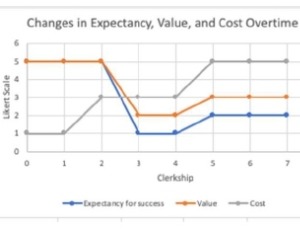
Commentary: SARS-CoV-2 new variants: Characteristic features and impact on the efficacy of different vaccines
Jiyun Zhou, Abbas Khan, Dong-Qing Wei
A recent article published by Abbas et al. in the Journal of Biomedicine and Pharmacotherapy systematically revealed about the vaccines developed against the recent pandemic agents SARS-CoV-2 and its variants [1]. The authors insightfully provided an overview on the distinct features of the SARS-CoV-2 new variants, the associated mortality rate, hospitalization, re-infection and finally the efficacy of different vaccines.
J Biomed Res, 2021, Volume 2, Issue 2, p45-46 | DOI: 10.46439/biomedres.2.014
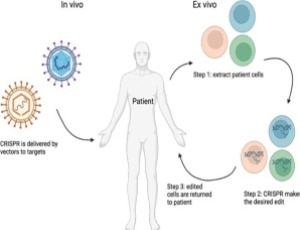
CRISPR-Cas systems: A revolution in genome editing and its diverse applications
Joseph Lin, Jun Yang
The clustered regularly interspaced short palindromic repeats (CRISPR) Cas (CRISPR6 associated protein) system is an advanced adaptive immune system found in prokaryotes. First discovered in1987, CRISPR Cas has revolutionized genetic research in the past two decades. CRISPR-Cas9 the most widespread system enables precise gene editing by creating double strand breaks.
J Biomed Res, 2024, Volume 5, Issue 1, p108-114 | DOI: 10.46439/biomedres.5.050