

Abstract
Introduction: Global agriculture faces substantial yield losses and environmental degradation caused by a heavy dependence on synthetic pesticides. As a sustainable alternative, the Neem tree (Azadirachta indica) produces bioactive compounds, such as azadirachtin, which function as natural insecticides. This study evaluates the efficacy of Neem extract sourced from Asmara, Eritrea, as a biological control against termites and organic fertilizer.
Methods: Dried Neem leaves were processed into a sprayable solution and tested against Macrotermes bellicosus. Efficacy was measured by wood weight loss and termite mortality within experimental and control groups. Additionally, an organic fertilizer derived from Neem seeds was applied to Lactuca sativa (lettuce) plots at two geographical sites to assess growth impact.
Results: The Control group exhibited a mean weight loss of 77.78% [95% CI: 14.53% -141.02%], while the Experimental group showed a mean loss of 52.78% [95% CI: 25.60% - 131.15%]. Although the Experimental group showed numerically lower weight loss but was not statistically significant (p = 0.3456). A Chi-square analysis of total weight distribution revealed a significant difference (x2 = 9.63, p = 0.0019). The Experimental group reached 100% mortality within 30 hours, whereas the Control group reached the same threshold only at 42 hours. The Mann-Whitney U test confirmed that the Experimental group experienced significantly faster mortality than the Control group (p = 0.0001). Regarding plant growth, medium-concentration plots yielded the largest mean leaf areas (918 cm² and 482.5 cm²), surpassing both control and high-concentration experimental groups.
Conclusion: While Neem extract is an effective biological control agent, further research is required to quantify its efficacy across diverse termite species and to evaluate the long-term impact of increased dosages on colony suppression.
Keywords
Neem Tree, Azadirachta indica, Termite, Macrotermes bellicosus, Biological Control, Organic Fertilizer
Introduction
Numerous plants are reported to possess insecticidal properties [1], providing a renewable, secure, and practical alternative to synthetic pesticides [2]. Concurrently, the Neem tree (Azadirachta indica), a species indigenous to the Indian subcontinent [3,4], has demonstrated substantial efficacy within integrated pest management frameworks [3,5]. This tropical evergreen is a natural product long utilized to address challenges in public health, agriculture, and the environment [6]. As an herbal remedy, Neem has been employed for millennia to combat insect infestations [6,7]. Today, Neem is naturalized across South America, Africa (including Eritrea), Australia, and tropical and subtropical Asia [3,8].
Neem’s primary active ingredient is azadirachtin [9,10], a complex limonoid that acts as a feeding inhibitor and growth regulator. Other components, such as salannin, nimbin, and nimbidin, further contribute to its efficacy as a repellent [11]. In agriculture, pests and diseases remain the primary limiting factors for high-quality yields. While synthetic pesticides initially mitigated these issues, their use in developing countries has led to environmental contamination and the development of pest resistance. Termites, specifically, Macrotermes bellicosus, pose a significant threat in Eritrea due to their consumption of cellulose, which impacts both agriculture and structural integrity [12,13]. Therefore, this study aims to establish the efficacy of the locally available Neem as both a bio-pesticide against these destructive termites and a bio-fertilizer for lettuce (Lactuca sativa) within the Eritrean context.
Methodology
Plant collection and identification
Leaves and seeds of Azadirachta indica were collected near Orotta Hospital in Asmara, Eritrea. Botanical taxonomic identification was subsequently conducted by Dr. Solomon Kibreab within the Department of Biology at the Mai Nefhi College of Science.
Preparation of plant material
The leaves were sun-dried for two weeks until complete moisture evaporation was achieved. Following desiccation, the plant material was pulverized into a homogeneous fine powder, transferred to hermetically sealed containers, and maintained under cool, anhydrous environmental conditions.
Extraction procedure
To prepare the aqueous extract at a 1:5 (w/v) solute-to-solvent ratio, 250 g of the pulverized plant material was immersed in 1.25 L of pre-boiled, cooled distilled water and subjected to maceration for a 24-hour period.
Experimental design and data collection
The efficacy of the botanical extract was evaluated by concurrent in situ (field) and ex situ (laboratory) bioassays, utilizing termite mortality rates and wood biomass loss as the primary quantitative metrics.
Termite collection and preparation
Specimens of M. bellicosus were sourced from an active mound. Species identification was performed by Mr. Michael Weldeslassie at the Department of Biology, Mai Nefhi College of Science. Excavation (Figure 1A) was conducted with minimal disruption to preserve the mound's ecological integrity for subsequent field tests. Before experimentation, the collected termites were divided into two equal groups and housed in cylinders containing tree bark for stabilization.
On-field experiment
For the on-field experiment, wood samples of specified weights were placed in the mound (Figure 1B); the control group was untreated, while the experimental samples were sprayed with the Neem solution. The samples were monitored hourly, and final weights were recorded to determine the total mass reduction.
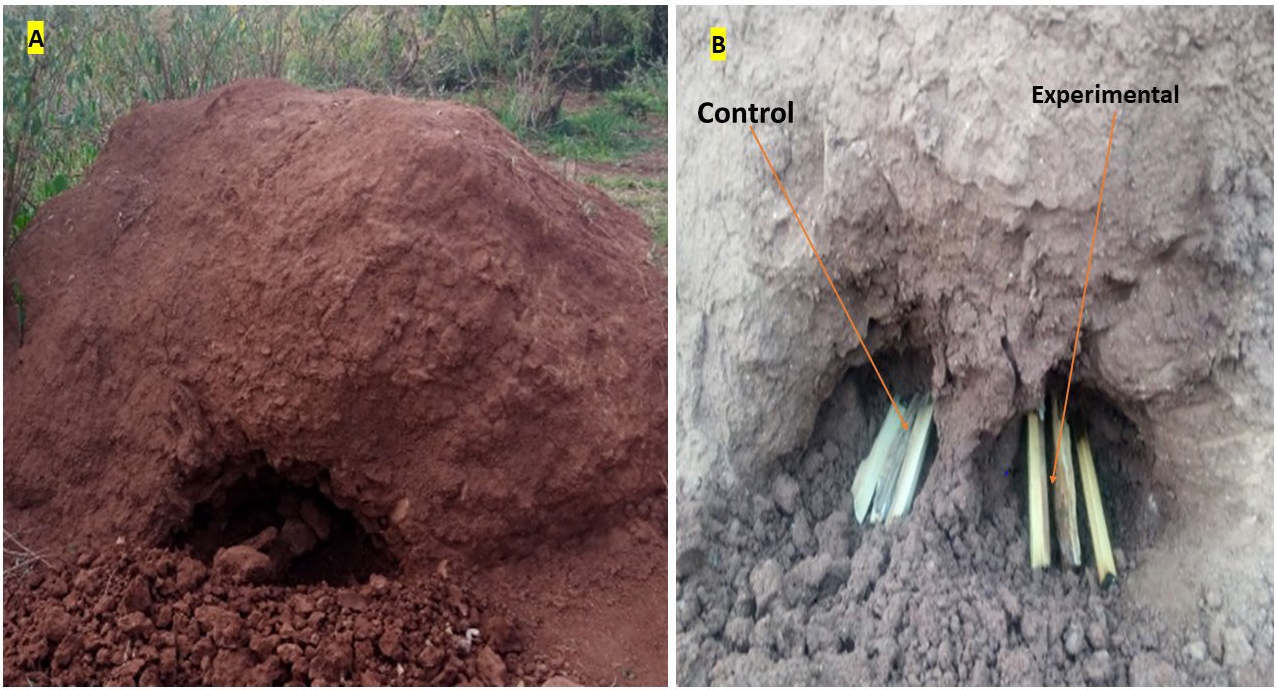
Figure 1: Excavated mound (a), control and experimental wood samples placed in the mound (b).
Off-field (laboratory) experiment
For the off-field laboratory experiment, termites were placed in ventilated containers and provided with either untreated bark (control) or bark soaked in 2 ml of the sample solution (experimental). Mortality was monitored at five-hour intervals; in the first 48 hours, both groups were provided with equal amounts of tree bark to ensure acclimatization and survival.
Weight loss analysis
To evaluate the impact of the experimental treatment on weight loss, three samples were analyzed for both the Control and Experimental groups. The percentage of weight loss was calculated using the formula (14):
% weight loss = (W1-W2 / W1) × 100 (1)
where,
W1 = Weight of the wood sample before treatment
W2 = Weight of the wood sample after exposure to Macrotermes bellicosus attack
Data were expressed as mean percentages ± standard deviation (SD). Differences between means were analyzed using an independent two-sample t-test. Additionally, a Chi-square (x2) test of independence was performed on the total weight lost versus remaining weight to assess the overall effect across the population.
Mortality rate analysis
Insect mortality was monitored over 42 hours with observations recorded every 6 hours. The experimental group was placed in Cylinder 1, while the control group was placed in Cylinder 2. The corrected mortality percentage (Mc) was determined using Abbott’s formula (1925) to adjust for natural mortality in the control group. Statistical significance in mortality distribution over time was evaluated using the Mann-Whitney U test and a Chi-square test at the 24-hour midpoint to compare survival rates between groups.
To account for natural death in the control group, the mortality rate of the termites was adjusted using Schneider-Orelli’s formula [14]:
MC =  (2)
(2)
where,
MC = Corrected mortality (%)
M2 = Mortality in the treated population (%)
M1 = Mortality in the control population (%)
Preparation of neem seed extract for fertilizer
Simultaneously, the fertilizing effect was assessed by preparing a seed extract. Dried Neem seeds were baked at 80°C for one hour, ground into powder, and fermented (5 kg of the crushed seeds were soaked in 2.5 L) for seven days in a cool environment, protected from direct sunlight. This extract was divided into three concentrations: T1 (25 g), T2 (50 g), and T3 (100 g), all soaked in 100 ml of distilled water.
Plant material and nursery management
Lactuca sativa (lettuce), known locally as "hamli," was propagated in nursery pots. Following a 15-day nursery period under regulated light and moisture conditions, the seedlings were transplanted into experimental locations in Asmara to account for varying environmental conditions: Garden near the Arobana Recreation Centre (Site 1) and in Itaro (Site 2), the latter featuring sandier soil and with less water availability. A randomized design was employed at both locations with six replications per treatment. Seedlings were transplanted with a consistent inter-plant spacing of 0.5 m. The prepared Neem solutions (T1, T2, and T3) were applied to the crops (Table 1) and the growth rate was quantified by measuring leaf area using the millimetre graph paper method.
|
Replication |
Plot 1 |
Plot 2 |
Plot 3 |
Plot 4 |
|
1 |
T1 |
T2 |
T3 |
C |
|
2 |
C |
T1 |
T2 |
T3 |
|
3 |
T2 |
T3 |
T1 |
C |
|
4 |
T3 |
C |
T1 |
T2 |
|
5 |
T1 |
T2 |
T3 |
C |
|
6 |
C |
T1 |
T2 |
T3 |
Results
Pesticide effect of neem: Wood weight loss and mound closure
The results regarding the pesticide effect revealed significant differences between the groups. In the control group, the excavated mound showed initial contraction within five hours and reached full closure at 12 hours (Figure 2B: c-b). After eight days, the control wood specimens showed a reduction in mass to a final weight of 20 g (Table 2). Conversely, the experimental group showed lower M. bellicosus activity; the hole remained open at 5 hours (Figure 2A: e-a) and only reached complete closure after 48 hours (Figure 2C: e-c). After eight days, the experimental wood specimens showed a reduction in mass to a final weight of 40 g (Table 2).
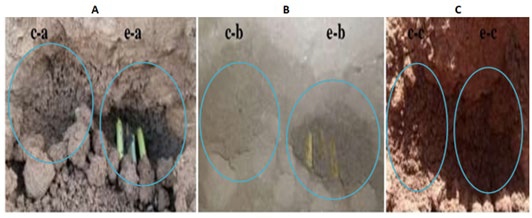
Figure 2: Shows the effect of Neem on the activity of M. bellicosus, both in terms of mound closure and wood weight reduction. Mound closure assessment was done at 5 hours (A), 36 hours (B) and 48 hours (C).
|
Sample |
Control |
% Loss |
Experiment |
% loss |
||
|
|
Initial |
Final |
|
Initial |
Final |
|
|
1 |
30 g |
5 g |
83% |
30 g |
10 g |
66% |
|
2 |
30 g |
15 g |
50% |
30 g |
25 g |
16% |
|
3 |
20 g |
0 g |
100% |
20 g |
5 g |
75% |
|
Total |
80 g |
20 g |
75% |
80 g |
40 g |
50% |
Although the experimental group exhibited a lower absolute mean weight loss (52.78%; 95% CI [25.60%, 131.15%]) relative to the control group (77.78%; 95% CI [14.53%, 141.02%]), an independent t-test demonstrated that this mean difference was not statistically significant (p = 0.3456), likely constrained by the limited sample size (n = 3). Conversely, a Chi-square analysis examining the total weight distribution revealed a highly significant variance (x2 = 9.63, p = 0.0019), indicating a population-level phenomenon wherein the control group sustained a significantly greater expenditure of total biomass.
Mortality rate
Significant differences were observed in insect mortality between the two groups (Figure 3 and Table 3). The Experimental group reached 100% mortality within 30 hours, whereas the Control group reached the same threshold only at 42 hours. At 24 hours, only 5% (1/20) of insects in the Experimental group survived, compared to 55% (11/20) in the Control group. The highest corrected mortality (Mc) was observed at the 18-hour interval (11%). The Mann-Whitney U test confirmed that the Experimental group experienced significantly faster mortality than the Control group (p = 0.0001).
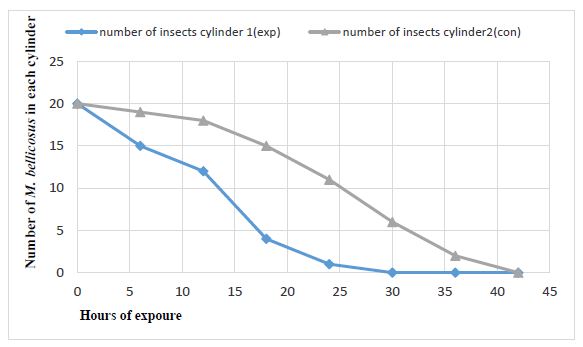
Figure 3: In laboratory mortality trials, the Y-axis represents the number of Macrotermes bellicosus in each cylinder, and the X-axis represents hours of exposure.
|
Hours of exposure |
Number of insects |
||
|
Cylinder 1 |
Cylinder 2 |
Mc |
|
|
0 |
20 |
20 |
0 |
|
6 |
15 |
19 |
4% |
|
12 |
12 |
18 |
6% |
|
18 |
4 |
15 |
11% |
|
24 |
1 |
11 |
10% |
|
30 |
0 |
6 |
6% |
|
36 |
0 |
2 |
2% |
|
42 |
0 |
0 |
0% |
Fertilizing effect of neem
Regarding the fertilizing effect (Table 4), Treatment 2 (T2) consistently produced the largest leaf area across both sites. At Site 1, T2 yielded 918.0 cm² compared to the control’s 556.0 cm². At Site 2, T2 yielded 482.5 cm² compared to the control’s 207.8 cm². Both Site 1 and Site 2 showed that T2 outperformed the higher concentration T3 (584.8 cm² and 255.3 cm², respectively).
|
Location |
Control |
T1 (25 g) |
T2 (50 g) |
T3 (100 g) |
|
Site 1 (Arobana) |
556.0 |
547.0 |
918.0 |
584.8 |
|
Site 2 (Itaro) |
207.8 |
243.0 |
482.5 |
255.3 |
Discussion
Neem’s properties as a pesticide and nitrification inhibitor can improve crop quality and agricultural yields. Compared to synthetic chemical inhibitors, cold-pressed Neem is highly environmentally beneficial [15]. In this study, the adjusted mortality rate (11%) increased over 18 hours of exposure to Neem extract before declining as the insect population diminished. These outcomes align favorably with extant literature [11]; notably, Azadirachta indica (Neem) seed oil has demonstrated substantial efficacy as a botanical biocide against diverse insect taxa, including Isoptera (termites), Blattodea (cockroaches), and Curculionidae (weevils). Our findings align with established studies [11] indicating that Neem trees have long been recognized for their ability to eliminate insect pests [16].
Azadirachta indica is widely acknowledged as a preeminent global botanical pesticide owing to its rapid biodegradability, minimal mammalian toxicity, and broad-spectrum bioactivity [17]. Natural pesticides are widely used because they are safe, inexpensive, and easily obtained [18]. Extracts from A. indica have been used to control approximately 400 insect species, as well as arachnids and nematodes [19]. However, Neem extracts do not easily penetrate wood samples in their raw form, which may account for the high percentage weight loss observed in treated samples [20]. Furthermore, the behavior of the oil can decrease overall efficiency in providing consistent pest control.
Furthermore, Azadirachta indica extracts are utilized as potent fumigants and insect repellents, while the structural timber exhibits inherent durability and robust resistance to Isoptera-mediated degradation. Literature indicates that the toxicity of azadirachtin varies between insect orders and is influenced by detoxifying enzyme activity and penetration rates [8]. The presence of additional terpenoids in crude Neem extract may have a synergistic effect, enhancing the potency of azadirachtin. Recent research indicates [21] that while azadirachtin is the primary driver, other limonoids such as nimbin, salannin, and gedunin work in tandem to disrupt pest growth more effectively than purified isolates.
The study confirms that Neem (A. indica) acts as a dual-action agent. Its active limonoids, such as azadirachtin, disrupt the feeding and growth of M. bellicosus, while its nutrient profile enhances the productivity of L. sativa. The 25% reduction in wood mass loss in the field highlights its potential as a protective barrier, although the raw extract's inability to penetrate deep into wood may limit long-term protection [22].
In our field study, the control group's excavated mound began to contract within five hours and reached full closure after 12 hours, whereas the experimental hole remained open at 36 hours. This confirms that the speculative effects of Neem also hold true in field conditions. The experimental group lost 50% mass compared to the control group’s 75% loss. Environmental factors, such as the high termite density within the mound and heavy rain during data collection, likely influenced these outcomes.
The results on insect mortality demonstrate a clear and statistically significant insecticidal effect in the Experimental group. The high mortality rate observed within the first 24 hours in Cylinder-1 suggests a rapid mode of action compared to the natural mortality observed in Cylinder-2. While the individual sample means for weight loss did not reach significance via t-test—likely due to the high variance and small sample size (n=3)—the total weight distribution analysis suggests the treatment may inhibit weight loss or degradation compared to untreated controls.
The use of Abbott’s formula ensured that the reported Mc values accounted for natural environmental factors, reinforcing that the observed deaths in Cylinder-1 were treatment-induced. Future studies should increase the sample size for weight measurements to better characterize the treatment's effect on biomass stability.
Neem improves crop quality through nitrification inhibition and its role as a soil conditioner. The study found that the yield of L. sativa was highly sensitive to the dosage of the extract, consistent with other studies [23,24]. The medium dose (T2) was found to be the most effective, whereas the higher concentration (T3) showed a comparative decline in productivity. This suggests that Neem cakes and extracts can significantly improve the nutrient base and soil structure for optimal agricultural output. These results were consistent across both sites, despite differences in soil texture and water availability.
The significant growth increase observed with T2 suggests that Neem seed extract acts as an efficient nitrification inhibitor, slowing the conversion of nitrogen in the soil and making it more available to the plant over time. The superior performance of the medium dose over the high dose (T3) indicates a potential threshold for nutrient absorption; excessive concentrations may lead to inhibitory effects or phytotoxicity. These results are highly relevant for Eritrean agriculture, as the extract showed its greatest relative impact in the nutrient-poor, sandy soils of Itaro, suggesting that Neem can serve as a vital soil conditioner and organic manure substitute in challenging environments.
Finally, while there is no strict need for standardization in the use of dried Neem leaves at the village level, processing facilities would require equipment such as decorticators and pulverizers. Beyond pest control, Neem extracts are utilized as fertilizers, soil conditioners, and animal feed, further demonstrating the tree's versatile agricultural utility [25].
Conclusion
Neem extract is an effective, affordable, and environmentally friendly alternative to synthetic chemicals for controlling M. bellicosus and enhancing crop yields in Eritrea. Future research should investigate higher dosages and efficacy against a broader range of agricultural pests to fully quantify its long-term impact on colony suppression.
Ethics Approval and Consent to Participate
Not applicable.
Consent for Publication
Not applicable.
Availability of Data and Material
The original contributions presented in the study are included in the article; further inquiries can be directed to the corresponding author.
Competing Interests
The authors declare that they have no competing interests.
Funding
The authors declared that this study had received no financial support
Author’s Contributions
MW: Participated in study design, coordination and supervised, reviewed and corrected the manuscript and prepared the manuscript for publication. DT and DB: contributed to the conception of the study, designed the study, participated in the data collection and data analysis. EIG: statistical analysis, reviewed, revised and corrected the manuscript. All authors read and approved the final manuscript for publication.
Acknowledgements
We would like to extend our gratitude to the Department of Agricultural Extension, Ministry of Agriculture for their cooperation.
References
2. Erdogan P, Yildirim A, Sever B. Investigations on the Effects of Five Different Plant Extracts on the Two‐Spotted Mite Tetranychus urticae Koch (Arachnida: Tetranychidae). Psyche: A Journal of Entomology. 2012;2012(1):125284.
3. World Neem Organisation. Neem Research Newsletter. India: World Neem Organisation; 2025: 5(1). Available from: https://worldneemorganisation.org/NeemDesc/43
4. Aneesa N. Beneficial effects of neem oil-An updated review. J.Pharm. 2016 Aug 1;8(8):756.
5. Boadu KO, Tulashie SK, Anang MA, Kpan JD. Toxicological analysis of the effect of neem tree extract in an organism. European Journal of Experimental Biology. 2011;1:160–71.
6. Wylie MR, Merrell DS. The Antimicrobial Potential of the Neem Tree Azadirachta indica. Front Pharmacol. 2022 May 30;13:891535.
7. Mondal E, Chakraborty K. Azadirachta indica-A tree with multifaceted applications: An overview. Journal of Pharmaceutical Sciences and Research. 2016 May 1;8(5):299.
8. Tesfaye B, Tefera T. Extraction of essential oil from neem seed by using Soxhlet extraction methods. International Journal of Advanced Engineering, Management and Science. 2017 Jun;3(6):239870.
9. Dubhashi S, Pranay V, Singaiah M, Satwik J, Prasad VV, Diwan PV. Studies on extraction and HPLC analysis of azadirachtin from kernels of neem seeds. J Adv Pharm Educ Res. 2013;3(1):57–60.
10. Dhus R, Aasaram K. Review on Recent Marketed Products Of Neem. India; IJCRT. 2022:10(11):2320–882. Available from: https://ijcrt.org/papers/IJCRT2211102.pdf
11. Rosemary B, Nestor AJ, Abalis OR. Efficacy of Azadirachta indica Leaf Powder and Ethanol Extract on Adult Periplanata americana under Laboratory Condition. Open Access Library Journal. 2018;5(4):1–4.
12. Wattimena CM, Latumahina FS. Effectiveness of botanical biopesticides with different concentrations of termite mortality. J. Belantara. 2021 Mar 1;4(1):66–74.
13. Aliyu M, Adebitan SA, Hussaini MA. Abundance and impact of insect pests on tomato (Solanum lycopersicum L.) production in some selected states of Northern Nigeria. Int J Innov Food Nutr Sustain Agric. 2025:13(1):34–45.
14. Mahmoudi K, Cheriti A, Boulenouar N, Bourmita Y, El Hadj MD. Efficacy of anti-termite extracts from four Saharan plants against the harvester termite, Anacanthotermes ochraceus. Pertanika Journal of Tropical Agricultural Science. 2021;44(4):865–77.
15. Gelen TT, Demirci T, Atun M, Akbay S, Tümük D, Avşar C, et al. Neem Oil: Classification and Environmental Risk Analysis for Application in the Fertiliser Industry and Agriculture. Kemija u industriji: Časopis kemičara i kemijskih inženjera Hrvatske. 2024 Nov 17;73(11-12):483–8.
16. Preetha S, Kannan M, Lokesh S, Gowtham V. Effect of neem oil based nanoemulsion on egg parasitoid, Trichogramma chilonis (Ishii) (Hymenoptera: Trichogrammatidae). J Biol Control. 2018;32(2):103–7.
17. Senthil-Nathan S. Neem's promise: The way to a sustainable future and eco-friendly biopesticides. International Journal of Science and Research Archive. 2024:11(2):1073–82.
18. Chowdhury SK, Banerjee M, Basnett D, Mazumdar T. Natural pesticides for pest control in agricultural crops: An alternative and eco-friendly method. Plant Sci. Today. 2024;11:433–50.
19. Gadi N. Effect of Azadirachta indica extracts on oriental leafworm, Spodoptera litura (Lepidoptera: Noctuidae). Chronicle of The New Researcher. 2017;2(1):1–5.
20. Revathy VS, Jacob AM, Binu N. Insecticidal efficiency of selected essential oils against stored pests Sitophilus orzyae and Callosobruchus maculatus by using GC–MS analysis. Scientific Reports. 2025 Nov 27;15:45477.
21. Dhakad AK, Kumar R, Choudhary R, Singh S, Khan S, Poonia PK. Traditional to modern perspectives on Neem (Azadirachta indica): A gateway to bioactive compounds, sustainable agrochemicals and industrial applications. Industrial Crops and Products. 2025 Sep 1;231:121155.
22. Machado GO, Cookson LJ, Christoforo AL, Polito WL, da Silva MR, Junior CC, et al. Wood preservation based on Neem oil: Evaluation of fungicidal and termiticidal Effectiveness. Forest Products Journal. 2013 Jan 1;63(5-6):202–6.
23. Al-Tawarah B, Alasasfa MA, Mahadeen AY. Efficacy of compost and vermicompost on growth, yield and nutrient content of common beans crop (Phaseolus vulgaris L.). Journal of Ecological Engineering. 2024;25(2):215–26.
24. Nwilene FE, Agunbiade TA, Togola MA, Youm O, Ajayi O, Oikeh SO, et al. Efficacy of traditional practices and botanicals for the control of termites on rice at Ikenne, southwest Nigeria. International Journal of Tropical Insect Science. 2008 Mar;28(1):37–44.
25. Roshan A, Verma NK. A brief study on neem (Azadirachta indica A.) and its application: a review. Res J Phytomedicine. 2015;1(1):1–3.