

Abstract
Objective: To evaluate the effectiveness of a standardized saphenous vein care program compared with unstandardized care on pain levels, lower extremity edema, surgical site infection, skin complications, and compliance with home care in patients after coronary artery bypass grafting (CABG).
Methods: A prospective, controlled interventional study was conducted on 110 patients undergoing coronary artery bypass grafting (CABG) at the Department of Postoperative Cardiovascular Surgery, Hue Central Hospital (July–September 2025).
Intervention group (n=55): received a standardized program including: bedside care according to a nursing checklist, sterile dressing changes according to standards, health education upon discharge using leaflets and instruction cards.
Control group (n=55): received unstandardized care lacking standardized protocols.
Observational variables: pain (VAS 0–10), lower limb edema (scale 0–3), surgical site infection, skin complications (seroma, hematoma, skin laceration), compliance with home care (%). Data were analyzed using SPSS 26; Continuous variables were analyzed using paired/independent t-test, categorical variables were analyzed using chi-square/Fisher Exact test, with p < 0.05 being significant.
Results: Pain (1): intervention group decreased from 4.2±1.1 to 1.7±0.9; control group decreased from 4.0±1.2 to 3.2±1.1 (p<0.001 between groups).
Lower limb edema: intervention group decreased from 2.1±0.7 to 0.8±0.5; The control group decreased from 2.0± 0.6 to 1.5±0.6 (p<0.001).
Surgical site infection: Reduced by 16% → 4% in the intervention group, reduced by 14% → 12% in the control group (p=0.02).
Skin complications: Reduced by 12% → 2% in the intervention group, reduced by 10% → 8% in the control group (p=0.03).
Home care compliance: 92% in the intervention group, 60% in the control group (p<0.001).
Conclusion: The standardized saphenous vein wound care program significantly reduced pain, edema, infection, and skin complications, and increased compliance with home care compared with standard care. The results of this study support the widespread adoption of standardized nursing interventions in post-coronary artery bypass graft (CABG) care.
Keywords
Wound care, Saphenous vein, Coronary artery bypass graft surgery, Nursing interventions, Post-operative care
Introduction
Coronary artery bypass grafting (CABG) is an effective treatment for patients with moderate to severe coronary artery disease [1,2]. During CABG, the saphenous vein is commonly harvested as a graft conduit, creating an additional incision in the lower limb that may lead to complications such as pain, edema, surgical site infection, and skin complications (seroma, hematoma, skin laceration). These complications negatively affect recovery, length of hospital stay, healthcare costs, and patient adherence to home-care instructions [3,4]. International studies report complication rates of 10–25% [2,3].
At the Department of Thoracic and Cardiovascular Surgery, Hue Central Hospital, approximately 200 CABG procedures are performed annually; however, no standardized nursing intervention program for saphenous vein donor site care has been implemented. Current practice relies mainly on individual experience, lacking standardized checklists, sterile dressing change protocols, and structured home-care instructions, resulting in inconsistent care and difficulties in complication control and clinical outcome evaluation.
Therefore, this study was conducted to evaluate the effectiveness of a standardized nursing intervention program for saphenous vein donor site care compared with routine care. The program consisted of:
- Daily bedside care using a standardized nursing checklist
- Sterile dressing changes following a structured protocol
- Structured discharge education using leaflets and instruction cards
Research objectives:
- To reduce pain, lower limb edema, infection, and skin complications at the donor site
- To improve home-care compliance
- To establish a standardized nursing intervention model applicable in Vietnam and aligned with international standards for postoperative CABG care
Methods
Study design
A prospective controlled intervention study was conducted at the Department of Cardiovascular Postoperative Care, Hue Central Hospital, from July to September 2025.
A total of 110 CABG patients were enrolled (55 intervention, 55 control).
Inclusion criteria
- Age ≥18 years
- Underwent saphenous vein harvesting for CABG
- Provided written informed consent
Exclusion criteria
- Coagulation disorders
- Preoperative lower limb infection
- Inability to cooperate
Standardized nursing intervention (Intervention group):
The intervention program consisted of three components:
Daily bedside care
Performed using a 10-item checklist (Table 1), developed based on current evidence-based recommendations for postoperative saphenous vein donor site care and standardized by the research team, including: hand hygiene, vital sign assessment, pain assessment (VAS 0–10), lower limb edema assessment (0–3 scale), donor site evaluation, sterile dressing and compression care, assisted mobilization, medication guidance, compression stocking use, and reporting abnormalities [4–7].
|
No. |
Assessment Item |
Criteria for Completion |
Yes |
No |
|
1 |
Hand hygiene |
Performed correctly using the 6-step technique before care |
☐ |
☐ |
|
2 |
Assessment of vital signs |
Pulse – blood pressure – temperature – SpO₂ fully recorded |
☐ |
☐ |
|
3 |
Pain assessment |
VAS 0–10 measured and managed appropriately |
☐ |
☐ |
|
4 |
Assessment of the saphenous vein harvest site |
Observe for redness – warmth – pain – discharge |
☐ |
☐ |
|
5 |
Assessment of edema |
Documented using the 0–3 grading scale |
☐ |
☐ |
|
6 |
Dressing change/compression & skin care |
Performed with proper sterile technique; appropriate compression; skin clean–dry–well protected |
☐ |
☐ |
|
7 |
Assisted mobilization & limb elevation |
Lower-limb exercises performed correctly + limb elevated ≥30 minutes |
☐ |
☐ |
|
8 |
Medication instruction |
Patient understands and adheres to anticoagulants/pain relievers |
☐ |
☐ |
|
9 |
Use of compression stockings |
Correct size – worn for the prescribed duration |
☐ |
☐ |
|
10 |
Recording abnormalities & reporting |
Report immediately when edema increases, pain worsens, fever develops, or abnormal discharge appears |
☐ |
☐ |
Checklist is adjusted to continuous day value, score 0–1 for each item
Sterile dressing change protocol: (Table 2)
- The primary objective of this protocol is to reduce surgical site infection and minimize donor-site complications, including seroma, hematoma, and skin laceration [2,5].
- Preparation of sterile equipment
- Patient preparation
- Removal of old dressing, cleaning, sterile re-dressing
- The primary objective of this protocol is to reduce surgical site infection and minimize donor-site complications, including seroma, hematoma, and skin laceration.
- Documentation and complication reporting
|
No. |
Assessment Item |
Criteria for Completion |
Yes |
No |
|
1 |
Preparation of sterile supplies |
Sterile gloves, sterile dressings, sterile gauze, 0.9% normal saline, and a complete sterile dressing set. |
☐ |
☐ |
|
2 |
Patient preparation |
Explain the procedure, ensure proper positioning, and clean the skin |
☐ |
☐ |
|
3 |
Dressing change procedure |
Remove old dressing using proper technique, check for exudate, clean the wound, and apply a new sterile dressing |
☐ |
☐ |
|
4 |
Compression & skin protection |
Apply compression with appropriate pressure; ensure skin is clean–dry–well protected; document any complications. |
☐ |
☐ |
|
5 |
Documentation & reporting |
Record in the patient’s chart and report to the physician if any signs of infection or complications are noted. |
☐ |
☐ |
Discharge health education (DHE): (Table 3)
- Instructions for patients on the use of anticoagulants, lower-limb exercises, compression stocking use, and care of the saphenous vein donor site at home [6,7].
- Educational materials were provided using leaflets and instruction cards with a compliance checklist (Table 3).
- The effectiveness of discharge health education was evaluated using a 20-item true/false knowledge test administered before and after the educational session (Table 4).
|
No. |
Assessment Item |
Criteria for Completion |
Yes |
No |
|
1 |
Use of anticoagulant medication |
Patient understands the medication name, dose, timing, and how to take it |
☐ |
☐ |
|
2 |
Lower-limb exercises |
Performs the exercises correctly according to the instructions: proper technique, frequency, and duration. |
☐ |
☐ |
|
3 |
Wearing compression stockings |
Wears the correct size for the appropriate duration as instructed. |
☐ |
☐ |
|
4 |
Care of the saphenous vein harvest site |
Keeps the site clean and dry, changes the dressing when needed, and reports any abnormalities |
☐ |
☐ |
|
5 |
Knowledge assessment |
Completes the 20-item test before and after the education session |
☐ |
☐ |
|
No. |
Question |
Before education |
After education |
|
1 |
The saphenous vein harvest site must always be kept clean and dry |
☐ |
☐ |
|
2 |
If the wound becomes red, swollen, or has purulent discharge, notify the doctor immediately. |
☐ |
☐ |
|
3 |
Dressing changes must follow the nurse’s instructions |
☐ |
☐ |
|
4 |
Patients may shower even if the wound becomes wet. |
☐ |
☐ |
|
5 |
Common complications include pain, edema, or infection. |
☐ |
☐ |
|
6 |
Anticoagulant medication helps prevent blood clots |
☐ |
☐ |
|
7 |
Take anticoagulants at the correct dose and at the correct time |
☐ |
☐ |
|
8 |
If you miss a dose, you may take the next dose doubled |
☐ |
☐ |
|
9 |
Bleeding, bruising, or dizziness should be reported to the doctor |
☐ |
☐ |
|
10 |
Lower-limb exercises help reduce edema and improve circulation |
☐ |
☐ |
|
11 |
Elevating the leg for ≥30 minutes helps reduce swelling |
☐ |
☐ |
|
12 |
Compression stockings only need to be worn while in the hospital |
☐ |
☐ |
|
13 |
Compression stockings must be the correct size and worn for the recommended duration |
☐ |
☐ |
|
14 |
Lower-limb exercises should be performed regularly as instructed |
☐ |
☐ |
|
15 |
Inspect the saphenous vein harvest site daily at home |
☐ |
☐ |
|
16 |
Increased pain, significant swelling, fever, or abnormal discharge should be reported to the doctor. |
☐ |
☐ |
|
17 |
Dressing changes at home must follow the nurse’s instructions |
☐ |
☐ |
|
18 |
It is acceptable to apply ointments or creams to the wound on your own |
☐ |
☐ |
|
19 |
Following postoperative instructions after discharge helps promote faster recovery |
☐ |
☐ |
|
20 |
Pre- and post-education tests help evaluate the effectiveness of health education |
☐ |
☐ |
Control group
- Received routine care including wound checks and dressing changes according to physician orders.
- No checklists or standardized education program were applied.
Outcome variables and measurement tools
Measurement tools were selected based on established clinical assessment methods. Pain was assessed using the Visual Analogue Scale (VAS, 0–10) [6]. Lower-limb edema was graded using a standardized 4-point clinical scale (0–3) [4,8]. Surgical site infection was evaluated according to CDC criteria for superficial incisional surgical site infection [5]. Skin complications (seroma, hematoma, and skin laceration) were assessed using standardized clinical definitions [3,4]. The discharge health education (DHE) checklist and 20-item knowledge test were developed based on institutional postoperative care protocols and relevant evidence-based recommendations (Table 5) [6,7].
|
Variable |
Tool / Scale |
Time |
|
Pain |
VAS 0–10 |
Daily |
|
Lower limb edema |
Scale 0–3 |
Daily |
|
Surgical site infection |
Redness, swelling, discharge |
Daily |
|
Skin complications |
Seroma, hematoma, skin laceration |
Daily |
|
Home-care compliance |
DHE checklist + 20-item test |
Pre–post education |
Ethics approval
The study adhered to the ethical principles of the Declaration of Helsinki (2013) [9]. All patients were clearly explained the objectives, content and benefits of the study when participating in the study and signed a voluntary consent form. The study did not introduce any additional invasive procedures beyond routine postoperative nursing care. Personal information was encrypted, kept absolutely confidential and used only for research purposes.
Data analysis
- SPSS 26
- Continuous variables: independent or paired t-tests
- Categorical variables: chi-square or Fisher’s exact test
Statistical significance: p<0.05
Results
The baseline demographic and clinical characteristics of the participants are presented in Table 6. There were no statistically significant differences between the intervention and control groups with respect to age, sex, body mass index (BMI), diabetes, or hypertension (all p>0.05), indicating that the two groups were comparable at baseline.
|
Variable |
Intervention group (n=55) |
Control group (n=55) |
p |
|
Age, mean±SD |
61.2±8.5 |
60.8±7.9 |
0.74 |
|
Sex (Male/Female) |
38/17 |
36/19 |
0.68 |
|
BMI, mean±SD |
24.5±3.1 |
24.2±2.9 |
0.63 |
|
Diabetes (%) |
22 (40%) |
20 (36%) |
0.68 |
|
Hypertension (%) |
35 (64%) |
33 (60%) |
0.68 |
Pain and swelling of lower limbs
Changes in pain intensity and lower-limb edema before and after the intervention are presented in Table 7 and Figure 1.
|
Variable |
Before education |
After education |
p |
|
Pain VAS (0–10) |
4.2±1.1 |
1.7±0.9 |
<0.001 |
|
Control group |
4.0±1.2 |
3.2±1.1 |
0.04 |
|
Lower-limb edema (0–3) |
2.1±0.7 |
0.8±0.5 |
<0.001 |
|
Control group |
2.0±0.6 |
1.5±0.6 |
0.02 |
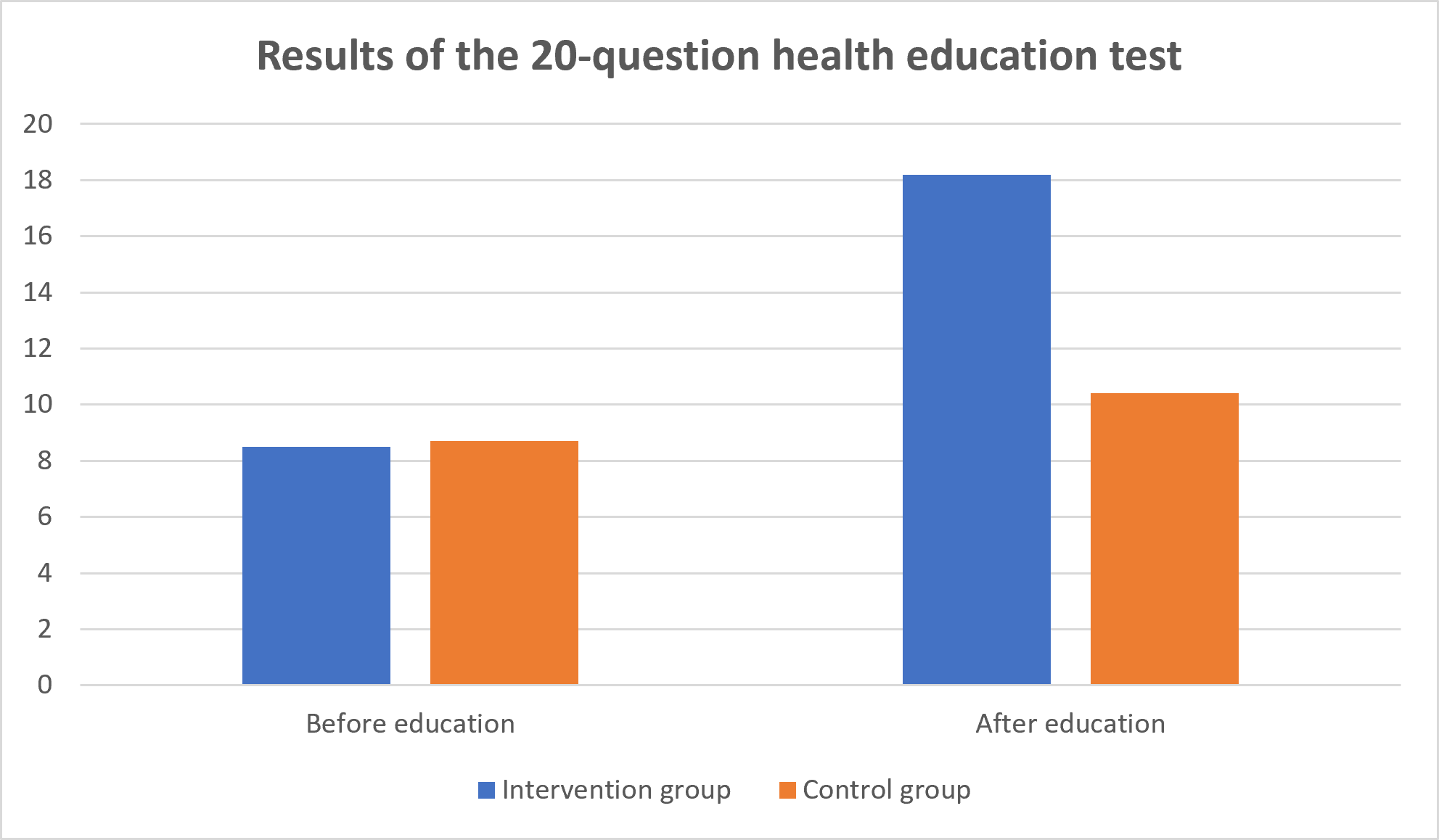
Figure 1. Pain and swelling of lower limbs.
Surgical site infections and skin complications
Standardized care significantly reduces the rate of infection and skin complications (Table 8, Figure 2).
|
Variable |
Intervention group |
Control group |
p |
|
Surgical site infection (%) |
4% (2/55) |
12% (7/55) |
0.02 |
|
Skin complications (%) |
2% (1/55) |
8% (4/55) |
0.03 |
Compliance with home care
The intervention group had significantly better adherence to home care than the control group (Table 9).
|
Variable |
Intervention group |
Control group |
p |
|
Adherence (% with adherence ≥80%) |
92% |
60% |
<0.001 |
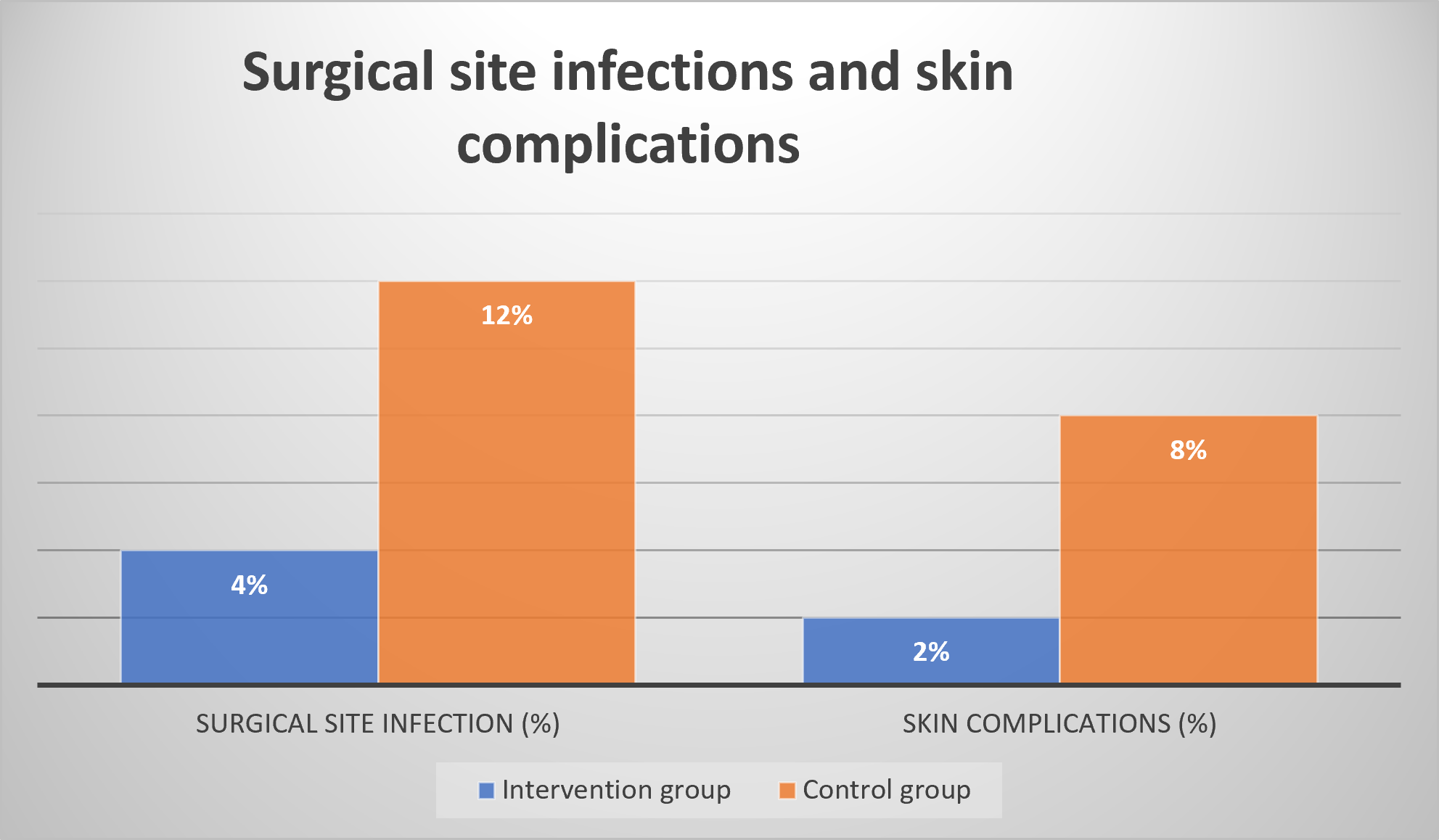
Figure 2. Surgical site infections and skin complications.
Results of the 20-question health education test
Standardized health education significantly increased patient understanding of saphenous vein care (Table 10, Figure 3).
|
Variable |
Intervention group |
Control group |
p |
|
Before education |
8.5±3.1 |
8.7±2.9 |
0.78 |
|
After education |
18.2±1.1 |
10.4±2.5 |
<0.001 |
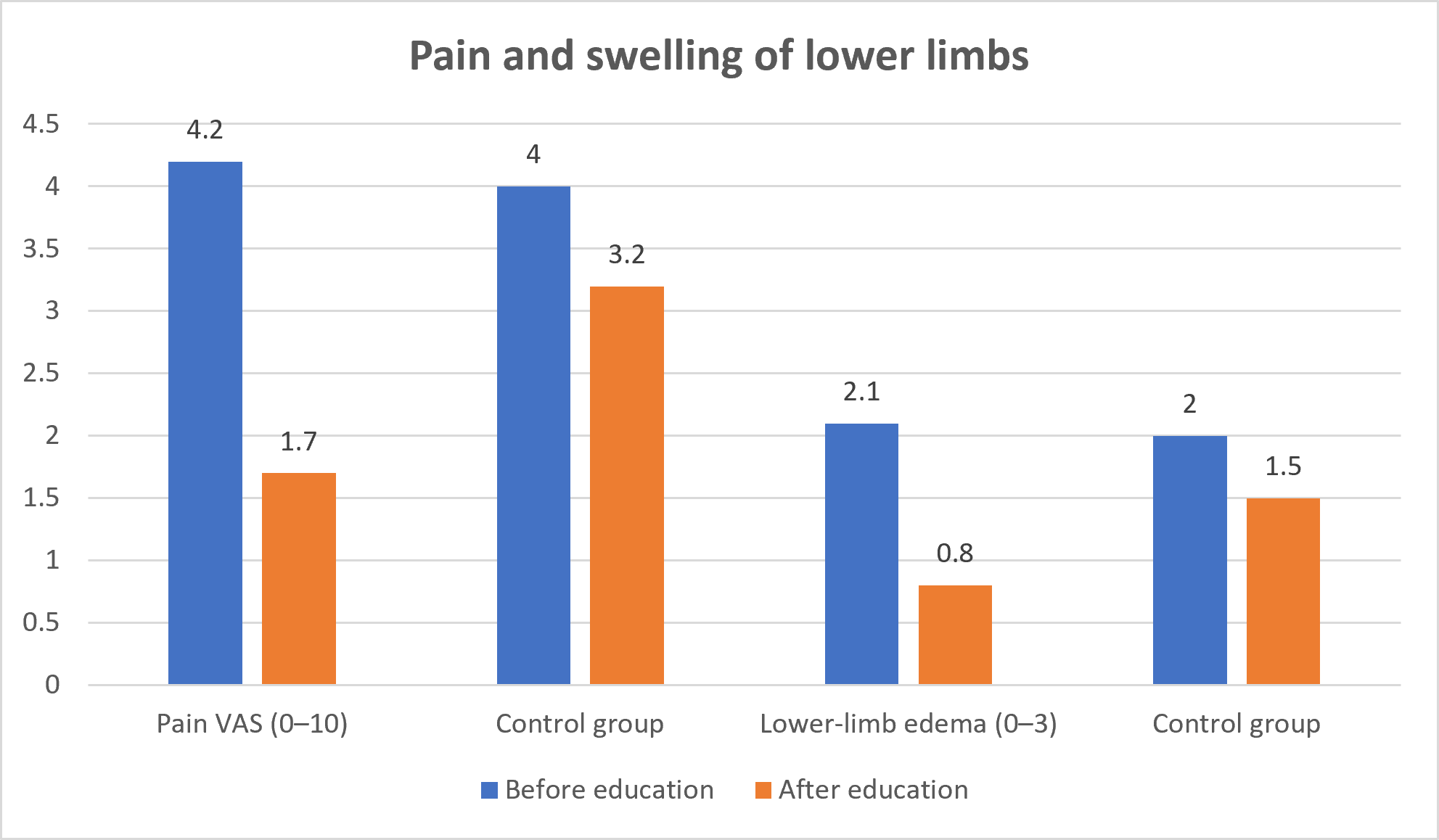
Figure 3. Results of the 20-question health education test.
Summary of main results
- The standardized care program reduced pain, lower extremity edema, surgical site infections, and skin complications compared with conventional care.
- Compliance with home care increased significantly in the intervention group.
- The 20-item test showed a clear effect of discharge health education.
Discussion
Effectiveness of the standardized care program on pain levels
The study results showed that pain at the saphenous vein harvest site in the intervention group decreased from 4.2±1.1 to 1.7±0.9, whereas the control group showed a smaller reduction from 4.0±1.2 to 3.2±1.1; the difference between the two groups was statistically significant (p<0.001). This demonstrates that the standardized care program plays an important role in postoperative pain control.
Both groups were assessed over the same postoperative observation period using the same daily pain assessment schedule. Therefore, the reduction in pain observed in the control group is consistent with the expected course of postoperative recovery, whereas the greater improvement in the intervention group reflects the additional effect of the standardized nursing intervention.
These findings are consistent with previous studies showing that systematic nursing care—including daily pain assessment, sterile dressing changes, and guided mobilization—helps reduce discomfort and promotes recovery. The use of a unified checklist minimizes omissions of pain-related factors, while proper compression and early mobilization reduce tissue tension and edema, thereby contributing to improved pain control.
Impact on lower-limb edema
Lower-limb edema significantly decreased in the intervention group (from 2.1±0.7 to 0.8±0.5; p<0.001), compared with the control group (from 2.0±0.6 to 1.5±0.6). This indicates that the core components of the program—appropriate compression, use of compression stockings, lower-limb exercises, and limb elevation—are highly effective.
Several studies have confirmed that edema following saphenous vein harvesting is associated with lymphatic injury and tissue fluid accumulation; therefore, early mobilization and consistent compression are key to improving circulation [4,7,8]. These results are entirely consistent with the findings of the present study.
Reduction of wound infection and skin complications
The study recorded a decrease in infection rates from 16% to 4% in the intervention group, while the control group showed only a slight reduction from 14% to 12% (p=0.02). Skin complications also decreased to 2% compared with 8% in the control group (p=0.03). These improvements are substantial and clinically meaningful.
This effect may be explained by:
- A standardized sterile dressing-change procedure that reduces cross-contamination risk [5].
- Daily wound assessment to detect abnormalities early [4,5].
- Proper compression techniques that reduce fluid accumulation, a common cause of seroma and hematoma [7,8].
The findings align with the work of other researchers, who reported that standardized care for the saphenous vein harvest site significantly reduced skin complications and infections [2–5].
Effectiveness of health education and adherence to home care
While the control group reached only 60% (p<0.001). Knowledge test scores also increased significantly from 8.5±3.1 to 18.2±1.1, compared with 10.4±2.5 in the control group.
This demonstrates that health education using leaflets, instruction cards, and follow-up knowledge assessments has a strong impact on maintaining proper home care. Clear, concise, and visual instructions accompanied by reassessment improve patient understanding and adherence an effect confirmed by many Vietnamese and international studies. The correlation between improved knowledge scores and better clinical outcomes further highlights the importance of standardized health education in modern nursing practice [6].
Comparison with other studies
Our study results align with the general trend of international research, in which standardized nursing interventions reduce pain, edema, and infection after CABG [3,4,6,7]. A key distinction is that the present study applies a model tailored to Vietnamese conditions, including a feasible nursing checklist, simplified sterile dressing procedures, and visual educational tools suitable for general hospitals.
Strengths of the study
- First development of a standardized care program for saphenous vein harvest sites at a major cardiac surgery center in Vietnam.
- Intervention design with a control group, continuous follow-up, and clearly defined measurement tools.
- The checklist, dressing-change protocol, educational leaflet, and instruction card are highly applicable for use in cardiac surgery departments.
Limitations of the study
- Conducted at a single center with a relatively small sample size (110 patients).
- Short follow-up period (until discharge), without evaluation of late complications (4–6 weeks).
- Home-care adherence was based on patient self-reporting, which may introduce bias.
Implications for practice
- The standardized care program should be integrated into routine practice in cardiac surgery departments.
- The checklist and sterile dressing-change procedure should be widely taught to nursing staff.
- Standardized assessment of pain, edema, and infection should be incorporated to increase consistency in patient care [5,6].
Conclusion
- The standardized care program for saphenous vein harvest sites after CABG significantly reduces pain, lower-limb edema, wound infection, and skin complications compared with routine care.
- It substantially improves patient adherence to home care and postoperative knowledge.
- It supports the standardization of nursing interventions and enhances postoperative care quality at the Department of Thoracic and Cardiovascular Surgery, Hue Central Hospital.
- The findings confirm that this is a feasible, safe, and clinically valuable intervention for postoperative CABG patients.
Recommendations
Wider implementation of the standardized care program
- Cardiac postoperative departments in Vietnam should adopt this program to reduce harvest-site complications, pain, and lower-limb edema.
- Checklists, sterile dressing-change protocols, and discharge health-education materials should be standardized and uniformly applied.
Nursing training and practice standardization
- Organize training courses for nurses on standardized interventions: bedside care, sterile dressing techniques, complication monitoring, and patient education.
- Update nursing manuals and internal departmental guidelines to ensure consistency.
Directions for future research
- Evaluate late complications, quality of life, and long-term adherence after discharge.
- Expand the model to other surgical wound sites or diverse cardiac surgery populations.
- Compare the effectiveness of short-term versus long-term standardized interventions to optimize care programs.
References
2. Sharma M, Fakih MG, Berriel-Cass D, Meisner S, Saravolatz L, Khatib R. Harvest surgical site infection following coronary artery bypass grafting: risk factors, microbiology, and outcomes. Am J Infect Control. 2009 Oct;37(8):653–7.
3. East SA, Lorenz RA, Armbrecht ES. A retrospective review of leg wound complications after coronary artery bypass surgery. AORN J. 2013 Oct;98(4):401–12.
4. Unosson H, Nyman MH, Brynhildsen KF, Friberg Ö. Risk factors for infection at the saphenous vein harvest site after coronary artery bypass grafting surgery: a retrospective cohort study. J Cardiothorac Surg. 2024 May 31;19(1):310.
5. Allegranzi B, Bischoff P, de Jonge S, Kubilay NZ, Zayed B, Gomes SM, et al; WHO Guidelines Development Group. New WHO recommendations on preoperative measures for surgical site infection prevention: an evidence-based global perspective. Lancet Infect Dis. 2016 Dec;16(12):e276–87.
6. Kurt Y, Kaşikçi M, Malaska R. Nursing interventions to prevent pressure injury among open heart surgery patients: A systematic review. Nurs Crit Care. 2024 Nov;29(6):1706–20.
7. Panahi P, Ilyas AA, Lloyd C, Marchbank A, Unsworth-White J. A review of the best method of leg wound closure following open harvesting of the long saphenous vein for coronary artery bypass grafting. Ann Med Surg (Lond). 2021 Sep 13;70:102855.
8. Lommerud S, Hofoss D. Leg wound infection after coronary artery bypass grafting: A natural experiment comparing use and non-use of a compression stocking. Eur J Cardiovasc Nurs. 2017 Feb;16(2):136–42.
9. World Medical Association. World Medical Association Declaration of Helsinki: ethical principles for medical research involving human subjects. JAMA. 2013 Nov 27;310(20):2191–4.