Loading


Journal of Cancer Biology
ISSN: 2692-7896
Latest Articles
Exercise and its influence on the tumor microenvironment — the role of muscle-cancer cross talk
Dorothea Clauss , Nadira Gunasekara , Wilhelm Bloch
Exercise is increasingly being recognized as an important part of cancer treatment, as it has been shown to alleviate treatment- and disease-related side effects and improve quality of life of patients with cancer. Furthermore, exercise has been linked to a reduced risk of cancer recurrence, particularly in cases of breast and colorectal cancer. In recent years, the question has come to the forefront: “How?” does exercise influences cancer survival, and with it the interest in the underlying physiological mechanisms.
J Cancer Biol, 2026, Volume 7, Issue 1, p1-2 | DOI: 10.46439/cancerbiology.7.081
Wearable device for detection and elimination of cancer cells at inception: birth of a new era
Kambiz Afrasiabi
Despite major advances in molecular oncology and cancer therapeutics, early detection remains a critical limitation for many malignancies. Current screening approaches rely largely on anatomical or morphological changes, highlighting a persistent gap between modern biological understanding of cancer and its clinical application. This article examines the evolution of cancer biology and explores why these advances have not yet translated into effective early detection strategies.
J Cancer Biol, 2026, Volume 7, Issue 1, p3-6 | DOI: 10.46439/cancerbiology.7.082
Molecular subtypes of breast cancer in Nigeria: clinicopathological insights from immunohistochemical profiling
Adesoji E. Adetona , Iyanuoluwa Olajumoke Oso , Adesola H. Oniye , Grace T. Akojede , Stephen K. Ogunlade , Ezinne C. Obii- Okpala
Breast cancer remains the most frequently diagnosed malignancy among women worldwide and a leading cause of cancer-related mortality. Its burden continues to rise in low- and middle-income countries, where late presentation, limited diagnostic capacity, and uneven access to targeted therapies contribute substantially to poor outcomes.
J Cancer Biol, 2026, Volume 7, Issue 1, p7-14 | DOI: 10.46439/cancerbiology.7.083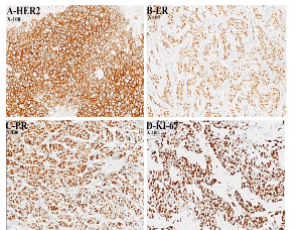
Preoperative radiation boost in early-stage breast cancer: a focused report
Firas Eladoumikdachi , Bruce Haffty
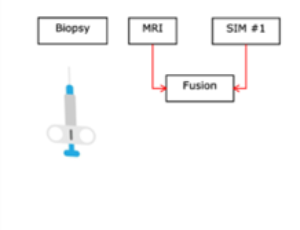
In breast-conserving therapy, whole-breast radiotherapy (WBRT) followed by a postoperative tumor bed boost is the standard approach for patients at increased risk of local recurrence [1–6]. However, postoperative boost delivery is limited by challenges in tumor bed delineation after surgery, particularly in the setting of oncoplastic reconstruction, and may prolong overall locoregional treatment time. Historical concerns regarding wound healing have limited the use of preoperative breast radiotherapy, though these concerns largely stem from experiences with whole-breast irradiation rather than limited-volume boost dosing [7,8].
J Cancer Biol, 2026, Volume 7, Issue 1, p15-18 | DOI: 10.46439/cancerbiology.7.084