Loading


Journal of Cancer Biology
ISSN: 2692-7896
All Articles
Machine learning methods for prostate cancer diagnosis
Abedalrhman Alkhateeb, Govindaraja Atikukke, Luis Rueda
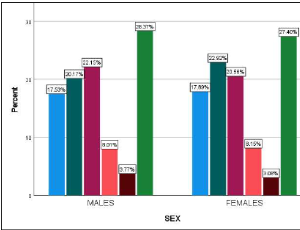
Prostate cancer (Pca) is one of the most common cancers among men worldwide. The current screening methods lack effectiveness such as prostate-specific antigen (PSA) and Magnetic resonance imaging (MRI), and some others come with pain such as biopsy. Understanding the genomic behavior of the disease may play a key part in designing more effective, accurate, and less invasive diagnosis measures. Pca has many clinical features to describe the spread and the aggressiveness of the tumor including Gleason score, TNM staging system, and the location of the tumor in the prostate gland which is known as laterality.
J Cancer Biol, 2020, Volume Volume 1, Issue Issue 3 | DOI: 10.46439/cancerbiology.1.014
Network-based poly-pharmacological study sheds light on effective active constituents in Compound Kushen Injection preparations against lung cancer
Qian Cai, Hui-Heng Lin
Traditional Chinese Medicine (TCM), the world’s oldest known herbal medicine, has long been used in several Asian countries. Emerging evidence has demonstrated their effectiveness and safety in the treatment of various diseases, ranging from mild flu to severe cancers. A great number of patients have benefited by receiving TCM therapies. However, due to the complex chemical compositions of TCM, which could produce highly complex compound-protein binding interactions, the molecular mechanisms underlying the pharmacological actions of TCM still remain poorly understood. Specifically, it is difficult to identify and isolate the effective constituents from the mixture of many compounds, even the therapeutic targets are known.
J Cancer Biol, 2023, Volume Volume 4, Issue Issue 1, p1-2 | DOI: 10.46439/cancerbiology.4.047
Exercise and its influence on the tumor microenvironment — the role of muscle-cancer cross talk
Dorothea Clauss, Nadira Gunasekara, Wilhelm Bloch
Exercise is increasingly being recognized as an important part of cancer treatment, as it has been shown to alleviate treatment- and disease-related side effects and improve quality of life of patients with cancer. Furthermore, exercise has been linked to a reduced risk of cancer recurrence, particularly in cases of breast and colorectal cancer. In recent years, the question has come to the forefront: “How?” does exercise influences cancer survival, and with it the interest in the underlying physiological mechanisms.
J Cancer Biol, 2026, Volume Volume 7, Issue Issue 1, p1-2 | DOI: 10.46439/cancerbiology.7.081
Safety and efficacy of immune checkpoint inhibitors in cancer patients with pre-existing autoimmune disease
Wint Yan Aung, MD, Margaret Locke, Adit Singhal, MD, Nagashree Seetharamu, MD
The advent of immune checkpoint inhibitors (ICI) targeting CTLA-4 and PD-1/PD-L1 pathways has revolutionized cancer treatment with significantly improved outcomes across a spectrum of cancers [1,2]. Although ICI therapy offers significant clinical benefits, these treatments can also lead to various immune-related adverse events (irAEs) that may negatively impact patient outcomes. Although the precise mechanism of irAE is not fully understood, they demonstrate many clinical features similar to autoimmune diseases. IRAEs are thought to result from bystander effects of activated T-cells, cross-reactivity between tumor and host tissues, and the role of the gut microbiome in immune activation [3].
J Cancer Biol, 2025, Volume Volume 6, Issue Issue 1, p1-3 | DOI: 10.46439/cancerbiology.6.068
Implications of the USP10-HDAC6 axis in lung cancer - A path to precision medicine
Xiaohong Mary Zhang, Navnath Gavande, Prahlad Parajuli, Gerold Bepler
Lung cancer is the leading cause of cancer death among both men and women in the United States. Because lung cancer is genetically heterogeneous, tailored therapy alone or in combination with chemotherapy would increase patient overall survival as compared with the one-size-fits-all chemotherapy. TP53-mutant lung cancer accounts for more than half of all lung cancer cases and is oftentimes more aggressive and resistant to chemotherapy. Directly targeting mutant p53 has not yet been successful, so identification of novel therapy targets and biomarkers in the TP53-mutant lung cancer is urgently needed to increase the overall survival in this subgroup.
J Cancer Biol, 2021, Volume Volume 2, Issue Issue 1, p1-5 | DOI: 10.46439/cancerbiology.2.015
Correlation of bone marrow morphologic assessment and genetic aberrations in plasma cell myeloma with clinical outcomes
Tayler van den Akker, Yansheng Hao, Julie Teruya-Feldstein
Plasma cell myeloma is a hematopoietic neoplasm with morphologic and genetic heterogeneity. Genetics have been shown to play an important role in risk stratification of plasma cell myeloma however the correlation between genetic aberrations and morphologic features is not well studied. In performing a systematic study of 266 multiple myeloma bone marrow biopsies from 329 patients, we initially investigated the association between bone marrow morphology, conventional cytogenetics, gene expression profiling and gene mutations
J Cancer Biol, 2020, Volume Volume 1, Issue Issue 1, p1-6 | DOI: 10.46439/cancerbiology.1.001
Selectively depleting the energy of cancer cells: A new therapeutic paradigm
Hilmar M Warenius MA, MB, Bchir, PhD, FRCP, FRCR1
Over the past fifty years the somatic mutation theory of cancer has emerged as the most successful explanation of the molecular phenotype of human cancer cells. Normal non-mutated genes may, however, also play a role in carcinogenesis. In particular these may contribute to aerobic glycolysis and the potential interaction of PKM2 and Cdk4 in helping the nascent cancer cell avoid apoptosis by the interaction of their respective amino acid sequences: anionic SDPTEA and cationic PRGPRP. It is proposed that cancer first occurs in normal
J Cancer Biol, 2024, Volume Volume 5, Issue Issue 1, p1-10 | DOI: 10.46439/cancerbiology.5.057
Evaluation of clinical outcomes in muscle-invasive bladder cancer patients based on molecular subtypes
Dina Moustafa Mouhamed Darwish, Asmaa Mohamed El-Kady, Darin Abd El-Aziz Mohamed Ali, Fatma Zakaria Hussein
Bladder cancer is the most common malignancy involving the urinary system and the tenth most common malignancy worldwide. Bladder cancer is the fourth most common cancer and the fifth most leading cause of cancer death in Egypt. This study aimed to assess all patients’ molecular subtypes (basal & luminal) of muscle-invasive bladder cancer and its impact on response to neoadjuvant chemotherapy and survival.
J Cancer Biol, 2022, Volume Volume 3, Issue Issue 1, p1-11 | DOI: 10.46439/cancerbiology.3.036
Wearable device for detection and elimination of cancer cells at inception: birth of a new era
Kambiz Afrasiabi
Despite major advances in molecular oncology and cancer therapeutics, early detection remains a critical limitation for many malignancies. Current screening approaches rely largely on anatomical or morphological changes, highlighting a persistent gap between modern biological understanding of cancer and its clinical application. This article examines the evolution of cancer biology and explores why these advances have not yet translated into effective early detection strategies.
J Cancer Biol, 2026, Volume Volume 7, Issue Issue 1, p3-6 | DOI: 10.46439/cancerbiology.7.082
Cyclin A2 and Ki-67 proliferation markers could be used to identify tumors with poor prognosis in African American women with breast cancer
Desta Beyene, Tammey Naab, Victor Apprey, Luisel Ricks-Santi, Ashwini Esnakula, Mustafa Qasim, Matthew George, Karen G Minoza, Robert L Copeland Jr, Carolyn Broome, Yasmine Kanaan
Eight protein biomarkers (ER, PR, HER2, Cyclin A2, Cytokeratin 5, Vimentin, Bcl2, and Ki-67) were evaluated using tissue microarrays (TMAs) and immunohistochemistry (IHC). The IHC results from TMAs were analyzed by both supervised and unsupervised clustering methods. The predictive clusters for the supervised and unsupervised methods were compared for agreement with the empirical classification. Kappa values were used to determine the overall percent correct clusters and agreement between specific clusters.
J Cancer Biol, 2023, Volume Volume 4, Issue Issue 1, p3-16 | DOI: 10.46439/cancerbiology.4.048
Advances in glyconanotechnology based biomedical applications
Divya Kamath, Stefan H. Bossmann
There is an emerging awareness in cancer biology that glycobiology plays a significant, if not decisive role in oncogenesis, tumor survival, and proliferation. The human glycome is even more complex than the human genome, because glycans are synthesized as secondary gene products by sequentially acting glycosidases and glycosyltransferases. Glycans act as a communication system within the organism and between different organisms.
J Cancer Biol, 2025, Volume Volume 6, Issue Issue 1, p4-9 | DOI: 10.46439/cancerbiology.6.069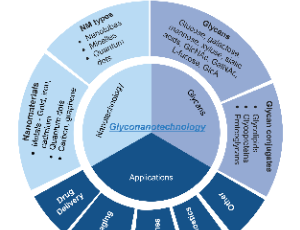
Granular cell tumor (Abrikossoff's tumor) of the tongue: A case report
Pedro Dias Ferraz
Granular cell tumor, also known as Abrikossoff’s tumor, is a benign tumor that is relatively rare and is slightly more common in female patients, with a higher prevalence between the fourth and sixth decades of life although it is possible to appear at any age. It can appear in any part of the body but about 45-65% of all the lesions appear in the head or neck areas. Intraoral lesions represent about 70% of these cases.
J Cancer Biol, 2021, Volume Volume 2, Issue Issue 1, p6-9 | DOI: 10.46439/cancerbiology.2.016
CD133 and centrosomes: How CD133 inhibits autophagy and induces the undifferentiated state of cancer cells at centrosomes
Hideki Izumi
CD133 is a transmembrane protein that mainly localizes to the plasma membrane of normal stem cells as well as cancer stem cells, and is widely known as a cancer stem cell marker. CD133 was recently shown to localize in the cytoplasm; however, its transport pathway and functions currently remain unknown.
J Cancer Biol, 2020, Volume Volume 1, Issue Issue 1, p7-9 | DOI: 10.46439/cancerbiology.1.002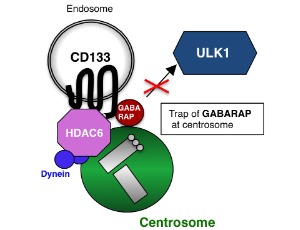
Molecular subtypes of breast cancer in Nigeria: clinicopathological insights from immunohistochemical profiling
Adesoji E. Adetona, Iyanuoluwa Olajumoke Oso, Adesola H. Oniye, Grace T. Akojede, Stephen K. Ogunlade, Ezinne C. Obii- Okpala
Breast cancer remains the most frequently diagnosed malignancy among women worldwide and a leading cause of cancer-related mortality. Its burden continues to rise in low- and middle-income countries, where late presentation, limited diagnostic capacity, and uneven access to targeted therapies contribute substantially to poor outcomes.
J Cancer Biol, 2026, Volume Volume 7, Issue Issue 1, p7-14 | DOI: 10.46439/cancerbiology.7.083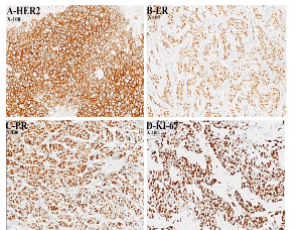
Perturbation of cellular integrity by nicotine: A major component of e-cigarette smoke
Suthakar Ganapathy, Qiang Zhang, Takashi Nishioka, Alexandros Makriyannis, Changyan Chen
In recent years, the use of electronic cigarettes (e-cigarettes) or “vape” in which nicotine is the major component has been dramatically increasing, particularly among teenagers and young adults. This is due to a general perception that e-cigarettes are harmless to use, in particular for the cessation of tobacco smoking. Thus, a better understanding of whether e-cigarettes pose a risk to human health is urgently needed. Nicotine exposure can accelerate malignant growth of cancer cells.
J Cancer Biol, 2021, Volume Volume 2, Issue Issue 1, p10-14 | DOI: 10.46439/cancerbiology.2.017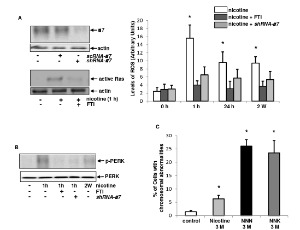
Role of H3K9 demethylases in DNA doublestrand break repair
Hee-Young Jeon, Arif Hussain, Jianfei Qi
H3K9 demethylases can remove the repressive H3K9 methylation marks on histones to alter chromatin structure, gene transcription and epigenetic state of cells. By counteracting the function of H3K9 methyltransferases, H3K9 demethylases have been shown to play an important role in numerous biological processes, including diseases such as cancer.
J Cancer Biol, 2020, Volume Volume 1, Issue Issue 1, p10-15 | DOI: 10.46439/cancerbiology.1.003
Mechanisms of cancer cell rescue against pancreatic cancer therapeutics: Intrinsic and acquired resistance
Jeevan Ghosalkar, Vinay Sonawane, Kalpana Joshi
Pancreatic Cancer (PC) with dismal prognosis poses a significant challenge to healthcare systems worldwide. PC is the fourth leading cause of cancer-related mortality globally and is projected to surpass lung cancer as the second foremost cause by 2030. The poor prognosis associated with PC is primarily due to the low rate of early detection, rapid progression, and limited treatment options. Chemotherapy remains a cornerstone of treatment for PC in all stages of disease.
J Cancer Biol, 2025, Volume Volume 6, Issue Issue 1, p10-22 | DOI: 10.46439/cancerbiology.6.070
The many faceted role of glycogen synthase kinase-3 (GSK-3) in T cells and cancer immunotherapy
Aurora Rivas Crespo, Silvia Guil Luna, Bastien Moës, Antonio Rodriguez, Christopher E Rudd
Originally identified for its involvement in phosphorylating glycogen synthase and regulating glucose metabolism in response to insulin, glycogen synthase kinase-3 (GSK-3) has since been recognized as a versatile serine/threonine kinase with diverse functions [1,2]. Extensive research has demonstrated that GSK-3 phosphorylates over 100 protein substrates where it intersects numerous signaling pathways. While it was initially implicated in the regulation of glucose metabolism, subsequent investigations revealed an impact of GSK-3 in cellular processes beyond glycogen synthase phosphorylation and glycogen metabolism [3].
J Cancer Biol, 2024, Volume Volume 5, Issue Issue 1, p11-16 | DOI: 10.46439/cancerbiology.5.058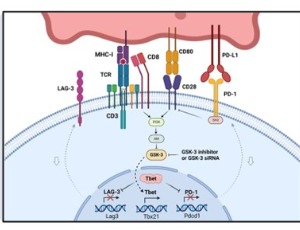
Cancer and microenvironment: who and where is the enemy? old problem, new regards
Kambiz Afrasiabi
Living cell could be considered the most sophisticated anti-entropy machinery born in the heart of the strong and ferocious pro-entropy environment of the primordial ocean full of boiling and salty water, some thirty-eight hundred million years ago on this planet. Evolution of prokaryotes with a simple cell membrane to eukaryotes and later on multi-cellular organisms, has necessitated the birth and evolution of a protective microenvironment, which could shield and secure evolution of living organisms by its sophisticated anti-entropy components
J Cancer Biol, 2022, Volume Volume 3, Issue Issue 1, p12-15 | DOI: 10.46439/cancerbiology.3.037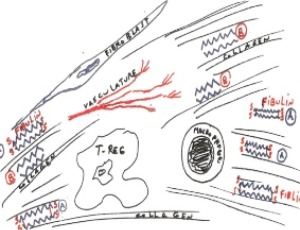
Preoperative radiation boost in early-stage breast cancer: a focused report
Firas Eladoumikdachi, Bruce Haffty
In breast-conserving therapy, whole-breast radiotherapy (WBRT) followed by a postoperative tumor bed boost is the standard approach for patients at increased risk of local recurrence [1–6]. However, postoperative boost delivery is limited by challenges in tumor bed delineation after surgery, particularly in the setting of oncoplastic reconstruction, and may prolong overall locoregional treatment time. Historical concerns regarding wound healing have limited the use of preoperative breast radiotherapy, though these concerns largely stem from experiences with whole-breast irradiation rather than limited-volume boost dosing [7,8].
J Cancer Biol, 2026, Volume Volume 7, Issue Issue 1, p15-18 | DOI: 10.46439/cancerbiology.7.084
Efficiency metrics in cancer care
Matt Hickey, Adele Youngs, Eduardo Pisani
Inefficient care is a leading factor in poorer outcomes for patients. According to the OECD, one-fifth (20%) of healthcare expenditure either does not improve people’s health or could worsen their outcomes [1]. In addition, the World Health Organisation estimates that 40% of health spending is wasted through inefficiency.
J Cancer Biol, 2022, Volume Volume 3, Issue Issue 1, p16-18 | DOI: 10.46439/cancerbiology.3.038
The Oncogenic Role of ADAR1-Mediated RNA Editing in Thyroid Cancer
Julia Ramírez-Moya, Pilar Santisteban
A-to-I RNA modifications performed by the adenosine deaminase acting on RNA (ADAR) protein family are gaining traction as important mechanisms in cancer biology. A-to-I RNA editing changes adenosine to inosine on double stranded RNA, which co-transcriptionally alters transcript sequence and structure. A number of microRNA (miRNA) precursors are known to be edited by the ADARs, which alters the expression and/or function of the mature miRNA.
J Cancer Biol, 2020, Volume Volume 1, Issue Issue 1, p16-19 | DOI: 10.46439/cancerbiology.1.004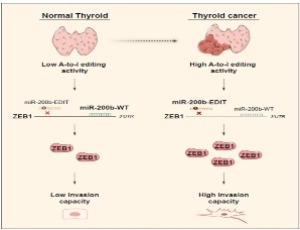
Biological basis for concurrent chemoradiation in head and neck cancer: Timing matters
Allen M. Chen, M.D., M.B.A.
Given that the addition of cytotoxic chemotherapy to radiation has been shown to improve overall survival and local-regional control for select patients with head and neck cancer, concurrent chemoradiation constitutes a mainstay of treatment. In pre-clinical studies, platinum-based chemotherapy, when delivered concurrently with radiation, is intended to serve as a radio-sensitizer, potentiating the cytotoxic effects of radiation on proliferating squamous cell carcinoma cells. From a biological basis, it is thus advisable that patients begin chemotherapy
J Cancer Biol, 2024, Volume Volume 5, Issue Issue 1, p17-20 | DOI: 10.46439/cancerbiology.5.059
PARP inhibitors in HRD BRCAness breast cancer patients
Inês Eiriz, Marta Vaz Batista, Ana Rita Freitas, Telma Martins, Catarina Machado, Sofia Braga, Catarina Santos
Breast Cancer patients with germline Breast Cancer Gene (BRCA) mutations have a greater advantage from targeted therapy with Poly (ADP-ribose) Polymerase (PARP) inhibitors (PARPi). The identification of patients with homologous recombination deficiency (HRD) tumors that may be sensitive to PARPi besides those with germline BRCA1/2 mutations remains an important point of research.
J Cancer Biol, 2023, Volume Volume 4, Issue Issue 1, p17-28 | DOI: 10.46439/cancerbiology.4.049
Beyond a binary RTK-RAS biomarker: context-aware precision oncology in early-onset colorectal cancer
Enrique Velazquez-Villarreal
Early-onset colorectal cancer (EOCRC) is increasing worldwide and represents a biologically and clinically heterogeneous disease that requires precision approaches extending beyond conventional single-gene biomarkers. Recent analyses of receptor tyrosine kinase-RAS (RTK-RAS) pathway alterations demonstrate that their clinical significance is strongly dependent on age at diagnosis, ancestry, and treatment exposure. In particular, RTK-RAS alterations have been associated with unfavorable survival in untreated early-onset non-Hispanic White colorectal cancer, while an opposite association has been observed in FOLFOX-treated late-onset disease.
J Cancer Biol, 2026, Volume Volume 7, Issue Issue 1, p19-25 | DOI: 10.46439/cancerbiology.7.085
Tumor biomarkers from discovery to clinical practice
Malik Suleman Naseem
A tumor marker is a chemical that acts as a tumor indication. Tumor biomarkers are undefined in origin, but they indicate the existence of a certain tumor. The detection of a specific tumor is aided by an increase or decrease in the concentration of marker concentrations. Gene expression arrays, proteomic technologies, and high-throughput sequencing are some of the current methods for detecting cancer.
J Cancer Biol, 2022, Volume Volume 3, Issue Issue 1, p19-32 | DOI: 10.46439/cancerbiology.3.039
Machine learning for precision medicine in cancer: Transforming drug discovery and treatment
Sachin Kumar Deshmukh
Machine learning (ML) is a branch of artificial intelligence that uses an algorithm to process the data, retrieve valuable information, learn from it, find a pattern, and make predictions. Manual data analyses suffer from several disadvantages including it is time-consuming and subject to error.
J Cancer Biol, 2020, Volume Volume 1, Issue Issue 1, p20-22 | DOI: 10.46439/cancerbiology.1.005
Navigating alopecia: Practical guidelines for minimizing hair loss in CyberKnife stereotactic radiosurgery for calvarial or scalp tumors
David J. Park, MD, PhD, Steven D. Chang, MD, MBA
Hair loss, or alopecia, is a common yet underdiscussed side effect of stereotactic radiosurgery (SRS), particularly affecting patients undergoing treatment for calvarial or scalp tumors [1]. The psychological and emotional impacts of alopecia are profound, affecting patients' quality of life and, in some cases, influencing treatment decisions [2-4]. Despite its significance, there has been a lack of specific guidelines aimed at preventing this adverse effect. The study led by the team from Stanford University's Department of Neurosurgery
J Cancer Biol, 2024, Volume Volume 5, Issue Issue 1, p21-22 | DOI: 10.46439/cancerbiology.5.060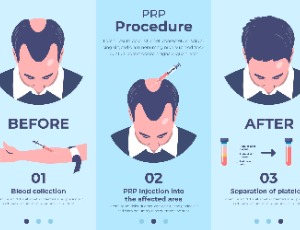
Cryoablation is a safe alternative to surgery for low-risk breast cancer
Khan SY, Chu V, Melkus MW, Layeequr Rahman R
Cryoablation of breast cancer offers an alternative to surgery for women who are not ideal surgical candidates. It is a minimally invasive procedure that has already had success in fibroadenoma treatment with good tumor reduction and cosmesis. The findings of cryoablation as treatment for early-stage, low-risk breast cancer has been previously discussed in the recently published article ‘Cryoablation: A promising non-operative therapy for low-risk breast cancer’.
J Cancer Biol, 2021, Volume Volume 2, Issue Issue 1, p22-24 | DOI: 10.46439/cancerbiology.2.018
C/EBPα-mediated epigenetic control of liver disorders in young children
Ruhi Gulati, Nikolai Timchenko
Despite a young age and limited exposure to nutritional challenges and other diseases, young children can develop liver disorders such as fatty liver, fibrosis, and liver cancer. The preliminary stages of these disorders are silent, and the patients come to the clinic at a late stage. During studies of pediatric liver cancer hepatoblastoma (HBL), our group found that a portion of our fresh HBL biobank is characterized by the development of Non-Alcoholic Fatty Liver Disease (NAFLD) including fatty liver, fibrosis, and increased proliferation. Our studies and other
J Cancer Biol, 2024, Volume Volume 5, Issue Issue 1, p23-27 | DOI: 10.46439/cancerbiology.5.061
Cancer stem cells as a biomarker – A mini review
Urja Joshi, Dhara Jani, Linz-Buoy George, Hyacinth Highland
Cancer stem cells (CSCs) also known as tumor stem cells (TSCs), are pivotal in cancer development and progression. They can be identified through specific markers and surface proteins (e.g., CD44, CD133) that differ from those on non-CSC tumor cells. As well high CSC levels often correlate with poor prognosis, aggressive disease, and resistance to conventional therapies. CSCs are more resistant to standard treatments like chemotherapy and radiation, leading to relapse and metastasis.
J Cancer Biol, 2025, Volume Volume 6, Issue Issue 1, p23-33 | DOI: 10.46439/cancerbiology.6.071
The rising tide of pancreatic adenocarcinoma: A review of risk factors, diagnostic challenges, and treatment updates
Ethan A. Burns, Maen Abdelrahim
Pancreatic ductal adenocarcinoma (PAC) is an aggressive malignancy that is frequently locally invasive or widely metastatic at the time of diagnosis. As such, morbidity and mortality remain extremely high. Despite growing advances in surgical technique and medical management, the incidence and mortality rate are expected to increase over the next two decades.
J Cancer Biol, 2020, Volume Volume 1, Issue Issue 2, p23-37 | DOI: 10.46439/cancerbiology.1.006
COVID-19 in patients with and without cancer: Examining differences in patient characteristics and outcomes
Nihal E. Mohamed, Emma KT. Benn, Varuna Astha, Qainat N. Shah, Yasmine Gharib, Holden E. Kata, Heather Honore-Goltz, Zachary Dovey, Natasha Kyprianou, Ashutosh K. Tewari
This study examines differences between patients with and without cancer in patient demographic and clinical characteristics and COVID-19 mortality and discusses the implications of these differences in relation to existing cancer disparities and COVID-19 vulnerabilities. Data was collected as a part of a retrospective study on a cohort of COVID-19 positive patients across Mount Sinai Health System from March 28, 2020 to April 26, 2020. Descriptive, comparative, and regression analyses were applied to examine differences between patients with and without cancer in demographic and clinical characteristics and COVID-19 mortality and whether cancer status predicts COVID-19 mortality controlling for these covariates using SAS 9.4. Results showed that, of 4641 patients who tested positive for COVID-19, 5.1% (N=236) had cancer.
J Cancer Biol, 2021, Volume Volume 2, Issue Issue 1, p25-32 | DOI: 10.46439/cancerbiology.2.019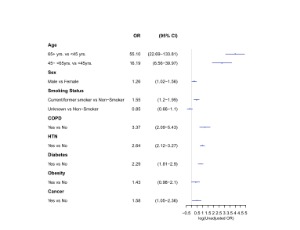
Toward a new approach to treating tumors: Inducing apoptosis by combining chemotherapy and mild hyperthermia
James R. Paulson
Our studies on the effects of mild hyperthermia (≤ 42°C) on prometaphase-arrested and interphase HeLa cells are reviewed. Mild heat treatment rapidly induces apoptosis in H-HeLa cells that have been arrested in prometaphase with spindle poisons. This is shown by the appearance of morphological changes characteristic of apoptosis, the activation of Caspase 3, and the fact that the changes are blocked by caspase inhibitors such as zVAD-fmk. The same treatment does not cause apoptosis in interphase cells, or in prometaphase-arrested cells of other HeLa strains such as HeLa S3, MKF, and WML. However, prometaphase-arrested cultures of those other HeLa strains can be made sensitive to mild heat treatment by simultaneous exposure to compounds such as navitoclax (ABT-263) which inhibit Bcl-2 family anti-apoptotic proteins. Interphase cells can be made sensitive to 42°C treatment by combining ABT-263 or ABT-199 with S63845, a potent and selective inhibitor of MCL-1.
J Cancer Biol, 2024, Volume Volume 5, Issue Issue 2, p28-37 | DOI: 10.46439/cancerbiology.5.062
From nitrogen mustard to nano-machines: A journey through cancer therapeutics evolution
Kambiz Afrasiabi, M.D.
The history of cancer therapeutics since its birth some eighty years ago has gone through a tortuous path guided by understanding of the mechanism of carcinogenesis and notorious for many excitements and frustrations. The birth of nitrogen mustard in 1940’s through a serendipitous observation during the Second World War, was guided by the perception that a poison that kills normal cells, could also kill cancer cells. The excitement generated by shrinkage of tumor mass was soon followed by disappointment and frustration caused by tumor regrowth.
J Cancer Biol, 2023, Volume Volume 4, Issue Issue 1, p29-34 | DOI: 10.46439/cancerbiology.4.050
Changing the landscape of non-small cell lung cancer disparities
Joab O. Odera, Muthana Al Abo, Steven R. Patierno, Jeffrey M. Clarke, Jennifer A. Freedman
In the United States, lung and bronchus cancers are the second most common types of cancer and are responsible for the largest number of deaths from cancer, with African Americans suffering disproportionately from lung and bronchus cancers. This disparity likely results from a complex interplay among social, psycho-social, lifestyle, environmental, health system, and biological determinants of health.
J Cancer Biol, 2021, Volume Volume 2, Issue Issue 2, p33-38 | DOI: 10.46439/cancerbiology.2.020
Regulation of ETS family of transcription factors in cancer
Aiindrila Dhara, Sourav Ghosh, Nirmalya Sen
E-26 Transformation Specific (ETS) transcription factors are known to cause various cancers and their aberrant expression has been related to various oncogenic processes like metastasis and angiogenesis. Currently very few drugs exist which can directly target oncogenic transcription factor and none of them are approved for human use. To design ETS transcription factor targeting small molecules, an understanding of their regulation in cancers is essential. In this review, we have discussed upstream transcriptional regulations of ETS factors that includes epigenetic
J Cancer Biol, 2022, Volume Volume 3, Issue Issue 1, p33-49 | DOI: 10.46439/cancerbiology.3.040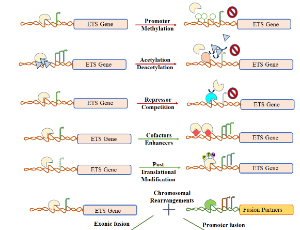
Nuclear mTORC2 and its emerging role in gene regulation
Moinuddin, Narayan Kumar, Smrati Bhadauria
The mechanistic target of rapamycin (mTOR), a critical regulator of cell growth, metabolism, survival, and actin-cytoskeletal organization, is primarily recognized for its cytoplasmic functions. However, emerging evidence suggests that the mTOR and its constituent partners also localize to the nucleus, where it may play distinct roles in gene expression regulation, chromatin remodeling, and transcriptional control. This review highlights the evolving understanding of nmTORC2 (nuclear mTORC2), with a particular focus on its composition, functional implications, and relevance in cancer biology.
J Cancer Biol, 2025, Volume Volume 6, Issue Issue 1, p34-46 | DOI: 10.46439/cancerbiology.6.072
Proteomic research and protein biochemistry for targeted therapy of anti-cancer drugs
Hui-Heng Lin
Despite the advancements of medical care and pharmaceutical technologies, unfortunately in recent decades, epidemiological surveys have identified that the population of cancer patients are indeed increasing in multiple regions. So, cancers go on threatening human health and life to a larger and larger extent. A series of special anti-cancer drugs are known as “targeted therapies”. Those anti-cancer drugs work through blocking bioactivities of specific onco-gene or onco-protein so as to prevent the progressions of cancers.
J Cancer Biol, 2023, Volume Volume 4, Issue Issue 1, p35-37 | DOI: 10.46439/cancerbiology.4.051
Tumor evolution: The road map to future cancer therapeutics
Kambiz Afrasiabi, M.D.
The common denominator among all is ignoring the most fundamental pillar on which the forward move of tumor mass is based, namely tumor evolution along the thermodynamics arrow of time. Tumor evolution in certain ways is akin to evolution of life on this planet, which has acquired higher levels of sophistication and diversity. Neoplastic transformation and its evolutionary path could be divided into three main phases: initiation, promotion, and progression. Our future cancer therapeutics is expected to intercept with this evolutionary path. This necessitates a deep understanding of the dynamics of this path, and the necessary means including AI, and Nano–delivery to execute this task.
J Cancer Biol, 2023, Volume Volume 4, Issue Issue 2, p38-39 | DOI: 10.46439/cancerbiology.4.052
Sézary's syndrome: Review of the clinical, histomorphological and diagnostic aspects of a rare cutaneous lymphoma
Miguel Augusto Martins Pereira, Lucas Natã L. Silva
Sézary's Syndrome consists of a rare type of non-Hodgkin cutaneous T-cell lymphoma (CTCL), being a very aggressive leukemic variant of CTCL. Given its rarity and its ability to mimic other more common diseases, this neoplasm represents a major diagnostic challenge for both clinicians and pathologists.
J Cancer Biol, 2020, Volume Volume 1, Issue Issue 2, p38-42 | DOI: 10.46439/cancerbiology.1.007
Precision medicine and immunotherapy advances transforming colorectal cancer treatment
Tamer A. Addissouky, Ibrahim El Tantawy El Sayed, Majeed M. A. Ali, Mahmood Hasen Shuhata Alubiady, Yuliang Wang
New stool DNA panels and blood-based assays offer non-invasive options for early CRC detection, though require further validation. Immuno- and targeted therapies matched to tumor molecular profiles have transformed metastatic CRC treatment. Pembrolizumab elicits durable responses in mismatch repair-deficient tumors, and anti-EGFR antibodies cetuximab/panitumumab improve outcomes for left-sided RAS/RAF wild-type CRC. Larotrectinib and entrectinib are highly active in NTRK fusion-positive CRC. Research focusing on new immunotherapies, leveraging the microbiome, and combining multi-omics data to enable precision medicine holds promise. Disparities across groups remain a challenge.
J Cancer Biol, 2024, Volume Volume 5, Issue Issue 2, p38-43 | DOI: 10.46439/cancerbiology.5.063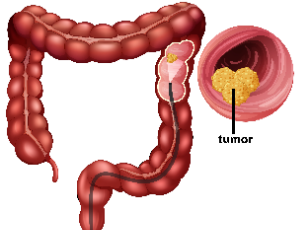
Renoprotective effect of direct renin inhibitor (aliskiren) during partial ureteral obstruction
Ahmed Elkashef
Partial ureteral obstruction (PUO) is a major clinical problem in the daily urologic practice that is treatable and often reversible. Renin-angiotensin system (RAS) is implicated in the pathophysiology of PUO as angiotensin II induces alterations in renal hemodynamics, apoptosis, inflammation and fibrosis. Angiotensin-converting enzyme (ACE) inhibitors and angiotensin receptor blockers (ARB) have been clinically used to recover the unfavorable functional and histological changes after relief of PUO.
J Cancer Biol, 2021, Volume Volume 2, Issue Issue 2, p39-41 | DOI: 10.46439/cancerbiology.2.021
Tumor microenvironment: The crossroad of normal state and cancer
Kambiz Afrasiabi, M.D.
The identification of comprising cells and composition of microenvironment, which is the result of many years of work in many research labs across the globe, has made it possible to see just the tip of iceberg. The dynamic and fluid nature of microenvironment, with its tumor agonistic and antagonistic cells at one end, and its intricate communication with tumor mass, is leaving us with many unanswered questions, both conceptually and functionally. Tumor associated macrophages, tumor associated fibroblasts, B and T regulatory cells, angiogenesis factors and many other cellular, and humeral factors, comprise elements of tumor microenvironment eco-system. Tissue resident macrophages, originating from bone marrow are among the tumor antagonists. However, the most puzzling of all are tissue resident macrophages that originate from the yolk sac of embryo and dispersed in all organs.
J Cancer Biol, 2023, Volume Volume 4, Issue Issue 2, p40-41 | DOI: 10.46439/cancerbiology.4.054
Challenges in the humanized mouse model for cancer: A commentary
Eric Ramirez-Salazar, Meenhard Herlyn, Rajasekharan Somasundaram
The complexity of the tumor microenvironment has been a challenge for understanding the mechanisms of therapy resistance. The development of improved animal models that closely mimic human disease is key for understanding and treating diseases. Recently, a new humanized mouse model has been developed that enables the study of human immune cells in tumor host-cell interactions
J Cancer Biol, 2021, Volume Volume 2, Issue Issue 2, p42-43 | DOI: 10.46439/cancerbiology.2.022
Investigation of CBL-b, c-CBL expressions in colorectal cancer patients and their relationship with clinicopathological characteristics
Reyhaneh Yarmohammadi, Minoo Pargol, Zahra Mozooni, Leyla Bahadorizadeh, Sara Minaeian, Shadi Tajvidi
Colorectal cancer (CRC) is the most common gastrointestinal cancer and a major cause of cancer-related mortality worldwide. Molecular indicators of pathogenic factors that regulate CRC, which are known as oncogenes, are desirable for response to treatment and improvement of CRC patient management. Several risk factors play a role in the development of this disease, which can occur genetically, familial, or sporadically. CRC tumorigenesis is stimulated by the proto-oncogene β-catenin (wnt/β-catenin). Casitas B-lineage lymphoma (c-Cbl) inhibits CRC tumor growth through an unknown mechanism that affects nuclear β-catenin. The current objective of this study is to evaluate the expression levels of Cbl-b and c-Cbl genes to determine if their transcripts can be used as suitable diagnostic indicators. Additionally, we aim to investigate the correlation between clinicopathological information of CRC patients and the levels of Cbl-b and c-Cbl.
J Cancer Biol, 2023, Volume Volume 4, Issue Issue 2, p42-48 | DOI: 10.46439/cancerbiology.4.054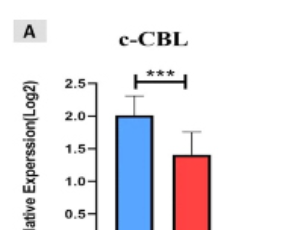
Advances in the investigation of the Epstein Barr Virus (EBV) in Colombia during the last 20 years
Daniela Arturo-Terranova
Epstein Barr Virus (EBV) belongs to the family Herperviridae, subfamily Gammaherpesvirinae, genus Lymphocriptovirus [1]. It is one of the most common human viruses as most people get infected with EBV at some point in their lives. EBV spreads most commonly through bodily fluids, primarily saliva. Although viral DNA has been detected in breast milk and genital secretions [2], the evidence for sexual transmission is extremely limited [3].
J Cancer Biol, 2020, Volume Volume 1, Issue Issue 2, p43-47 | DOI: 10.46439/cancerbiology.1.008
Fertility treatments for men with hypogonadotropic hypogonadism
Guy Morris, David J. Cahill
The diagnosis of azoospermia is a devasting one for men – and it represents the obliteration of so many unspoken hopes and expectations. Most causes of azoospermia are not amenable to treatment but those due to hypogonadotropic hypogonadism can respond to gonadotropin therapy. This can be a lengthy and expensive treatment, but it delivers an opportunity to men to restore, albeit temporarily, their production of sperm. Encouragingly, treatment is associated with good success rates, even outside of specialist clinics.
J Cancer Biol, 2021, Volume Volume 2, Issue Issue 2, p44-50 | DOI: 10.46439/cancerbiology.2.023
Targeting the PRMT1-cGAS-STING signaling pathway to enhance the anti-tumor therapeutic efficacy
Daoyuan Huang, Abdol-Hossein Rezaeian, Jingchao Wang, Yihang Qi, Hong Chen, Hiroyuki Inuzuka, Wenyi Wei
Activating innate immune signaling in tumor cells to enhance anti-tumor immunity and increase T cell-mediated killing is the core objective of tumor immunotherapy. PRMT1, one of the most crucial PRMTs, plays a critical role in tumor progression and innate immunity. Recent research revealed that PRMT1 can inhibit the enzymatic activity of cGAS in part through PRMT1-mediated Arg methylation, thereby suppressing the anti-tumor immune response of cells. As such, inhibiting or knocking down PRMT1 can synergistically enhance the efficacy of anti-PD-1 immunotherapy by activating the cGAS-STING signaling pathway. Here, we provide a comprehensive description of the two key signaling components, PRMT1 and cGAS, in the PRMT1-cGAS-STING signaling pathway for therapeutic intervention to augment anti-tumor immunity. By understanding the specific physiological functions and regulatory mechanisms of PRMT1.
J Cancer Biol, 2024, Volume Volume 5, Issue Issue 2, p44-60 | DOI: 10.46439/cancerbiology.5.064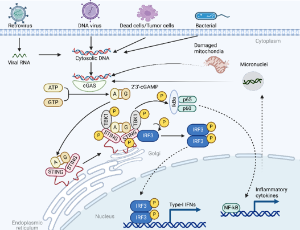
Effectiveness of comprehensive nursing intervention on alleviating postoperative fatigue and anxiety in patients with oral cancer
Sukanta Nath, Khemchand Falwaria, Shiromani Debbarma, Matrujyoti Pattnaik, Ankita Debnath
Postoperative functional impairments are common in patients with oral cancer following surgery. Furthermore, these patients frequently experience fatigue and anxiety, which are strongly linked to a lower quality of life (QOL). The goal of our study was to investigate the effectiveness of comprehensive nursing intervention on alleviating postoperative fatigue and anxiety in patients with oral cancer.
J Cancer Biol, 2025, Volume Volume 6, Issue Issue 1, p47-54 | DOI: 10.46439/cancerbiology.6.073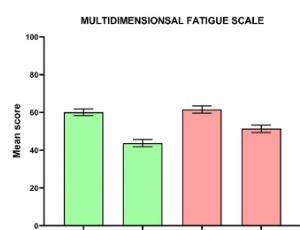
The role of exercise and physical activity in osteosarcoma for patients and survivors
Miriam B. Garcia, Keri Schadler
Exercise has been found to improve function, mitigate disability, enhance the anticancer immune system response, and improve quality of life for patients with osteosarcoma and its survivors. Of late, exercise has additionally been implemented as an adjuvant to standard therapies. These products of exercise, along with the benefits of physical activity in pre- and postoperative rehabilitation, were summarized in the recently published book chapter Exercise and Physical Activity in Patients with Osteosarcoma and Survivors.
J Cancer Biol, 2020, Volume Volume 1, Issue Issue 2, p48-52 | DOI: 10.46439/cancerbiology.1.009
Turn up the MIC(A/B): Amplifying stress-ligand recognition to target iPSC derived immune cell therapies against tumors and diseased cell states
John Goulding, Alejandro J. Garcia, Martin P. Hosking, Peter Szabo, Bahram Valamehr
Cancer is a multifaceted disease that is overwhelming in the breadth and scope of its genetic diversity, tissue pathology, and response to therapy. In recent years, the development of novel chimeric antigen receptor (CAR) containing cell-based therapies has provided significant clinical benefit to patients with certain hematological malignancies. The overall response rates (ORR) of Food and Drug Administration (FDA) approved autologous CD19 CAR T cell products for the treatment of refractory and relapsed B cell lymphomas have reached approximately 80% in defined patient populations, with durable remissions of greater than several years. Regrettably, the deployment of these novel cell-based therapies against solid tumor indications has garnered much less enthusiasm due to disappointing clinical success. The intrinsic adaptability of solid tumors makes them particularly elusive for effective targeted treatment, in part due to their extensive cellular heterogeneity and antigen diversity, their capacity to evade immune responses through antigen escape, and their ability to establish immune suppressive microenvironments. Identifying and selecting appropriate tumor specific antigens that distinguish tumor cells from healthy tissue remains arguably one of the most essential requirements to develop efficacious solid tumor targeting cell-based therapies.
J Cancer Biol, 2023, Volume Volume 4, Issue Issue 2, p49-53 | DOI: 10.46439/cancerbiology.4.055
Spatial entropyomics: The path to future cancer therapeutics
Kambiz Afrasiabi, M.D.
The hallmark of neoplastic transformation is a significant increase in master regulator complex network entropy of cancer cell. This happens as a result of breakdown of the fine interplay of the second law of thermodynamics with the living cell. The methodologies that have been employed towards elucidation of spatial genomics and polyomics of tumor mass, could be applied towards the generation of spatial master
J Cancer Biol, 2022, Volume Volume 3, Issue Issue 2, p50-54 | DOI: 10.46439/cancerbiology.3.041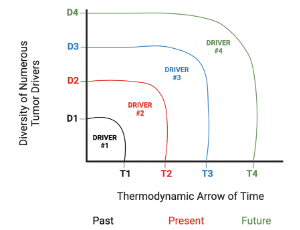
Chromatin dynamics: Nucleosome occupancy and sensitivity as determinants of gene expression and cell fate
Jane Benoit, Mahdi Khadem Sheikhbahaei, Jonathan Dennis
The nucleosome, consisting of ~150bp of DNA wrapped around a core histone octamer, is a regulator of nuclear events that contributes to gene expression and cell fate. Nucleosome organization at promoters and their associated remodeling events are important regulators of access to the genome. Occupancy alone, however, is not the only nucleosomal characteristic that plays a role in genome regulation. Nucleosomes at the transcription start sites (TSSs) of genes show differential sensitivity to micrococcal nuclease (MNase) and this differential sensitivity is linked to transcription and regulatory factor binding events.
J Cancer Biol, 2021, Volume Volume 2, Issue Issue 2, p51-55 | DOI: 10.46439/cancerbiology.2.024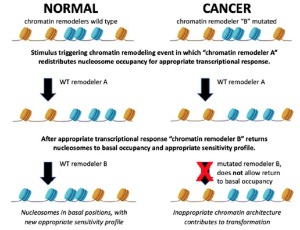
Plasma oncology - Physical plasma as innovative tumor therapy
Matthias B. Stope
In medical diagnostics, complex physical techniques are state of the art and everyday clinical practice would be unthinkable without them. But also, in the field of therapeutic interventions there are several physical procedures. For example, ionizing radiation is used in oncology and non-ionizing radiation in dermatological (UV light) and photodynamic therapies (laser). Similarly, electrosurgical and laser procedures are well established in surgery.
J Cancer Biol, 2020, Volume Volume 1, Issue Issue 2, p53-56 | DOI: 10.46439/cancerbiology.1.010
Targeting m6A in cancer – new prospective
Grossmann L.D, Moshitch-Moshkovitz S
The field of mRNA modifications has rapidly developed over the last years, outlining a new realm of gene expression regulation that appears to play a major role in health and disease states including cancer. Considering the information regarding chemical modifications of DNA and proteins, decades of research proved beyond any doubt that chemical modifications affect chromatin structure as well as enzymatic activity.
J Cancer Biol, 2025, Volume Volume 6, Issue Issue 1, p55-63 | DOI: 10.46439/cancerbiology.6.074
The role of certain neurotransmitters in the emergence and progression of malignant tumors, and the potential of using neurotransmitter antagonists to block the carcinogenic effect of the tumor stroma
Viktor Shtilbans
Within the last ten years, there has been a growing body of data on the potential of neurotransmitter blockers as promising components of comprehensive cancer treatment. Neurotransmitters play an important role in the intercellular communication of the various tumor cells: malignant epithelial cells, myofibroblasts, tumor-associated macrophages, stromal cells, and endothelial cells of the tumor vasculature. In particular, they are responsible for the cells’ resistance to chemotherapy.
J Cancer Biol, 2022, Volume Volume 3, Issue Issue 2, p55-74 | DOI: 10.46439/cancerbiology.3.042
Co-infection, re-infection and genetic evolution of SARS-CoV-2: Implications for the COVID-19 pandemic control
Wagner Gouvêa dos Santos
The identification of new mutations in SARS-CoV-2 and their roles in the viral fitness towards evolution and survival to face the selective pressure imposed by the human host immune response have become the target of great attention recently. As result, concerns related to the emergence of novel variants with more transmissibility and pathogenic potential have led many countries to apply more restrictive measures to avoid increase in the number of infections and collapse of healthcare systems.
J Cancer Biol, 2021, Volume Volume 2, Issue Issue 3, p56-61 | DOI: 10.46439/cancerbiology.2.025
DKK2 mediated immunosuppressive pathway and angiogenesis for colon cancer progression
Zhengxi Chen, Qian Xiao
Available targeted therapies for colorectal cancer (CRC) are limited. Immunotherapy offers new options for cancer treatment, but most of CRC are refractory to current immune checkpoint blockade, which indicates the possible presence of yet uncharacterized immune-suppressive mechanisms. Herein we report that high levels of Dickkopf-related protein 2 (DKK2) are expressed in human CRC tumors, and the DKK2 blockade caused stronger activation of tumor-infiltrating CD8+ T cells in ex vivo culture. A correlation of high DKK2 expression
J Cancer Biol, 2020, Volume Volume 1, Issue Issue 3, p57-60 | DOI: 10.46439/cancerbiology.1.011
Digital oncology, the dawn of a new era turning the clock back on tumor mass
Kambiz Afrasiabi, M.D.
Success in any field, especially in cancer medicine, is based on embracing evolution in understanding other scientific fields [4] and its application to the forward move in cancer therapeutics. As such, we have gone through discovery of a diverse group of therapeutics, targeting different sub compartments of growth and proliferation pathways [5] and taking advantage of their synergistic efficacy, in different combinations [6]. Dissection of immune regulatory pathways [7] and their interaction with cancer cell has led to the generation of modern immune therapeutic agents. Single-cell sequencing technology [8] has paved the way for the development of spatial omics [9], which has opened the way on deeper understanding of tumor evolutionary path [10]. This would give us the opportunity to design a new generation of cancer therapeutics [11] intercepting with the forward evolutionary path of tumor mass.
J Cancer Biol, 2024, Volume Volume 5, Issue Issue 2, p61-64 | DOI: 10.46439/cancerbiology.5.065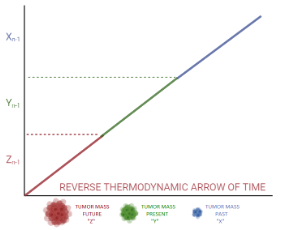
Reflex ordered testing for molecular biomarkers in lung adenocarcinoma: An update
Debbie R. Walley, Jessica S. Thomas
Molecular biomarker testing is essential to the work up of metastatic and advanced non-small cell lung carcinoma. Despite molecular testing guidelines proposed by the National Comprehensive Cancer Network, Association for Molecular Pathology, and many others, multiple reports continue to indicate that lung cancer patients are inadequately tested for key molecular biomarkers. Within our hospital system, reflex ordered testing of a panel of molecular biomarkers in all newly diagnosed lung adenocarcinomas was approved and implemented in 2017.
J Cancer Biol, 2020, Volume Volume 1, Issue Issue 3, p61-65 | DOI: 10.46439/cancerbiology.1.012
Entropy and cancer: The Future of cancer therapeutics
Kambiz Afrasiabi
Evolution of our thinking and design of cancer therapeutics has gone through a tortuous path in the last eighty or so years, since the first patient was treated with a chemical agent. Introduction of nitrogen mustard in the treatment of cancer in 1940’s was based on a serendipitous finding and observation during the second world war.
J Cancer Biol, 2021, Volume Volume 2, Issue Issue 3, p62-67 | DOI: 10.46439/cancerbiology.2.026
Oncogenic specificity in nevus and melanoma formation
Konrad Kaminiow, Stephen M Ostrowski, David E Fisher
There is striking clinical, histological, and molecular diversity observed across melanocytic tumors. Activating mutations in BRAF and NRAS are well-established initiators of benign melanocytic nevi and melanoma. However, accumulating evidence reveals that the biological outcome after oncogene activation is dependent on cellular state differences that vary by anatomic site, developmental timing, and cell of origin.
J Cancer Biol, 2025, Volume Volume 6, Issue Issue 1, p64-70 | DOI: 10.46439/cancerbiology.6.075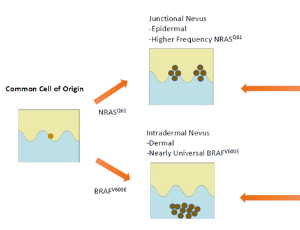
Proton sensing GPCR’s: The missing link to Warburg’s oncogenic legacy?
Jessica Cornell, Samantha Rea, Leif R Neitzel, Charles H. Williams, Charles C. Hong
A century after Otto Warburg's seminal discovery of aerobic glycolysis in cancer cells, a phenomenon dubbed the "Warburg effect", the mechanistic links between this metabolic rewiring and tumorigenesis remain elusive. Warburg postulated that this enhanced glucose fermentation to lactate, even in the presence of oxygen, stemmed from an "irreversible respiratory injury" intrinsic to cancer cells. While oxidative phosphorylation yields higher ATP, the Warburg effect paradoxically persists, suggesting that the excess lactate and acid production are worth the deficit. Since Warburg's discovery, it has been demonstrated that the acidic tumor microenvironment activates a myriad of pro-oncogenic phenotypes ranging from therapeutic resistance to immune escape. Here we propose that proton-sensing G-protein-coupled receptors (GPCRs) act as crucial heirs to Warburg's findings by transducing the acid signal from elevated glycolytic lactate into pro-oncogenic signals.
J Cancer Biol, 2024, Volume Volume 5, Issue Issue 2, p65-75 | DOI: 10.46439/cancerbiology.5.066
Telangiectatic osteosarcoma: A bare bones account
Bruce Rothschild, Jeno Sebes
Examination of the surface of bones (from which soft tissues have been removed) provides a window complementary to that provided by clinical, standard anatomic, laboratory and radiologic studies. That approach, utilized successfully for analysis of other forms of osteosarcoma is applied to the high grade telangiectatic version of medullary osteosarcoma.
J Cancer Biol, 2020, Volume Volume 1, Issue Issue 3, p66-69 | DOI: 10.46439/cancerbiology.1.013
Can electronic-cigarette vaping cause cancer?
Moon-shong Tang, PhD, Yen-Len Tang, MD
The relative safety of E-cigarette (E-cig) has been an emerging topic in the public domain as well as the medical and scientific communities as vaping associated health problems arose. While there were significant amounts of intelligent discussions and opinions on the benefits and deleterious effects of E-cig vaping, there is a lack of solid evidence of the fundamental biochemical and biological effects of E-cig aerosol and nicotine.
J Cancer Biol, 2021, Volume Volume 2, Issue Issue 3, p68-70 | DOI: 10.46439/cancerbiology.2.027
FHIT as a biomarker for early screening of adult T-cell leukemia
Marcia Bellon, Christophe Nicot
Adult T-cell leukemia (ATL) is an incurable leukemia deriving from human T-cell leukemia virus (HTLV-I) infected cells. In our most recent study, we discovered that methylation of the tumor suppressor, fragile histidine triad gene (FHIT), exists in the majority of acute and chronic ATL patients. Methylation was seen in non-tumorigenic cells, in cells with low levels of HTLV-I integrated DNA, in longitudinal samples from HTLV
J Cancer Biol, 2021, Volume Volume 2, Issue Issue 3, p71-74 | DOI: 10.46439/cancerbiology.2.028
Advances in the understanding of health disparities in the United States Hispanic population
Asma Pinkey, Masuma Anzuman, Mrudang Desai, Anna M. Eiring
Health disparities have become a major concern for global public health, disproportionately affecting minority and underserved populations throughout the United States (U.S.). Hispanics make up the fastest-growing minority group in the U.S., and they often experience significant health disparities when it comes to chronic diseases such as cancer, cardiovascular disease, and diabetes. These disparities are likely driven by a confluence of socioeconomic disadvantages, structural inequities, environmental exposures, and cultural barriers.
J Cancer Biol, 2025, Volume Volume 6, Issue Issue 1, p71-75 | DOI: 10.46439/cancerbiology.6.076
Injectable hydrogel of biopolymers as controlled drug-delivery vehicle for melanoma treatment: A commentary
Swapan Maity, Pralay Maiti
Melanoma is a strongly incursive cancer situated in the skin with narrow consecutive therapies. The goal of this article is to reveal some of the latest advances in using hydrogel for cancer especially melanoma therapy. Biocompatible brush biopolymer (linear dextrin) graft with polyurethane is developed for monitoring the hydrophilic and hydrophobic equipoise for regulating the delivery of drug to the target region. Drug incorporated brush copolymers upon embedded in gelating agent (methyl cellulose) develop an injectable hydrogel with potential
J Cancer Biol, 2022, Volume Volume 3, Issue Issue 2, p75-78 | DOI: 10.46439/cancerbiology.3.043
Immuno-oncologic care during COVID-19: Challenges and opportunities for improving clinical care and investigation
Kristen Spencer, Eric A. Singer, Eugenia Girda
Cancer care has been greatly impacted during the COVID-19 pandemic. The number of cases and deaths caused by the COVID-19 pandemic continues to escalate throughout the United States and the world. Worldwide, over 150 million people have been diagnosed with the coronavirus and more than 3 million have died.
J Cancer Biol, 2021, Volume Volume 2, Issue Issue 3, p75-82 | DOI: 10.46439/cancerbiology.2.029
Epigenetic alterations as diagnostic and therapeutic targets in breast cancer
Shahab Uddin
The incidence of breast cancer (BC) worldwide is on the rise due to reasons such as late detection, limited treatment choices for certain BC subtypes, and the development of drug resistance. These factors combined lead to unfavorable clinical results. Recent studies highlight the crucial significance of epigenetic changes in the development of BC, especially in relation to medication resistance and the preservation of stemness traits. Continuing research in the field of epigenetics and breast cancer carcinogenesis is crucial for overcoming present challenges and advancing our knowledge in this area, ultimately resulting in better outcomes for patients.
J Cancer Biol, 2024, Volume Volume 5, Issue Issue 2, p76-78 | DOI: 10.46439/cancerbiology.5.067
Thyroid cancer-tumor immune microenvironment (TIME) spatial transcriptomics reveals novel players
Shafiya Imtiaz Rafiqi, DVM, PhD, Juan Carlos Jaume, MD
Thyroid cancer (TC) encompasses several pathological types, notably papillary thyroid cancer (PTC), follicular thyroid cancer (FTC), medullary thyroid cancer (MTC), and anaplastic thyroid carcinoma (ATC). While PTC accounts for the most common type, ATC, despite representing only 1–2% of all TC cases, is recognized as the most lethal and treatment-resistant endocrine malignancy. Despite sharing a common cellular origin, these two subtypes differ markedly in their clinical trajectories, response to therapy, and immune profiles.
J Cancer Biol, 2025, Volume Volume 6, Issue Issue 2, p76-81 | DOI: 10.46439/cancerbiology.6.077
The intrinsically disordered DPF3 zinc finger protein: a promising new target in cancer therapy
Julien Mignon, Tanguy Leyder, Catherine Michaux
Cancer is a worldwide human disease of great concern, in which proteins are known to be highly involved, especially the group of intrinsically disordered proteins (IDPs). Due to their disorder-associated properties and floppy structure, IDPs remain difficult to target, requiring the design of new anticancer strategies. In that context, the zinc finger protein DPF3 has been identified as an amyloidogenic
J Cancer Biol, 2022, Volume Volume 3, Issue Issue 2, p79-82 | DOI: 10.46439/cancerbiology.3.44
Bridging cancer and neurodegenerative disease: Drug repositioning through cheminformatic, bioinformatic, and systems biomedicine approaches
Hui-Heng Lin, Koken Hirose, Yifan Zhu
Neurodegenerative diseases, such as the Alzheimer and the Parkinson's, currently lack effective pharmacotherapies. They are posing a significant global health threat, and it is urgent to discover and develop effective pharmacotherapies for patients. However, due to pathogenic mechanisms are poorly understood, the interventional drug clinical trials for neurodegenerative diseases have high failure rates.
J Cancer Biol, 2025, Volume Volume 6, Issue Issue 2, p82-90 | DOI: 10.46439/cancerbiology.6.078
- Abstract |
- Full Text |
- Cite |
- Supplementary File
BCG immunotherapy: Celebrating the past and looking to the future
Niyati Lobo, Ashish M. Kamat
2021 marks the centenary of the bacillus Calmette-Guérin (BCG) vaccine. In our review ‘100 Years of BCG Immunotherapy: From Cattle to COVID-19’, we highlight key milestones in the history of BCG, beginning from its discovery by Alfred Calmette and Camille Guérin to its present day use in tuberculosis (TB) prevention and as intravesical therapy for non-muscle-invasive bladder cancer.
J Cancer Biol, 2021, Volume Volume 2, Issue Issue 4, p83-85 | DOI: 10.46439/cancerbiology.2.030
What role do long-noncoding RNAs play in the pathogenesis of endometriosis-associated ovarian carcinoma (EAOC)?
Alison Finall MB, BCh, FRCPath, MSc (Genomic Med)
This literature review examines evidence regarding pathogenesis of endometriosis-associated adenocarcinoma and focuses on the potential role of long, non-coding RNA molecules. The role of long non-coding RNA species is an area of active research and represents an opportunity for novel biomarker Identification to aid early diagnosis, risk stratification and post-operative disease monitoring.
J Cancer Biol, 2022, Volume Volume 3, Issue Issue 2, p83-96 | DOI: 10.46439/cancerbiology.3.045
Breaking malignant nuclei as a non-mitotic mechanism of taxol/paclitaxel
Elizabeth R. Smith, Xiang-Xi Xu
Discovered in a large-scale screening of natural plant chemicals, Taxol/paclitaxel and the taxane family of compounds are surprisingly successful anti-cancer drugs, used in treatment of the majority of solid tumors, and especially suitable for metastatic and recurrent cancer. Paclitaxel is often used in combination with platinum agents and is administrated in a dose dense regimen to treat recurrent cancer.
J Cancer Biol, 2021, Volume Volume 2, Issue Issue 4, p86-93 | DOI: 10.46439/cancerbiology.2.031
Unleashing Wnts: Wnt ligands fuel cancer spread
Kailey P. Caroland, Jonathan B. Trapani, Ethan Lee, Vivian L. Weiss
Wnt signaling has long been implicated in cancer development, but recent studies have revealed new insights into how Wnt ligands themselves drive metastasis. Currently, research identifies Wnt1, Wnt2, Wnt2b, Wnt3, Wnt3a, Wnt4, Wnt5a, Wnt5b, Wnt6, Wnt8a, Wnt9b, Wnt10a, Wnt10b, and Wnt16 as pro-metastatic Wnt ligands, while Wnt7a, Wnt7b, Wnt8b, Wnt9a, and Wnt11 exhibit conflicting pro- and anti-metastatic roles.
J Cancer Biol, 2025, Volume Volume 6, Issue Issue 2, p91-107 | DOI: 10.46439/cancerbiology.6.079
PAK1 and PAK4 as therapeutic targets for Ewing sarcoma: a commentary
Sydney E. Parks, Jason T. Yustein
Ewing sarcoma (ES) is an aggressive pediatric bone tumor that is prone to metastasis. Due to low five-year survival rates and limited therapeutic options for metastatic disease, there is a dire clinical need for improved ES treatments. Targeting p21-activated kinases (PAKs) may be key. PAK1 and PAK4 are associated with aggressive ES and poor patient outcomes, although their molecular mechanisms remain largely uncharacterized in this disease.
J Cancer Biol, 2021, Volume Volume 2, Issue Issue 4, p94-97 | DOI: 10.46439/cancerbiology.2.032
Combination immunotherapy: The new roadmap for the treatment of intrahepatic cholangiocarcinoma
Anna S. Tocheva, Sara E. Young, Daniela Sia
Intrahepatic cholangiocarcinoma (iCCA) is a catastrophic malignancy of the intrahepatic bile ducts and one of the neoplasms with incidence rates that have been rising faster than almost any other cancer. This steady increase combined with the high mortality rates underscore the fact that optimal management of iCCA remains a challenge. While immune checkpoint inhibitors (ICIs) as single agents have elicited discouraging results in patients with iCCA, the combination of chemotherapy plus anti-PD-L1 blockade has recently
J Cancer Biol, 2022, Volume Volume 3, Issue Issue 2, p97-103 | DOI: 10.46439/cancerbiology.3.046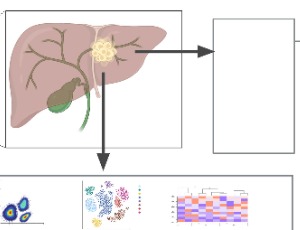
Correlation between marker profiles of tumor tissue and circulating tumor cells in a Grade 3 colonic neuroendocrine carcinoma: Case study and review
Agnes Michalczyk, Abhirami Venugopal, Sonia Yip, Shu Fen Wong, Mustafa Khasraw, M Leigh Ackland
Neuroendocrine neoplasms (NENs) are a heterogeneous group of tumors that occur in many organs. The routinely used IHC markers for NEN diagnosis include chromogranin A (CgA), synaptophysin, Ki67 and CD56. These markers have limitations including a lack of correlation to clinical outcomes and their presence in non-tumor tissue. Identification of additional markers in NEN tissue has the potential to improve clinical outcomes. We generated a detailed tumor profile of tissue from a patient with a grade 3 colonic NEC using phenotypic cancer markers and correlated this with the marker expression of the corresponding patient circulating tumor cells.
J Cancer Biol, 2021, Volume Volume 2, Issue Issue 4, p98-110 | DOI: 10.46439/cancerbiology.2.033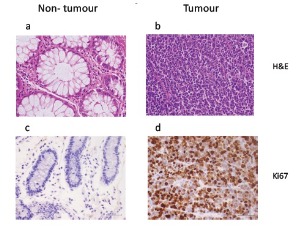
Analysis of mutational signatures in multiple cancer studies: Recent Bayesian tools
Roberta De Vito, Blake Hansen, Isabella N. Grabski, Lorenzo Trippa, Giovanni Parmigiani
Mutational signatures, defined as characteristic patterns of somatic mutations in cancer genomes, shed light on the mutagenic mechanisms and origins of cancer. Mutational signature analysis leverages computational techniques to identify recurring patterns within the spectrum of genetic alterations observed in tumors. Using mutational signature analysis, investigators can identify biological processes responsible for tumorigenesis.
J Cancer Biol, 2025, Volume Volume 6, Issue Issue 2, p108-114 | DOI: 10.46439/cancerbiology.6.080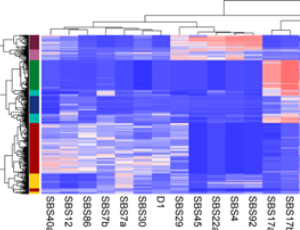
Signaling disruptions in NK cells in patients with cancer
Gulnur K. Zakiryanova, Michael R. Shurin
Dysregulated functioning of the immune system is an important part of carcinogenesis and understanding the mechanisms of immune defects can lead to significant improvements of cancer treatments. We have first evaluated molecular defects in lymphoid cells, including NK and T cells, isolated from healthy donors and cancer patients by assessing expression of key molecular regulators, such as c-Myc, Notch1, Notch2, p-53, Cdk6 and Rb. Our results revealed a reduced expression of the proto-oncogene c-myc and Notch1 signaling in the immune cells in patients with cancer.
J Cancer Biol, 2021, Volume Volume 2, Issue Issue 4, p111-113 | DOI: 10.46439/cancerbiology.2.034
Pyscho-oncological considerations for indigenous populations
Sneha Sethi, Xiangqun Ju, Joanne Hedges, Lisa Jamieson
Cancer is one of the most dreaded diagnosis, with significant impact on the patient, carer and family. The diagnosis can lead to variety of emotions like confusion, anger, despair and fear. In case of Indigenous peoples, the process of sickness, disease and treatment are all closely related to connection to land, country, family and community. This paper evaluates the different responses recorded as a part of a larger Indigenous Australian study, regarding the feelings and emotions one feels when they hear of cancer (“the Big C”) in the community or family.
J Cancer Biol, 2021, Volume Volume 2, Issue Issue 4, p114-120 | DOI: 10.46439/cancerbiology.2.035