Loading


Cell Signaling
ISSN: 2837-8253
Editors Choice Articles
Unlocking the significance of CD226 in cancer
Weili Sun
CD226 is a transmembrane glycoprotein with a well-defined structural organization, which is primarily expressed on natural killer (NK) cells, cytotoxic T cells, and some subsets of B cells [1,2]. Its primary structure consists of an extracellular domain, a transmembrane domain, and a cytoplasmic tail [1]. Each of these domains contributes to the protein's overall function.
Cell Signal, 2024, Volume 2, Issue 1, p1-4 | DOI: 10.46439/signaling.2.021
Insights into early acne pathogenesis: Exploring intercellular dynamics and key dysregulated genes
Min Deng, Kiana Farahani, George W. Agak
Acne vulgaris, the most common skin condition worldwide, affects over 85% of adolescents, with nearly half continuing to experience it into adulthood. The Scarring and post-inflammatory hyperpigmentation associated with acne can profoundly impact mental health and self-esteem, underscoring the importance of early and effective treatment [1].
Cell Signal, 2025, Volume 3, Issue 1, p32-39 | DOI: 10.46439/signaling.3.053
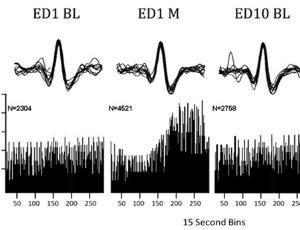
Methylphenidate (Ritalin) affects serotoninsignaling differently in young compared to adults. Concomitant behavioral and neuronal recording from dorsal raphe in freely behaving rats
Elizondo GM, Raymond A, Perez-Vasquez C, Dafny N
Attention deficit hyperactivity disorder (ADHD) is a complex behavioral disorder characterized by hyperactivity, increased impulsivity, and inattention [1-3]. Methylphenidate (MPD) is the most
commonly prescribed psychostimulant for management and treatment of ADHD [3-7].
Do arrestin oligomers have specific functions?
Vsevolod V. Gurevich
Arrestins were discovered as key players in the conserved two-step homologous desensitization of G protein-coupled receptors (GPCRs): they specifically bind active phosphorylated GPCRs, precluding their coupling to cognate G proteins, thereby stopping (“arresting”) G protein-mediated receptor signaling [1].
Cell Signal, 2023, Volume 1, Issue 1, p42-46 | DOI: 10.46439/signaling.1.009
Accelerating metal nanocluster synthesis: A high-throughput approach with machine learning assistance
Li Tang, Shuxin Wang
Metal nanoclusters, consisting of a few to a few hundreds of metal atoms, have been of great scientific interest due to their potential applications in areas like bio-labeling and catalysis [1-9].
Cell Signal, 2024, Volume 2, Issue 1, p108-112 | DOI: 10.46439/signaling.2.040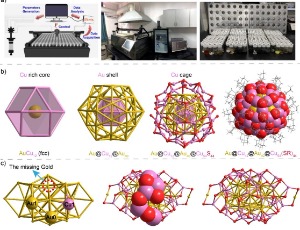
Sample multiplexing in CyTOF: Path to optimize single-cell proteomic profiling
Muharrem Muftuoglu, Michael Andreeff
In biomedical research, achieving single-cell resolution in investigation of cellular systems is of paramount importance. Ongoing research efforts to explore and decode the heterogeneity in cellular phenotype, functionality, genomics, epigenetics, and transcriptomics in biological systems have propelled significant technological advancements through innovative breakthroughs [1-3].
Cell Signal, 2024, Volume 2, Issue 1, p113-119 | DOI: 10.46439/signaling.2.041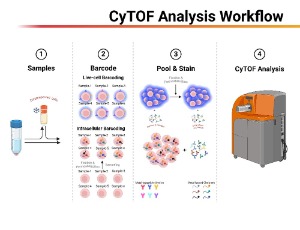
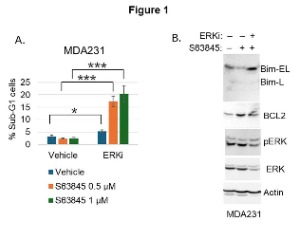
Potential biomarkers for MCL1 inhibitor sensitivity
Lei Duan, Carl G. Maki
Myeloid cell leukemia-1 (MCL1) is an anti-apoptotic member of the B-cell lymphoma 2 (BCL- 2) family and plays a key role in cancer cell survival and resistance to therapy [1,2]. MCL1 is often
overexpressed in cancers such as leukemia, lymphoma, and solid tumors, allowing cancer cells to evade apoptosis and resist conventional treatments.