Loading


Journal of Breast Cancer Research
ISSN: 2769-2418
Latest Articles
Real-world evidence corroborates the clinical trial results for management of HER2-positive metastatic breast cancer with T-DM1: a systematic review
Bivek Shah , Kunal Jain , Oluwasola Lawal , Amit Kishore , Rajinder Chawla
Purpose: Trastuzumab emtansine (T-DM1), an antibody-drug conjugate consisting of the humanized monoclonal antibody trastuzumab covalently linked to the cytotoxic agent DM1, is utilized for the management of human epidermal growth factor receptor-2 (HER2)-positive metastatic breast cancer (mBC), after progression on prior trastuzumab. Its regulatory approval preceded the era before pertuzumab approval.
J Breast Cancer Res, 2026, Volume 6, Issue 1, p1-52 | DOI: 10.46439/breastcancer.6.034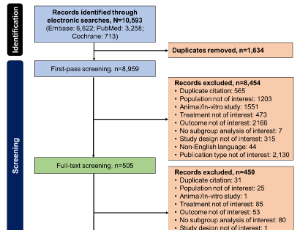
Accuracy of breast MRI for cancer diagnosis: correlation with BI-RADS and biopsy findings
Mustafa S. Alghazzawi , Eman A. Al-Kamil , Mustafa S Yousuf , Thair S. Abdulla , Bakhos Alhaddad
Background: Breast cancer remains a major global health concern, and early detection is essential for improving treatment outcomes. Breast magnetic resonance imaging (MRI), incorporating advanced multiparametric techniques, offers detailed morphological and functional assessment that enhances lesion characterization. Evaluating the diagnostic performance of MRI in comparison with histopathology is important for understanding its clinical utility.
J Breast Cancer Res, 2026, Volume 6, Issue 1, p53-57 | DOI: 10.46439/breastcancer.6.035
High resolution ultrasound and surveillance of the augmented breast
Caroline Glicksman , Sarah Ferenz , Marshall Kadin , Patricia McGuire
Approximately 35 million women worldwide have silicone breast implants. Like all medical devices, breast implants are not lifelong, and all will eventually need to be removed, with or without replacement. In 2019, the U.S. Food and Drug Administration (FDA) updated its guidance on breast implant surveillance to include HRUS screening for silent rupture.
J Breast Cancer Res, 2026, Volume 6, Issue 1, p58-64 | DOI: 10.46439/breastcancer.6.036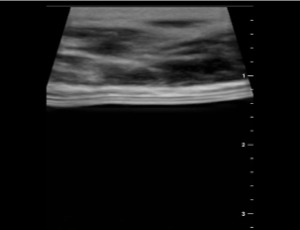
Uncovering genetic variations in HTR2A and miRNAs drivers of breast cancer risk in African American women
Nicole Retland , Karl M. Thompson , Joseph I. Aubee , Victor Apprey , Somiranjan Ghosh , Robert Copeland , Yasmine Kanaan , Yayin Fang , Ali Ramadan , Hassan Brim , Muneer M. Abbas
Triple-negative breast cancer (TNBC) disproportionately affects African American (AA) women, yet the molecular mechanisms remain poorly understood. Emerging evidence suggests that microRNAs (miRNAs) may play a critical role in cancer progression. This study investigated the association of HTR2A genetic variants and miRNA dysregulation in AA women with breast cancer.
J Breast Cancer Res, 2026, Volume 6, Issue 1, p65-83 | DOI: 10.46439/breastcancer.6.037