
Loading
Journal of Breast Cancer Research
ISSN: 2769-2418


Heydari Kartoosh
Director
University of California, USA
How to inhibit breast cancer and breast cancer metastasis with Akt inhibitors: Lessons learned from studies in mice
Kindlins as modulators of breast cancer progression
Journal of Breast Cancer Research is a peer-reviewed open access journal that publishes original articles that identify different aspects of clinical and translational research of breast cancer. It is a comprehensive, multidisciplinary source that incorporates the latest news and developments from the many medical specialties involved in breast cancer treatment to treat the condition in the context of the overall health of an individual. It's dedicated to report information about breast cancer detection, diagnosis, prevention and treatment. The main focus is on the recent scientific advancements in all breast cancer related areas.
Harnessing high-concentration (179 mg) capsaicin patches for chemotherapy-induced peripheral neuropathy: Evidence and implications from the QUCIP study
Chemotherapy remains a cornerstone of modern cancer treatment, yet its neurotoxic side effects can pose significant challenges. Peripheral nerve damage and the resulting pain not only affect patients’ quality of life but also contribute to substantial economic burden.
Histopathological insights and oncological implications in aesthetic breast surgery specimens
Mammaplasty and mastopexy are surgical procedures designed to reshape and reposition the breast tissue. Reduction mammaplasty primarily aims to decrease breast volume and alleviate symptoms such as back pain and postural discomfort, while mastopexy focuses on elevating and reshaping the breast to restore a more youthful contour.
Breast cancer prognostic tests: Taking us one step closer to personalized treatment
Breast cancer is the most common cancer in women worldwide, with the highest mortality rates. While breast tumors can have heterogeneous biology, the mutational burden/genomic alterations, etc, are relatively less when compared to other malignancies like pancreatic cancer or glioblastomas, rendering breast tumors comparatively less aggressive.
Receptor discordances between primary and recurrent breast cancer
Background: Modern treatment of breast cancer depends mainly on the expression of biomarkers such as estrogen receptor (ER), progesterone receptor (PR) and human epidermal growth factor receptor 2 (HER2). However, a change of receptors was not uncommon during the disease progression. Here we aim to evaluate the impact on clinical outcome from the conversion of receptors in primary tumor and recurrent or metastatic lesions.
Unraveling metabolic signatures in breast cancer: Machine learning for improved therapeutic targeting
Background: Breast cancer is one of the leading causes of cancer-related mortality among women worldwide. Despite advancements in treatment, therapeutic resistance remains a major challenge, necessitating novel approaches for more effective interventions.
ER negative PR positive breast cancer: Revisiting a rare and controversial molecular subtype
Estrogen receptor-negative/progesterone receptor-positive (ER-/PR+) breast carcinoma is a rare and controversial subtype that challenges conventional understanding of hormone receptor biology in breast cancer. Traditionally, the expression of progesterone receptors is considered a downstream effect of estrogen receptor activity, making the presence of PR in the absence of ER biologically puzzling.
Knowledge, attitude and practice of breast cancer treatment among health care providers and traditional healers in Tanzania: A crosssectional study
Introduction: Healthcare providers (HCPs) and traditional healers (THs) play a pivotal role in the breast cancer treatment pathway and can impact access to timely and effective healthcare. This study aimed to assess the knowledge, attitudes, and practices regarding breast cancer treatment among HCPs and THs in Northern Tanzania.
A rare BRCA1 alternative missense mutation identified in African American women with breast cancer
Introduction: Hereditary breast cancer is most commonly caused by inherited mutations in the BRCA1 or BRCA2 genes, which significantly increase the risk of breast and ovarian cancers.
How to inhibit breast cancer and breast cancer metastasis with Akt inhibitors: Lessons learned from studies in mice
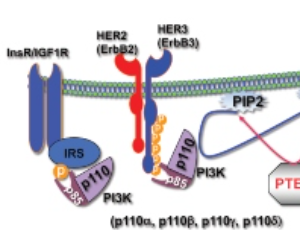
The PI3K/Akt signaling pathway is frequently hyperactivated in different types of breast cancer. In the past two decades, major efforts have been made to develop inhibitors of this pathway to treat cancer patients.
Kindlins as modulators of breast cancer progression
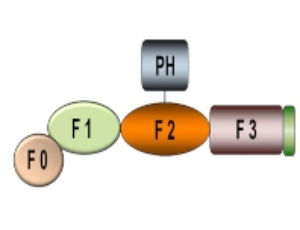
Kindlin-1 (K1, FERMT1), Kindlin-2 (K2, FERMT2), and Kindlin-3 (K3, FERMT3) are the three members of the kindlin family of adapter proteins found in mammals. One or more kindlins are found in most cell types, K1 primarily in epithelial cells, K3 in primarily hematopoietic cells and also endothelial cells, and K2 is very broadly distributed.
How to inhibit breast cancer and breast cancer metastasis with Akt inhibitors: Lessons learned from studies in mice
The PI3K/Akt signaling pathway is frequently hyperactivated in different types of breast cancer. In the past two decades, major efforts have been made to develop inhibitors of this pathway to treat cancer patients.
Kindlins as modulators of breast cancer progression
Kindlin-1 (K1, FERMT1), Kindlin-2 (K2, FERMT2), and Kindlin-3 (K3, FERMT3) are the three members of the kindlin family of adapter proteins found in mammals. One or more kindlins are found in most cell types, K1 primarily in epithelial cells, K3 in primarily hematopoietic cells and also endothelial cells, and K2 is very broadly distributed.