Loading


International Journal of Cardiology and Cardiovascular Diseases
ISSN: 2768-5640
Archive
2026
2025
2024

2023
2022

Recommended Articles
High-resolution 3D fluorescent imaging of intact tissues
Histological analysis of fluorescently labeled tissues has been a critical tool to understand molecular organization in situ. However, assessing molecular structures within large cells and in the context of human organ anatomy has been challenging because it requires penetration of staining reagents and light deep into opaque tissues, while also conforming to the spatial constraints of high-resolution objective lenses.
Therapeutic antibody approach for pulmonary arterial hypertension
GMA301 is a novel antagonistic antibody in clinical development. GMA301 targets human endothelin receptor A (ETA), a proven therapeutic target for pulmonary arterial hypertension (PAH).
Risk of aerosol transmission of SARS-CoV-2 in cardiovascular care
The ongoing global Coronavirus Disease 2019 (COVID19) pandemic has enormous social and economic impact. COVID19 is caused by the Coronavirus Severe Acute Respiratory Syndrome Coronavirus-2 (SARS-CoV-2) and is characterized by a high transmission rate and increased mortality from acute respiratory distress syndrome compared to other viruses.
A twin herbal formula has gained sufficient clinical and laboratory evidences to be accepted as an effective cardio-vascular protective supplement
A two herbs formula has been successfully used as a cardiovascular supplement (tonic) to maintain a healthy vascular endothelial state in four groups of patients presenting with different symptom manifestations: coronary obstruction; hypertension; menopausal cardiovascular instability; and peripheral arterial disease.
Retrospective evaluation of heart failure verification and relation to readmission and all-cause mortality in a community-based cohort
The use of administrative databases to determine predictors for heart failure (HF) readmission, cardiovascular, or all-cause mortality (ACM) requires HF coding that is verifiable. It is assumed that administrative databases have HF verified via coders based on physician documentation and additional criteria.
Mechanisms of troponin release into serum in cardiac injury associated with COVID-19 patients
In the early phases of the pandemic caused by the SARS-CoV-2 virus (severe acute respiratory syndrome coronavirus 2) the emphasis of diagnosis and treatment was on acute respiratory distress syndrome (ARDS).
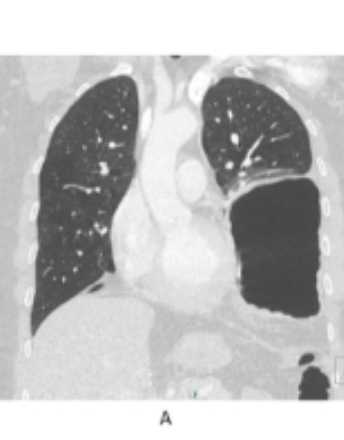
An incarcerated diaphragmatic hernia presenting as acute chest pain and transient left bundle branch block: A case report
Hiatal hernia is not an uncommon condition. Due to inconsistent definition in the literature, the reported prevalence varies widely between 15- 50%. The condition is symptomatic in only 9% of the cases, especially with advancing age [1].
Review of delayed sternal closure after congenital heart surgery
Since introduced for the first time in 1975 by Riahi et al, delayed sternal closure (DSC) remains a commonly utilized strategy in congenital heart surgery (CHS) for patients with anticipated hemodynamic instability based upon complexity of the performed procedure or in patients who exhibit instability during surgery [1].
Predicting functional outcomes among CAD who complete cardiac rehabilitation
With over 17 million deaths per year, cardiovascular disease is the leading cause of mortality worldwide [1]. For heart disease survivors, rehabilitation is recommended to reduce cardiac mortality risk. Phase two cardiac rehabilitation (CR) is a comprehensive outpatient therapy focused heavily on aerobic exercise.
Arrhythmias in pregnancy: Commentary
Cardiovascular disease is a significant contributor to maternal morbidity and mortality worldwide and is the leading cause of adverse pregnancy outcomes in the United States of America, accounting for approximately 25% of maternal deaths from 2008-2017.
The functional importance of the left atrium in patients with coronary slow flow phenomenon
The coronary slow flow phenomenon (CSFP), also known as cardiac syndrome Y, is relatively common in patients scheduled for coronary angiography. The incidence varies from 1% to 5.5% [1-4]. Since its original description by Tambe in 1972 [5], it has garnered intensive attention among interventional cardiologists.
Older women and cardiac rehabilitation: Next steps on the journey
Cardiovascular disease, which includes coronary heart disease, hypertension and stroke, is the predominant cause of morbidity and mortality in older women.Cardiac rehabilitation is pivotal in the secondary prevention of cardiovascular disease, in that it lowers cardiovascular risk and mortality.
Commentary on: Angiographic scoring system for predicting successful percutaneous coronary intervention of uneasy in-stent chronic total occlusion
As the Percutaneous Coronary Intervention (PCI) is prevalent in the recent decades, In-Stent Coronary chronic Total Occlusion (IS-CTO) has become a frequently met lesion in daily PCI procedure. It is estimated IS-CTO PCI accounts for 5-25% of all CTO [1].
Implications of ATPCI study on trimetazidine use in clinical practice
The ATPCI (efficAcy and safety of Trimetazidine in patients with angina pectoris treated by Percutaneous Coronary Intervention) study reported similar primary outcomes between trimetazidine and placebo groups in patients with angina who recently had a percutaneous coronary intervention, but the results of this study reconfirmed the safety of trimetazidine.
ST-segment elevation myocardial infarction and reperfusion therapy in the COVID-19 pandemic
The coronavirus disease 2019 (COVID-19) pandemic has been placing enormous pressure on global healthcare systems. Considerable resource allocation to the treatment of severe acute respiratory syndrome coronavirus 2 (SARS-CoV-2) infection, although fully inevitable, originated remarkable constraints in the access of patients with other diseases – in fact, elective admissions and nonurgent procedures or interventions were mostly canceled or deferred worldwide.
Mechanisms of cardiovascular injuries in SARS-CoV-2 infection
COVID-19 mainly affects the respiratory system; however, cardiovascular complication is not uncommon. Given the high mortality of COVID-19, it is mandatory to understand the pathogenesis and the mechanism of how it attacks the cardiovascular system. Pre-existing cardiovascular diseases have shown higher morbidity and mortality among COVID-19 patients.
Shared care left ventricular assist device site to implant center: the next step in advanced heart failure treatment and an essential part of healthcare worldwide
Heart failure is a growing pandemic affecting approximately 6.2 million people in the US and 15 million people worldwide. Given its prevalence, high morbidity and mortality, and financial burden on our healthcare system, establishing strategies focused on improving therapeutic outcomes and prognosis has become a major priority.
Calcium modification in coronary arteries
Coronary artery calcification is an independent cardiovascular risk factor, influenced by patient demographics and older age [1-3]. Optimal stent expansion is limited by poorly modified calcified coronary lesions resulting in increased risk of in-stent restenosis and stent thrombosis [4].
Fumarate hydratase as a potential target to ameliorate salt sensitive hypertension
Salt sensitive hypertension is a major risk factor for stroke, heart failure, and end-stage renal disease [1]. The development of salt sensitive hypertension is involved in genetic and environmental factors. Excessive dietary salt intake is known as a main risk factor and one of the most important environmental determinants, exacerbates the salt sensitive hypertension by a renal redox metabolism [2,3].
Level of adherence to lifestyle modifications and associated factors among hypertensive patients attending outpatient department at Bishoftu General Hospital, Oromia Region, Ethiopia, 2022
Hypertension is one of the major important risk factors for cardiovascular diseases. It is the largest cause of death worldwide, accounting for 10.8 million deaths per year [1,2]. Globally, 1.39 billion people had hypertension, and one-third of adults have the condition.