Loading


Journal of Biomed Research
ISSN: 2693-5910
Latest Articles
Tsetse fly management and trypanosomiasis control strategies in Ethiopia
Masresha Yehualashet
Animal trypanosomiasis, caused by protozoan parasites of the genus Trypanosoma, is a major constraint to livestock production in sub-Saharan Africa, including Ethiopia. The disease, primarily transmitted by tsetse flies (Glossina spp.), leads to anemia, weight loss, reduced milk and meat production, infertility, and mortality in affected animals, causing significant socio-economic losses.
J Biomed Res, 2026, Volume 7, Issue 1, p1-8 | DOI: 10.46439/biomedres.7.075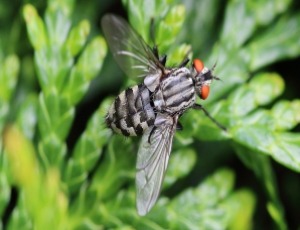
Extracts from Nicotiana glauca as a therapeutic strategy against rhabdomyosarcoma
Natalia Frattini , Lucía Pronsato , Andrea Vasconsuelo , Lorena Milanesi
Rhabdomyosarcoma (RMS) is a type of soft tissue sarcoma, which commonly appears in the head, neck, genitourinary region and extremities. RMS is believed to originate due to alterations in the growth and activity of immature precursor muscle cells, preventing their differentiation into skeletal muscle cells and thus acquiring malignant potential.
J Biomed Res, 2026, Volume 7, Issue 1, p9-11 | DOI: 10.46439/biomedres.7.076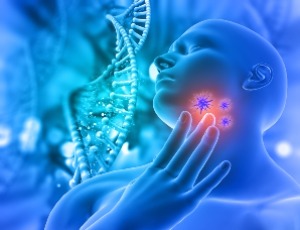
Molecular network regulation and precision therapy frontiers in osteoarthritis: from ferroptosis to autophagy metabolic reprogramming
Yue Zhang , Huichang Zhang , Xiaoying Zhu , Bohong Gao , Kamel Meguellati , Cibo Huang
Osteoarthritis (OA), the most prevalent degenerative joint disease, involves intricate molecular interactions across joint tissues. This review highlights advancements in understanding OA pathogenesis, focusing on the ferroptosis-autophagy axis and the therapeutic potential of Coenzyme Q10 (CoQ10).
J Biomed Res, 2026, Volume 7, Issue 1, p13-16 | DOI: 10.46439/biomedres.7.077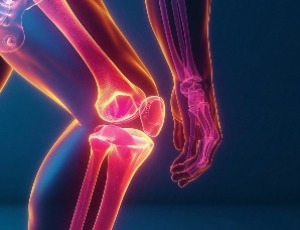
Bovine mastitis: causopathology, diagnosis, treatment, and patho-pathogenesis
Abraham Belete Temesgen , Birhan Anagaw Malede , Yelak Hulugeza Mengstu , Abebech Atinafu Yehulashet , Saleamlak Abebe , Zerihun Getie Wassie , Kefale Ambachew Shiferaw
Mastitis is an inflammatory disease of the bovine mammary gland caused by bacterial, viral, fungal, or parasitic infections, with pathogens primarily entering through the teat canal. Once established, they proliferate and evade host immunity, triggering complex immunological cascades mediated by bacterial toxins, proteins, and immunomodulators, which can result in increased somatic cell counts, vascular permeability, fibrosis, and systemic toxemia in severe cases.
J Biomed Res, 2026, Volume 7, Issue 1, p17-24 | DOI: 10.46439/biomedres.7.078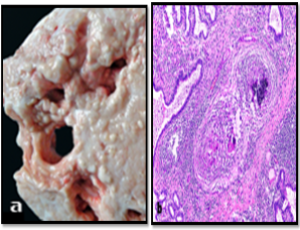
Successful management of odontogenic maxillary sinusitis and Subclinical oroantral communication post dental implant using combined endoscopic and Caldwell Luc approach: a case report
Rubeena Arora , Jitendra Singh , Pankaj Shourie , Vijay Rawat
Objective: To successfully manage odontogenic maxillary sinusitis & subclinical oroantral communication post dental implant, using combined endoscopic & Caldwell Luc approach without removing dental implant.
J Biomed Res, 2026, Volume 7, Issue 1, p25-29 | DOI: 10.46439/biomedres.7.079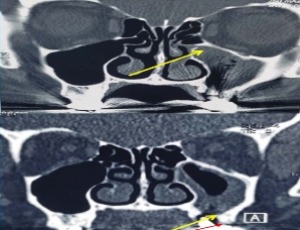
The living bridge - applications of physiological principles in biomedicine
Divya Ramanathan
In the ever-evolving landscape of biomedicine, physiology continues to act as the quiet architect behind many transformative advances. While molecular biology often captures attention and technology impresses with precision, physiology offers the deeper narrative of how life actually unfolds within the human body.
J Biomed Res, 2026, Volume 7, Issue 1, p30-31 | DOI: 10.46439/biomedres.7.080
Reimagining psychiatric classification in the age of Big Data
Sam Goldstein
Mental health diagnosis is undergoing a quiet but decisive transformation, one that reflects both the strengths and the limits of the systems that have guided psychiatry for more than half a century. For decades, structured diagnostic manuals provided a shared language for clinicians, researchers, and institutions, allowing a field once marked by inconsistency to establish a degree of coherence and legitimacy.
J Biomed Res, 2026, Volume 7, Issue 1, p32-35 | DOI: 10.46439/biomedres.7.081
Ultrasound guided caudal block for post operative analgesia in adult perineal surgeries; comparison of Ropivacaine versus Ropivacaine and Dexamethasone - a prospective randomized double blinded study
Bhupendra Kr Singh , Varsha Gupta , Swastika Chakraborty , Neelam Sinha , Amit Kumar
Background and aims: Caudal epidural block is a commonly used technique for perineal surgeries in children. It is also used for chronic pain management in adults. Due to anatomical changes and variation, failure rate of caudal block in adults is very high with conventional landmark guided technique even in experienced hands.
J Biomed Res, 2026, Volume 7, Issue 1, p36-40 | DOI: 10.46439/biomedres.7.082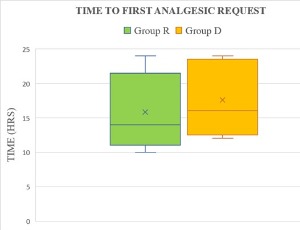
Leukemia stem cells in acute myeloid leukemia: biology, therapeutic resistance, and barriers to durable remission
Giovannino Silvestri
Acute myeloid leukemia (AML) is a biologically heterogeneous hematologic malignancy characterized by uncontrolled proliferation of immature myeloid cells and disruption of normal hematopoiesis. Despite major advances in genomic classification and the development of targeted therapies, long-term survival remains limited for many patients due to relapse and treatment resistance [1–3].
J Biomed Res, 2026, Volume 7, Issue 1, p41-45 | DOI: 10.46439/biomedres.7.083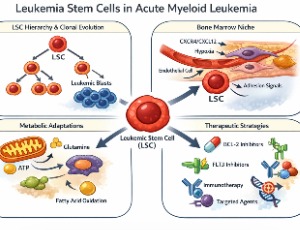
Induction of labor in contemporary obstetrics: Why evidence alone does not change practice?
Ahmed Nooh
Background: Induction of labor (IOL) has become one of the most frequently performed interventions in modern obstetrics. In many healthcare systems, more than one-third of pregnancies now involve labor induction. Despite the availability of extensive clinical evidence and comprehensive national and international guidelines, substantial variation persists in the way induction is implemented across maternity services.
J Biomed Res, 2026, Volume 7, Issue 1, p49-52 | DOI: 10.46439/biomedres.7.085
Mitochondria as redox–epigenetic integrators of adaptive gene expression
Andrea Borges
The evolutionary origin of mitochondria remains a challenging problem, closely linked to the emergence of eukaryotic cells, a process known as eukaryogenesis. Regardless of how primordial mitochondria truly evolved, mitochondria have traditionally been viewed as bioenergetic organelles with primary functions of ATP production and metabolic support. They are classically known as the ‘powerhouse’ of the cells. In aging biology, this view has often been paired with an emphasis on mitochondrial dysfunction and oxidative imbalance and stress.
J Biomed Res, 2026, Volume 7, Issue 1, p46-48 | DOI: 10.46439/biomedres.7.084
Dual assessment of the effectiveness of neem tree (Azadirachta indica A. Juss) both as termite bio-pesticide and fertilizing agent in Eritrea
Michael Weldeslassie , Demaris Tedros , Diliet Berhane , Eyoab Iyasu Gebremeskel
Introduction: Global agriculture faces substantial yield losses and environmental degradation caused by a heavy dependence on synthetic pesticides. As a sustainable alternative, the Neem tree (Azadirachta indica) produces bioactive compounds, such as azadirachtin, which function as natural insecticides. This study evaluates the efficacy of Neem extract sourced from Asmara, Eritrea, as a biological control against termites and organic fertilizer.
J Biomed Res, 2026, Volume 7, Issue 1, p53-59 | DOI: 10.46439/biomedres.7.086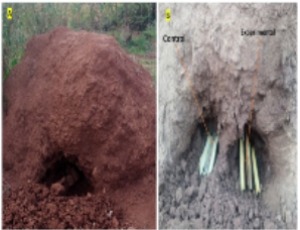
Green exercise as neurological infrastructure: The synergistic role of park-based activity in brain-derived neurotrophic factor (BDNF) regulation and cognitive longevity
Daniel Etim Jacob , Imaobong Daniel Jacob , Koko Sunday Daniel , Enobong Ubong Okoko
Modern urban environments are increasingly disconnected from human evolutionary biology, contributing to a dementia cliff where rising rates of cognitive decline threaten global healthcare sustainability. This commentary argues that Protected Areas (PAs) are not merely recreational spaces but essential neurological infrastructure. Physical exercise triggers the release of the myokine Irisin, which crosses the blood-brain barrier to stimulate Brain-Derived Neurotrophic Factor (BDNF) in the hippocampus.
J Biomed Res, 2026, Volume 7, Issue 1, p60-66 | DOI: 10.46439/biomedres.7.087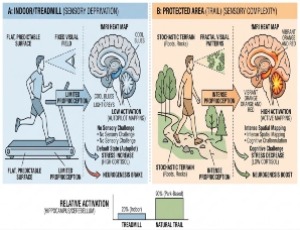
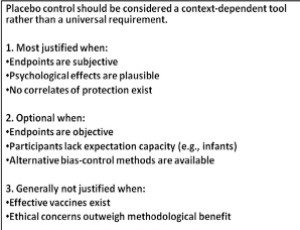
Rethinking placebo control in infant vaccine trials: A mechanistic and methodological perspective
Yongxin Zhang
Placebo-controlled randomized trials are widely regarded as the gold standard in clinical research. However, their routine application in infant vaccine studies has not been systematically re-evaluated
in light of advances in immunology, trial design, and ethical frameworks. Infants lack the cognitive capacity required for classical placebo effects, and primary vaccine endpoints—such as immunogenicity, laboratory-confirmed infection, and severe disease—are inherently objective and biologically determined.