Loading


Cell Signaling
ISSN: 2837-8253
Latest Articles
The lateralized locus coeruleus as a switch between direct and vicarious fear
Jong-Hyun Kim , Hee-sup Shin
Fear can be induced either through direct experience of threat or through observation of others’ distress. This capacity for observational fear provides a survival advantage by enabling vicarious, social learning of potential danger and forms a foundation for empathy. While the anterior cingulate cortex (ACC) has long been implicated in mediating observational fear, the neuromodulatory mechanisms that distinguish it from direct fear have been unclear.
Cell Signal, 2026, Volume 4, Issue 1, p1-5 | DOI: 10.46439/signaling.4.084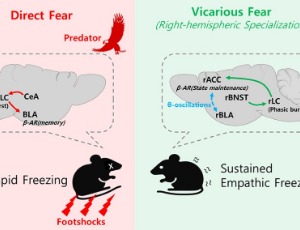
Disrupting oncogenic dialogue: An anti-TDE vaccine to block tumor progression and metastasis
Stephene S. Meena , Geofrey F. Soko , Ray P.S. Han
Tumor-derived exosomes (TDES) play a vital role in facilitating cancer development and dissemination through the trafficking of oncogenic nucleic acids and proteins, such as cytokines and chemokines, which remodel the tumor microenvironment (TME) to facilitate malignant traits. This process ultimately contributes to tumorigenesis, invasion, metastasis, and treatment resistance. Therefore, restricting cancer-induced communication with healthy cells by eliminating TDEs may serve as a promising approach to curb cancer progression and dissemination.
Cell Signal, 2026, Volume 4, Issue 1, p6-9 | DOI: 10.46439/signaling.4.085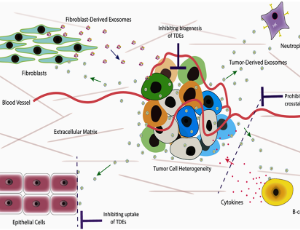
Cellular conversations at the crossroads of health and disease
Anne-Sophie Armand , Patrice X. Petit
The first issue of Cell Signaling in 2025 provides an interdisciplinary overview of cellular communication, covering topics ranging from neuronal and metabolic regulation to immune evolution and regenerative processes. The studies featured in this volume collectively demonstrate how signaling pathways govern the delicate, finely tuned balance between adaptation and dysfunction, and how their manipulation continues to inspire biotechnological and therapeutic innovation.
Cell Signal, 2026, Volume 4, Issue 1, p10-13 | DOI: 10.46439/signaling.4.088
Emerging hallmarks of GEMIN5 in neurodevelopmental disease
Encarnacion Martinez-Salas, PhD , Salvador Abellan , Rosario Francisco-Velilla
GEMIN5 is a modular RNA-binding protein responsible for the recognition of snRNAs through its WD40 domain placed at the N-terminus. A dimerization module at the central region of the protein acts as a hub for protein-protein interaction, and a non-canonical RNA-binding domain is placed towards the C-terminus. Recent studies reported loss of function Gemin5 biallelic variants which develop cerebellar ataxia, hypotonia and neurodevelopmental delay, indicating that GEMIN5 deficiency is detrimental for survival.
Cell Signal, 2026, Volume 4, Issue 1, p21-24 | DOI: 10.46439/signaling.4.090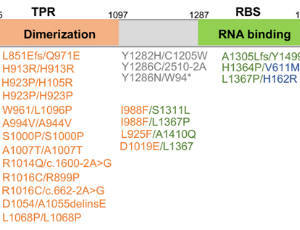
Effects of salt on A2A adenosine receptors expression and function: in vitro approach and pathophysiological perspectives
Farid El Oufir , Aboubacar Sow , Claire Guiol , Marion Marlinge , Aissatou Pethwol Bah , Nathalie Kipson , Christine Criado , Marie-Charlotte Chaptal , Simon Lledo , Julia Dodivers , Julien Fromonot , Jean Ruf , Régis Guieu , Giovanna Mottola
Salt (sodium chloride) and A2A adenosine receptors (A2AR) have both been implicated in blood pressure regulation. While high salt consumption raises blood pressure, A2AR is a key mediator of coronary vasodilation. Although a sodium ion binding pocket has been identified in A2AR, the physiological link between salt and A2AR remains poorly investigated. Hereby, we explored how salt modulates its expression and function in vitro.
Cell Signal, 2026, Volume 4, Issue 1, p14-20 | DOI: 10.46439/signaling.4.089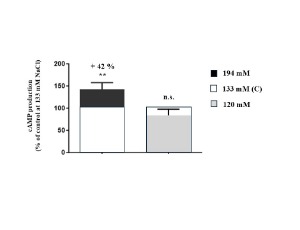
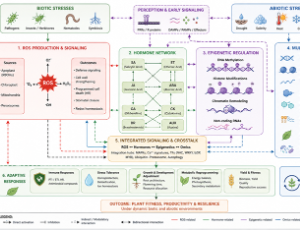
Current advances and future directions in cell signaling: redox communication and emerging therapeutic paradigms
Andrea Albieri-Borges
Cell signaling represents a highly coordinated molecular dialogue that governs cellular behavior and tissue homeostasis. Among its many facets, redox signaling has emerged as a pivotal mechanism, transforming our understanding of reactive oxygen species (ROS) from mere metabolic byproducts to essential messengers [1]. Historically associated with oxidative stress and cellular damage, ROS are now recognized as regulators of physiological processes through reversible oxidation of cysteine residues in proteins.
Cell Signal, 2026, Volume 4, Issue 1, p25-27 | DOI: 10.46439/signaling.4.091
NUB1 protein localization as a prognostic modifier in ER-negative breast cancer
Ka-Liong Tan , Francesco Pezzella
Breast cancer remains a heterogeneous disease in which prognostic stratification, particularly within estrogen receptor (ER)-negative subtypes, remains clinically challenging. While genomic and transcriptomic profiling have advanced risk classification, protein-level regulation and subcellular localization are rarely incorporated into prognostic frameworks. NEDD8 ultimate buster 1 (NUB1) is a proteostasis-associated protein involved in degradation of ubiquitin-like modifiers and regulation of cell-cycle progression.
Cell Signal, 2026, Volume 4, Issue 1, p28-30 | DOI: 10.46439/signaling.4.092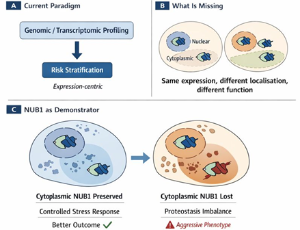
Development of an error-corrected next-generation sequencing method for the quantification of hotspot cancer driver mutations
Kelly L. Harris
Low-frequency somatic mutations accumulate in normal tissues throughout life and contribute to cancer initiation, yet their detection is limited by the sensitivity of conventional sequencing methods. We describe CarcSeq, an error-corrected, targeted next-generation sequencing platform developed to quantify rare cancer driver mutations (CDMs) at variant allele frequencies as low as ~10-4. CarcSeq integrates high-fidelity amplification, unique molecular identifiers, and single-strand consensus sequencing to accurately measure mutant frequency (MF) across a curated panel of sequences encompassing recurrent oncogene and tumor suppressor hotspots.
Cell Signal, 2026, Volume 4, Issue 1, p31-36 | DOI: 10.46439/signaling.4.093
Histamine H1 receptor: A target to treat pancreatic ductal adenocarcinoma (PDAC) by repurposing approved H1-antihistamines?
Paul A. Insel , Cristina Salmerón , Mehrak Javadi-Paydar , Andrew M. Lowy , Peter McCormick
New efficacious and safe therapies are needed for patients with pancreatic ductal adenocarcinoma (PDAC), the most common type of pancreatic cancer. A bioinformatic approach comparing human PDAC tumors to normal pancreas identified differentially expressed G protein-coupled receptors (GPCRs). The GPCRs with higher differential expression in PDAC included the histamine H1 receptor (HRH1), which, on average, is ~20-fold higher expressed in PDAC tumors. HRH1 is readily targetable by approved H1-antihistamines.
Cell Signal, 2026, Volume 4, Issue 1, p37-43 | DOI: 10.46439/signaling.4.094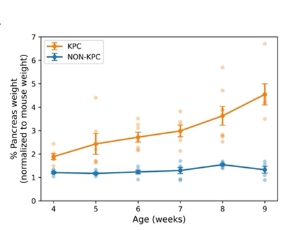
Immune–pigment dynamics in uveal melanoma
Jayanti Jha , Mithalesh Kumar Singh , Lata Singh , Neelam Pushker , Aanchal Kakkar , Rachna Meel , Neiwete Lomi , Sameer Bakhshi , Tapas Chandra Nag , Chanda Panwar , Seema Sen , Seema Kashyap
In uveal melanoma (UM), increased M2 macrophage infiltration and high tumor pigmentation are well-established adverse prognostic features, yet their biological interplay remains underexplored. Emerging evidence indicates that these characteristics frequently coexist in genetically high-risk tumors, particularly those with monosomy 3 and BAP1 loss.
Cell Signal, 2026, Volume 4, Issue 1, p44-46 | DOI: 10.46439/signaling.4.095
VQ motif-containing proteins as signaling integrators in halophytes: regulatory role of LbVQ6 in salt gland development and salinity adaptation
Kushiev Khabibjon , Min Chen , Khojiboboeva Sarvinoz , Ablakulova Nodira , Abdukarimov Abdulaziz , Jumonov Utkir , Sultonova Nigora , Djuraev Tulkin , Tojikulov Abdukhalil , Burkhev Farkhod , Khudaynazarov Mukhriddin , Sodikova Sevara
VQ motif-containing proteins represent a plant-specific class of transcriptional cofactors that integrate developmental and stress-responsive signaling pathways. Recent genome-wide characterization of the VQ gene family in the recretohalophyte L. bicolor identified LbVQ6 as a key regulator of salt gland development and salinity tolerance.
Cell Signal, 2026, Volume 4, Issue 1, p52-62 | DOI: 10.46439/signaling.4.097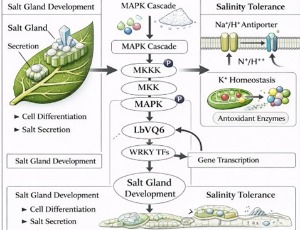
FRα-targeted PDT in ovarian cancer: beyond cytotoxicity, an immunomodulatory therapy
Nadia Hage Ali , Nicolas Stoup , Olivier Morales , Yohan Kerbage , Nadira Delhem
In our recent published study entitled “Targeted Photodynamic Therapy using a Vectorized Photosensitizer coupled to a Folic Acid Analog induces Ovarian Tumor Cell Death and inhibits IL-6-mediated Inflammation”, we explore the effect of a new approach for the treatment of ovarian cancer.
Cell Signal, 2026, Volume 4, Issue 1, p63-69 | DOI: 10.46439/signaling.4.098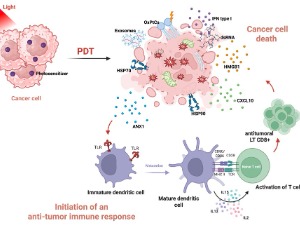
Glimpsing the richness of intercellular dialogue in a snail embryo
Morgan Q Goulding
Snail embryos are textbook exemplars of autonomous cellular decision-making: in their spiral cleavage nearly every early cell division is asymmetric and oriented, creating a stereotyped and elaborate early pattern of fate-restricted cells (Figure 1A) reminiscent of the preformationist ‘homunculus’ fantasy.
Cell Signal, 2026, Volume 4, Issue 1, p47-51 | DOI: 10.46439/signaling.4.096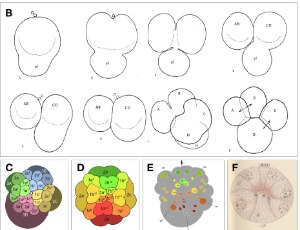
The histone H3.14 acts as a stress-specific transcriptional switch
Rocío Nunez-Vazquez , Bénédicte Desvoyes , Crisanto Gutierrez
To maintain identity and epigenetic balance, a cell relies on robust transcriptional programs regulated both by transcription factors and by dynamic chromatin states. These states, which enable or restrict gene expression and genome function, are shaped by the incorporation of histone variants into nucleosomes and their post-translational modifications.
Cell Signal, 2026, Volume 4, Issue 1, p76-80 | DOI: 10.46439/signaling.4.100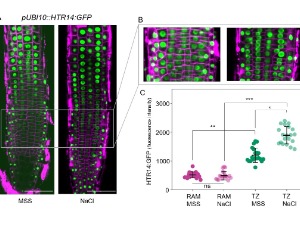
Generation of selenium nano- and micro-materials using abiotic and biotic processes
Michael Wells , Kyle Rugg , Humaira Urmee , Jenna Etheridge , Caitlyn Boudreaux , Natalie Fairley , Mark A. DeCoster
We have previously described the generation of Metal Organic Biohybrids (MOBs) as self-assembling structures that are formed by a combination of a biological component (amino acid), and a metal, such as copper. This MOBs synthesis process has now been distilled to be purely biochemical (a green chemistry process), or abiotic, not requiring the presence of cells.
Cell Signal, 2026, Volume 4, Issue 1, p81-86 | DOI: 10.46439/signaling.4.101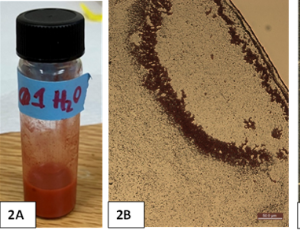
DVL/RTFL small peptides function as integrative hubs for hormonal crosstalk and crop improvement
Chunyan Wang , Changai Wu
The recent identification of DEVIL/ROTUNDIFOLIA-like (SiDVL/RTFL) peptides from foxtail millet (Setaria italica) as negative regulators of auxin signaling has provided important insights into how small peptides orchestrate root development.
Cell Signal, 2026, Volume 4, Issue 1, p87-90 | DOI: 10.46439/signaling.4.102
Burnout in the green world: plant responses to environmental challenges
Raymond Joseph , Luciano Carlos Da Maia , Allisson Ferreira Ramires , Judson Cheristin , Antonio Costa De Oliveira
The methodology employed in this study demonstrates coherence through its integrative approach. Numerous reviews have thoroughly documented the impacts of various environmental stresses on plant physiology and morphology.
Cell Signal, 2026, Volume 4, Issue 1, p70-75 | DOI: 10.46439/signaling.4.099