Loading

Articles Back To Universal Search
Presumed tubercular unilateral occlusive vasculitis mimicking frosted branch angiitis with bilateral serpiginous-like choroiditis: A challenging asymptomatic case
Evelien Janssen, Veerle Van Severen, Vincent M. De La Porte
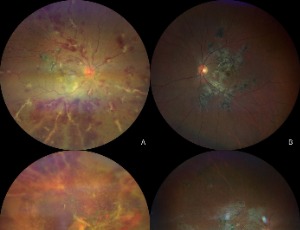
Purpose: To present a challenging case of tubercular uveitis in an asymptomatic patient, featuring unilateral occlusive vasculitis with a frosted branch angiitis phenotype and bilateral serpiginous-like choroiditis.
Methods: Case report with clinical photography.
High resolution ultrasound and surveillance of the augmented breast
Caroline Glicksman, Sarah Ferenz, Marshall Kadin, Patricia McGuire
Approximately 35 million women worldwide have silicone breast implants. Like all medical devices, breast implants are not lifelong, and all will eventually need to be removed, with or without replacement. In 2019, the U.S. Food and Drug Administration (FDA) updated its guidance on breast implant surveillance to include HRUS screening for silent rupture.
J Breast Cancer Res, , p58-64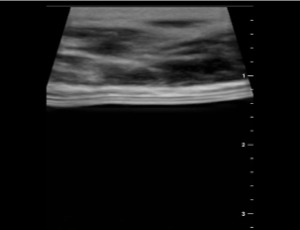
Autoimmune hepatic involvement in systemic sclerosis—systematic review and meta-analysis
Gurleen Kaur, Palak Grover, Bipneet Singh, Rahul Jain, Karanbir Singh, Merritt Bern
Systemic sclerosis (SSc) is a heterogeneous, multisystem autoimmune disease characterized by fibrosis in genetically predisposed individuals. It can involve multiple organ systems, but hepatic involvement is rare.
Arch Autoimmune Dis, , p7-14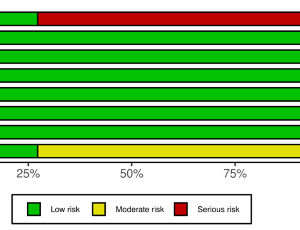
Pancreatic cancer therapy in the era of precision oncology
Sakarie Mustafe Hidig
Pancreatic cancer, predominantly pancreatic ductal adenocarcinoma (PDAC), remains one of the most lethal malignancies, characterized by late diagnosis, aggressive tumor biology, and profound resistance to conventional therapies. Despite advances in surgical techniques and combination chemotherapy regimens such as FOLFIRINOX and gemcitabine-based therapies, survival outcomes remain poor, with five-year survival rates barely exceeding 10%.
Clin Res Oncol, 2026, Volume 2, Issue 1, p12-17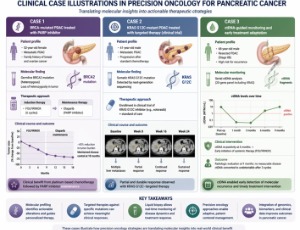
Prehospital anesthesia-led resuscitation during traumatic cardiac arrest following prolonged extrication: a case report
Alexis Martinez, Michael Broussard, Mary Scott-Herring
Background: Traumatic cardiac arrest during prolonged extrication presents significant physiologic challenges. While prehospital care traditionally relies on emergency medical services personnel, select systems deploy hospital-based teams capable of delivering advanced anesthetic and resuscitative interventions at the scene.
J Clin Anesth Intensive Care, , p12-14
Glimpsing the richness of intercellular dialogue in a snail embryo
Morgan Q Goulding
Snail embryos are textbook exemplars of autonomous cellular decision-making: in their spiral cleavage nearly every early cell division is asymmetric and oriented, creating a stereotyped and elaborate early pattern of fate-restricted cells (Figure 1A) reminiscent of the preformationist ‘homunculus’ fantasy.
Cell Signal, 2026, Volume 4, Issue 1, p47-51 | DOI: 10.46439/signaling.4.096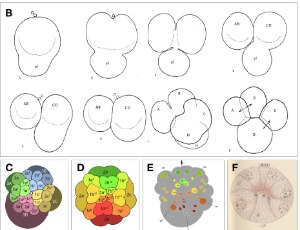
Natural vs. Artificial intelligence, creativity and consciousness in machines
Ivan Sekaj
We compare the selected characteristics and physical parameters of two types of systems capable of intelligent behavior: biological brains and semiconductor computing systems. We analyze their limitations and potential for further development. We then reflect on the creative thinking and capabilities of both approaches and present a cybernetic perspective on brain function and the hypothesis of consciousness in the brain.
Neurosci Chron, , p1-6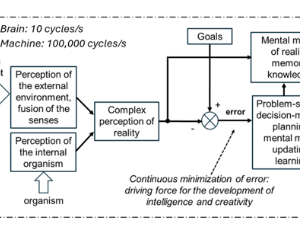
Mitochondria as redox–epigenetic integrators of adaptive gene expression
Andrea Borges
The evolutionary origin of mitochondria remains a challenging problem, closely linked to the emergence of eukaryotic cells, a process known as eukaryogenesis. Regardless of how primordial mitochondria truly evolved, mitochondria have traditionally been viewed as bioenergetic organelles with primary functions of ATP production and metabolic support. They are classically known as the ‘powerhouse’ of the cells. In aging biology, this view has often been paired with an emphasis on mitochondrial dysfunction and oxidative imbalance and stress.
J Biomed Res, , p46-48
Accuracy of breast MRI for cancer diagnosis: correlation with BI-RADS and biopsy findings
Mustafa S. Alghazzawi, Eman A. Al-Kamil, Mustafa S Yousuf, Thair S. Abdulla, Bakhos Alhaddad
Background: Breast cancer remains a major global health concern, and early detection is essential for improving treatment outcomes. Breast magnetic resonance imaging (MRI), incorporating advanced multiparametric techniques, offers detailed morphological and functional assessment that enhances lesion characterization. Evaluating the diagnostic performance of MRI in comparison with histopathology is important for understanding its clinical utility.
J Breast Cancer Res, , p53-57
Outcomes of cardiac myosin inhibitors in hypertrophic cardiomyopathy: an updated brief meta-analysis
Joud Fahed, Asad Ur Rab, Mohammad Hamza, Rehman Afraz, Ali Awad, Abdul Monem Al Riahi, Prakash Upreti
Obstructive hypertrophic cardiomyopathy (HCM) is a common inherited cardiac disease occurring in approximately 1 in 500 adults worldwide, characterized by left ventricular outflow tract (LVOT) obstruction, symptoms of heart failure, and increased risk of sudden cardiac death.
Int J Cardiol Cardiovasc Dis, , p41-44
A commentary on “Gender disparities in coronary artery disease: current state of affairs and future directions”
Darren Nguyen, Tahir Tak
Coronary artery disease (CAD) is a significant health issue in the United States. Siddiqui and colleagues recently published a manuscript titled “Gender disparities in coronary artery disease: a review of factors influencing clinical outcomes,” which excellently describes the current state of affairs and outcomes of CAD between men and women.
Int J Cardiol Cardiovasc Dis, , p37-40
Thalidomide in gastrointestinal angiodysplasia: translating systematic evidence into clinical practice
Junaid Khan, Daniel K Daniels
Gastrointestinal (GI) angiodysplasia represents one of the most vexing diagnostic and therapeutic challenges in clinical gastroenterology. These arteriovenous malformations, predominantly affecting the cecum, right colon, and small bowel, are the most common vascular lesions of the GI tract and account for a disproportionately large share of obscure GI bleeding, particularly in elderly patients.
J Clin Exp Gastroenterol, , p29-31
Comment on “Fibromyalgia, perfectionism, and interpersonal style: Further evidence for a person-centered approach”
Xin Zhang
We read with interest the article by Maes et al. examining perfectionism and other-directed interpersonal styles in women with fibromyalgia (FM) compared with women with rheumatoid arthritis (RA). The study addresses a clinically relevant question and is commendable for attempting to move beyond a purely symptom-centered account of FM. The reported between-group differences are notable, and the topic is timely given the growing interest in person-centered formulations of FM.
J Pain Res Manag, , p28-29
Flavor alterations in cancer treatment: a biomedical gastronomic approach to its complex nature
Graham Ellender
In an earlier publication, gastronomy is proffered, although rarely considered, as having a place in clinical practice of medicine and surgery with an indirect role in conferring interventions to compensate for the adverse effects of smell and taste alterations in cancer chemotherapy on nutrient intake.
Arch Nurs Healthc, , p6-12
Psychoeducational support for family caregivers of people with dementia: implementation strategies for low- and middle-income countries
Edivaldo Lima de Araujo, Marcelo Gonçalves de Brito
Background: Dementia caregiving in low- and middle-income countries (LMICs) occurs in contexts where public care infrastructure is limited, placing the primary responsibility for daily care on family caregivers. Psychoeducational interventions have emerged as a central strategy to strengthen coping, communication skills, and emotional well-being.
Am J Aging Sci Res, , p1-3 | DOI: 10.46439/aging.6.024
Carvedilol and the evolving management of portal hypertension in compensated cirrhosis
Talha Khalid, Muhammad Ali Butt, Raza Malik
Cirrhosis remains a major cause of liver-related mortality worldwide. The transition from compensated to decompensated disease, marked by complications such as ascites, hepatic encephalopathy, or variceal hemorrhage represents a critical shift in prognosis and survival. Clinically significant portal hypertension (CSPH) is the primary driver of this progression, making portal pressure reduction a central therapeutic target.
J Clin Exp Gastroenterol, , p23-28
Computer software engineering and smart agriculture
Abd El-Rahman Abd-El Raouf Ahmed
Software engineering is a science concerned with the design, development, selection, and maintenance of computer applications and systems. It is a discipline that applies engineering principles to software creation and hardware development, ensuring that applications are practical, reliable, and meet the requirements of users in various sectors.
J Eng Softw Appl, , p5-8
Late-stage retinoblastoma in older children: Case-based lessons and a call for early diagnosis in resource-limited settings
Orezime Mayor Atima, Emeka John Dingwoke
Background: Retinoblastoma (RB) typically presents before age five; presentation beyond this age is uncommon but documented. We describe a 9-year-old Nigerian girl who presented with a fungating orbital mass secondary to advanced unilateral RB.
Arch Clin Exp Ophthalmol, , p31-34
FRα-targeted PDT in ovarian cancer: beyond cytotoxicity, an immunomodulatory therapy
Nadia Hage Ali, Nicolas Stoup, Olivier Morales, Yohan Kerbage, Nadira Delhem
In our recent published study entitled “Targeted Photodynamic Therapy using a Vectorized Photosensitizer coupled to a Folic Acid Analog induces Ovarian Tumor Cell Death and inhibits IL-6-mediated Inflammation”, we explore the effect of a new approach for the treatment of ovarian cancer.
Cell Signal, 2026, Volume 4, Issue 1, p63-69 | DOI: 10.46439/signaling.4.098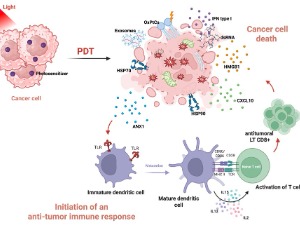
Induction of labor in contemporary obstetrics: Why evidence alone does not change practice?
Ahmed Nooh
Background: Induction of labor (IOL) has become one of the most frequently performed interventions in modern obstetrics. In many healthcare systems, more than one-third of pregnancies now involve labor induction. Despite the availability of extensive clinical evidence and comprehensive national and international guidelines, substantial variation persists in the way induction is implemented across maternity services.
J Biomed Res, , p49-52